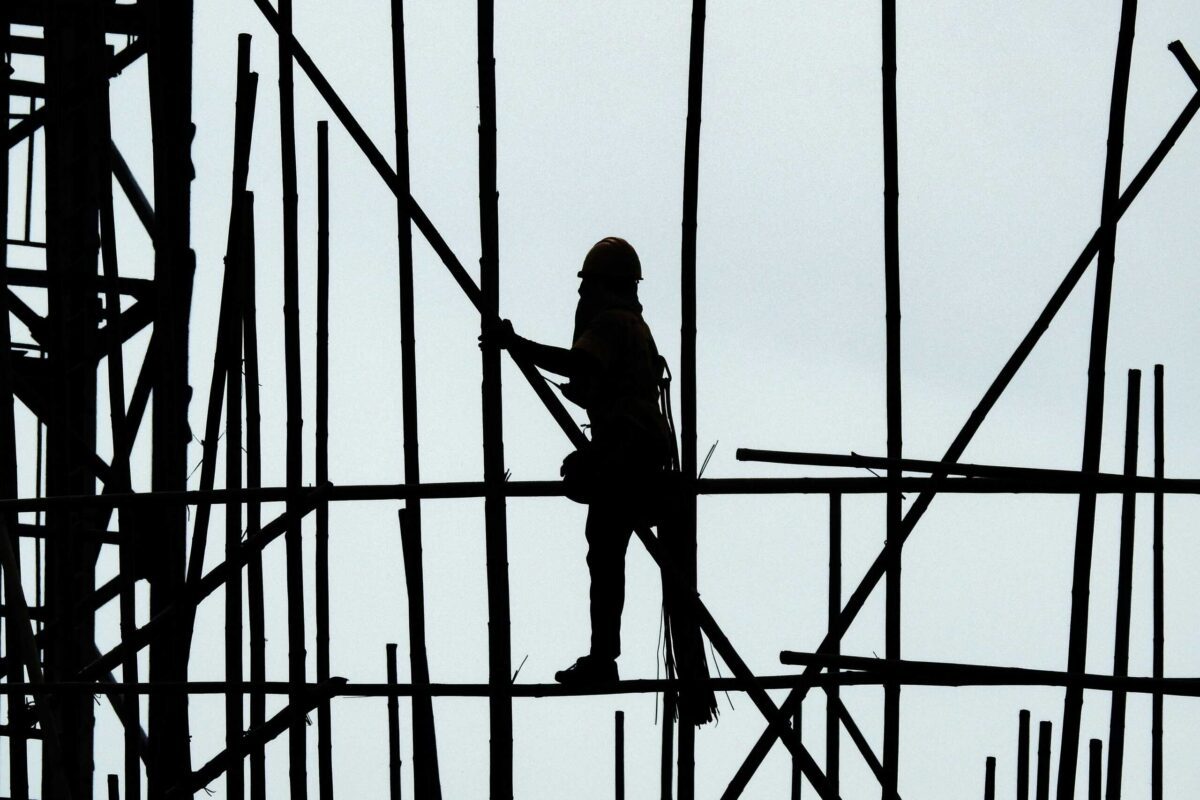
A new survey has found that a shortage of skilled workers is halting long-term recovery efforts following natural disasters in the state. (Thomas Kinto/Unsplash).
A decline in skilled workers is leading to longer recovery and rebuilding processes following natural disasters. Several factors are at play.
In January, the Home Depot Foundation released a survey detailing how 75% of Texans are experiencing challenges in the long-term recovery and rebuilding processes following recent natural disasters (including floods, hurricanes, tornadoes, and winter storms). According to the report, the driving force behind this issue is a lack of skilled laborers in the state. The executive director of the organization, Erin Izen, told Houston Public Media, “We are seeing a clear trend where disaster-impacted communities are experiencing delays in long-term recovery and the rebuilding process, with the lack of available labor being one of the primary issues.”
William Porter, who serves as the director of Team Rubicon, a long-term recovery organization led by veterans, said, “It is difficult at times, both immediately after the disaster and also in certain locations, to get qualified contractors to do the work.” This, coupled with the uncertainty that natural disasters bring in terms of their intensity and aftermath, slows down the rebuilding process. “Each timeline is so unique and has so many different challenges associated with it,” Izen told the outlet. She said that residents who have been impacted by these debilitating events want to recover as soon as possible, and understandably so.
“So that’s what we are trying to do is remove the barriers to be able to rebuild, regardless of the location,” she said. However, wanting to rebuild and actually having enough skilled workers in Texas to handle the breadth of work are two very different things in our current climate.
What’s contributing to the lack of skilled workers?
Several factors are leading to a decline in available laborers, including the Trump administration’s increased enforcement of immigration laws. The CEO of Home Builders Institute, Edward Brady, said that around 25-35% of Texas’s skilled trades workforce is made up of immigrants. Their fears of being deported or detained by ICE have forced some workers to abandon their positions. He said, “This is no judgment on policy. It is the reality of what is happening.” Brady added that people who have entered the country illegally and have been working as skilled laborers should be given the chance to become legal US citizens. “Certainly, any immigration policy and changing policy will affect that workforce,” he told Houston Public Media.
In addition to immigration policies, the Home Depot Foundation report notes that younger generations are less interested in HVAC, construction, plumbing, electrical, and carpentry fields than they are in other industries. Because of this, many of the remaining laborers are older, with the gap widening every year. The organization believes that the current mindset instilled into young Americans that they need to pursue careers requiring college degrees is turning people away from skilled labor fields. Erin Izen said, “There are over 300,000 open jobs today, and that is expected to balloon to 4.1 million openings in the next 10 years as 40% of current construction workers retire by 2031. There’s this generational shift as the older workers retire. There’s not young people coming in behind them to take their place.”
Brady believes that both the state and federal governments should put an equal amount of money into these fields as they do into higher education opportunities. “We need to make sure there’s a proportional investment in alternatives to higher education,” he told Houston Public Media.
This article first appeared on Good Info News Wire and is republished here under a Creative Commons license.
Related: Studies find declining employment opportunities for early-career workers in AI-exposed fields