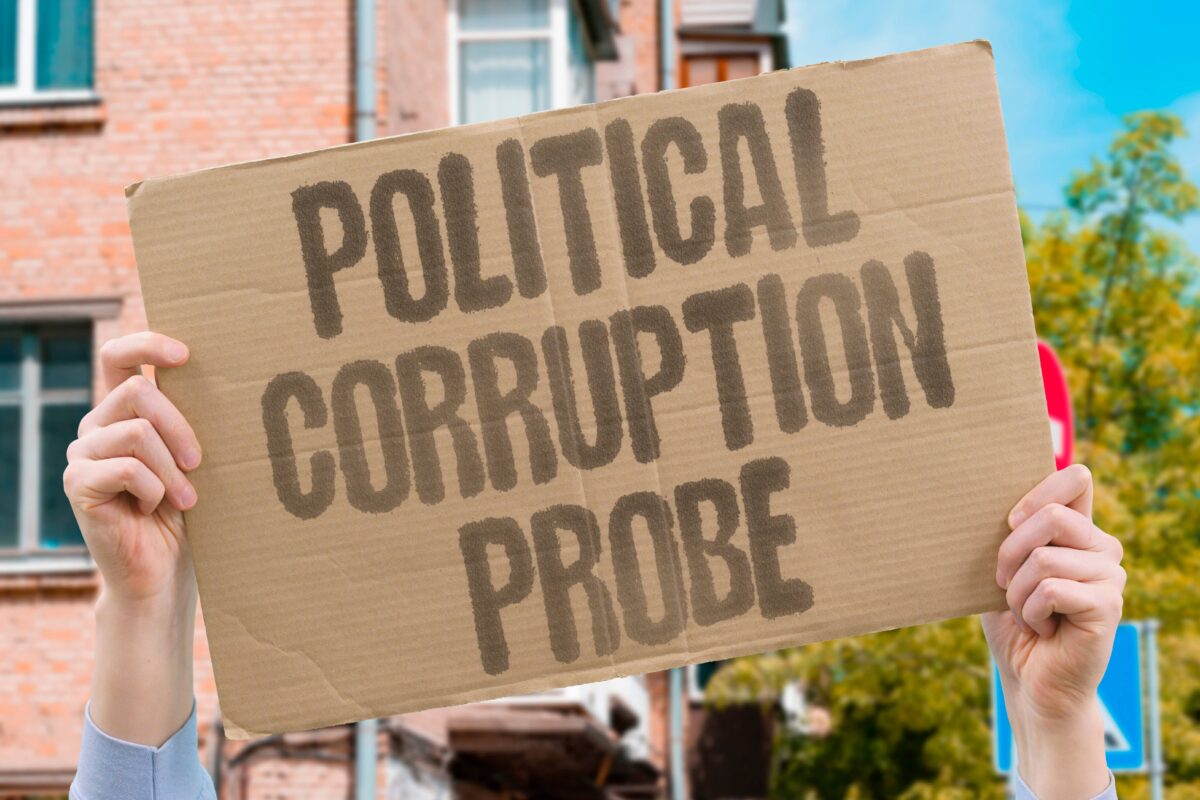
Politicians of both political parties have won re-election, despite being at the center of scandals. (AndriiKoval/Adobe Stock)
Texas lawmakers are no strangers to scandals throughout the decades – and a University of Houston professor says they just don’t have the same impact they used to with the public.
From the abuse of power charges against former Gov. Rick Perry in 2014 to corruption charges against former U.S. Rep. Tom Delay, R-Texas, and impeachment proceedings against Attorney General Ken Paxton, Texans are accustomed to high-profile scandals. But the political landscape has changed over the last 50 years – and they aren’t having such a negative impact on the futures of people in power.
Brandon Rottinghaus, a political-science professor and author of the book “Scandal: Why Politicians Survive Controversy in a Partisan Era,.” said the shift is largely due to social media, and the 24-hour news cycle.
“The zone is completely flooded with information; people are overwhelmed and so, they retreat to their own tribal attitudes,” he said. “They’re going to support the politicians that they like and forgive them. The other is, there’s a correlation between social media use and appetite for scandal.”
He said the shift to stop holding politicians accountable for their actions started in the late 1990s, adding that presidents, governors and members of Congress have all managed to survive scandals with little to no consequences.
Rottinghaus used Paxton’s run for the U.S. Senate as an example of constituents looking the other way. The AG, who’s going through a divorce, has been accused of adultery and remains in office despite allegations of bribery and abuse of power.
Rottinghaus said he sees the changes in public attitude about political scandal as a threat to democratic accountability.
“Scandals are like a canary in a coal mine – where they’re like an indicator of the complications of political life,” he said. “They either suggest wrongdoing in some legal way, or maybe some procedural way.”
To correct the problem, he said, both political parties must agree that bribery, abuse of office and exploitation are grounds for resignation.
Related: Tejano icon Bobby Pulido says Trump ‘duped’ South Texas. Now he’s running for Congress