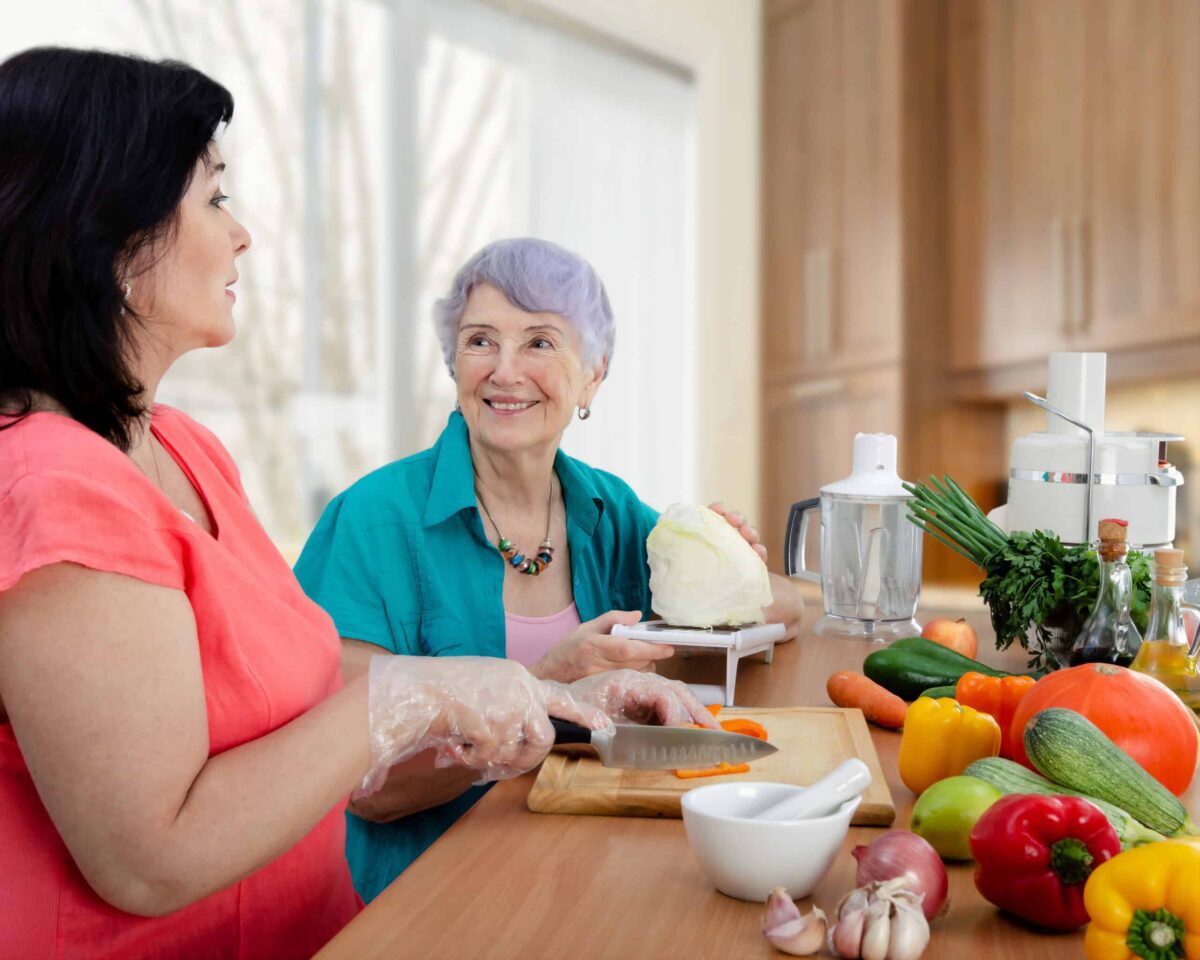
A senior companion program in Dallas is helping combat the loneliness epidemic, one pairing at a time. (verbaska/Shutterstock).
Dallas’s Senior Source has been operating a Senior Companion Program for 20 years. They’re helping combat the growing loneliness epidemic.
The loneliness epidemic has been an ever-present problem over the last few years. A study by the University of Michigan published in 2024 found that older adults are the most vulnerable group suffering from this epidemic, as one in three seniors experience feelings of isolation and loneliness. These issues are difficult to deal with on their own, but as The Senior Source points out, social isolation and loneliness can actually lead to mental health and cognitive decline in older adults, and trigger additional feelings of anxiety and depression. The Dallas-based Senior Source is hoping to combat that through the continued work of its Senior Companion Program, which has been in operation for over 20 years.
CBS News recently spotlighted two local women who are mutually benefitting from this program, Ola and Maria, who were paired together through The Senior Source. Maria assists Ola by taking her food shopping and to her doctor’s appointments, and the two also spend time together talking and watching television. It’s one example of many that showcases how important it is for seniors to have access to this sense of community, particularly for those who wish to stay in their own homes in lieu of moving into a care facility. Essentially, the Senior Companion Program matches seniors with adults 55 years of age and older who volunteer with The Senior Source. Each volunteer is paired with one or two clients. The program is partially funded by AmeriCorps Seniors.
What exactly do these companions do and how can you find more information? We’ve got you covered below.
Everything you need to know about the Senior Companion Program
Volunteers with the Senior Companion Program help their clients with whatever they need, including grocery shopping, meal preparation, appointments and medication, and whatever else the duo agrees upon. A few additional examples include:
- General companionship, such as talking, playing games, reading together, watching movies or television together, and partaking in arts & crafts
- Going for short walks or doing some light exercises at home
- Sharing information the senior may find beneficial, such as veteran and community resources
- Speaking with the senior’s family and other caregivers about the best way to coordinate care
According to The Senior Source, “research shows that strong social ties to friends, family and community helps preserve brain health,” and that’s exactly what they’re doing through their successful program. If you or someone you know would like to learn more, please call 214-525-6124, or email Constance Paris at [email protected].