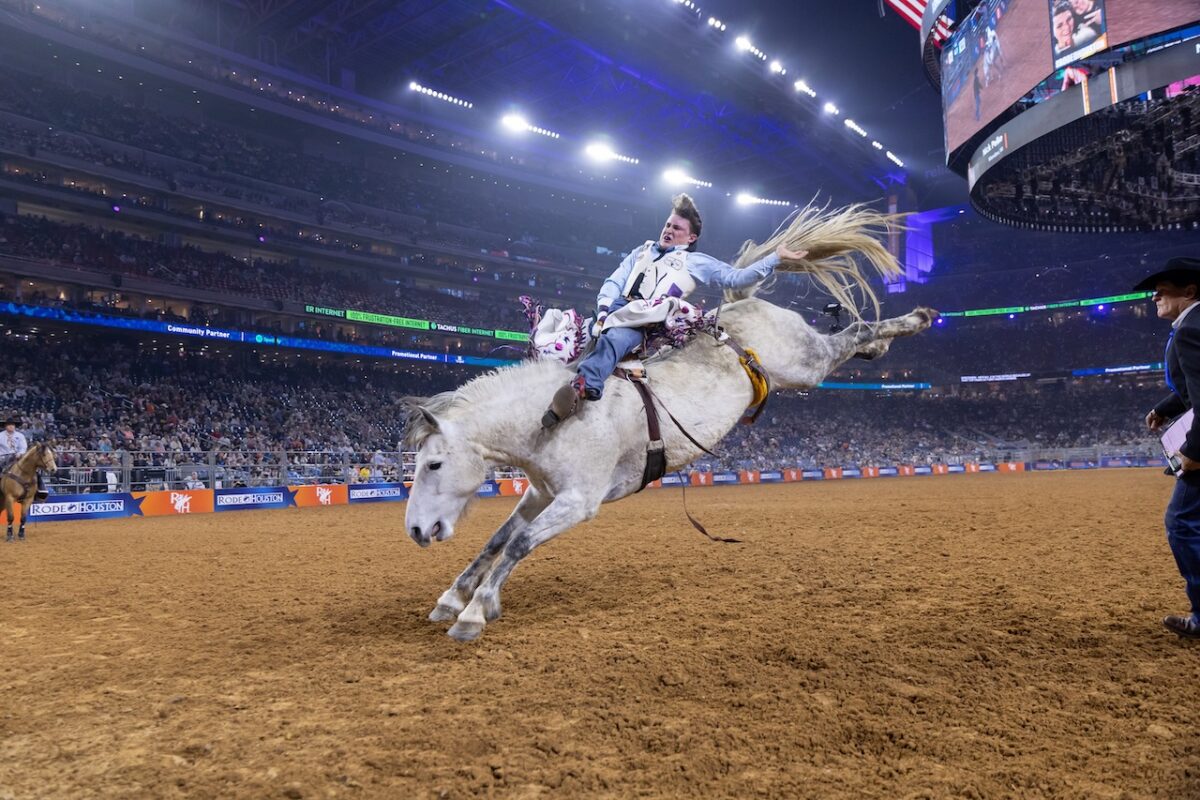
Established in 1931 as the Houston Fat Stock Show and Livestock Exposition, the event was created by seven men who wanted to preserve and bring awareness to the Texas Gulf Coast livestock industry. (Courtesy Houston Livestock Show and Rodeo)
From 2,000 attendees to millions: How the Houston Rodeo became bigger than Texas
The Houston Livestock Show and Rodeo is known for two things: creative food combinations and a genre-diverse concert lineup that ranges from R&B to country.
Of course, there’s the predictable lineup of rodeo events: barrel racing, bull riding, mutton bustin’, and steer wrestling. Plus, don’t forget about the mouth-watering World’s Championship Bar-B-Que Contest and the Downtown Rodeo Parade.
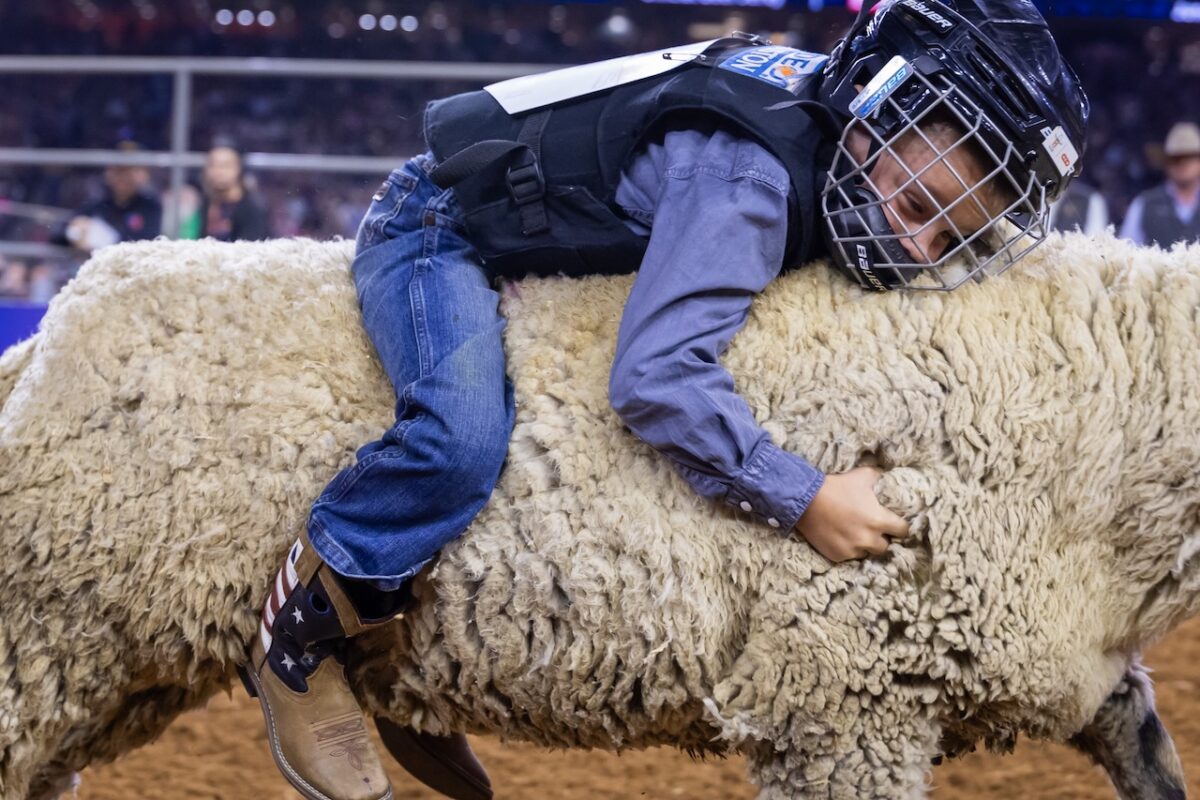
Mutton bustin’ is where a child tried to hold on to a sheep for as long as possible. (Courtesy Houston Livestock Show and Rodeo)
But the history of the nearly century-old event, which brought $326 million in economic impact to Houston in 2024, has its roots in preserving the cattle industry, and being a major entity in education scholarships.
With the 2026 rodeo potentially becoming one of the most attended in history—seven of this year’s concerts sold out within 30 minutes—let’s look back at how a simple rodeo has grown to garner national attention.
Big on beef
Established in 1931 as the Houston Fat Stock Show and Livestock Exposition, the event was created by seven men who wanted to preserve and bring awareness to the Texas Gulf Coast livestock industry. The conversation was led by Port City Stockyards owner James W. Sartwelle, who would go on to become the first president of the show.
The key to growing and preserving the cattle industry, organizers hypothesized, was making Texans aware of how fundamental it was to the state. Thanks to the Great Depression, the cattle industry was facing plunging beef prices and severe droughts, forcing ranchers into bankruptcy. To help revitalize a dying industry, they realized they needed an interactive way for the public to become educated about livestock production, and stay entertained by the skills cowboys used on ranches.
“ Obviously back in the ‘30s the landscape was different across the board, but [preserving the industry] was still top of mind, given agriculture is a fundamental part of our country and Texas,” Houston Rodeo PR and Media Relations Manager Marisa Saenz said. “[The group] thought paying spectators were important to help balance out the cost of the livestock show, and they wanted them to be educated about the livestock production of the potential area.”
The first show premiered in 1932; around 2,000 people attended and enjoyed free barbecue and some impromptu rodeo events. Despite losing about $2,800 the first year, the expo continued and outgrew its original venue in just 30 years.
Inspiring the future
In 1957, Houstonian Ben Dickerson received the rodeo’s first ever scholarship for $2,000. The scholarship covered his entire four years at Texas A&M University, and led him to a career in education for over 40 years. Since then, the rodeo has committed over $660 million to Texas youth.
“ When they hit the 1950s and they realized that they were turning a little bit of a profit, they wanted to start giving back. At the time, it was really encouraging agriculture education to students,” said Jamie Voskamp, Houston Rodeo’s Senior Manager of Scholarship Programs.
For a number of years, the scholarship required that students be agricultural majors, a 4H or FFA student, and attend Texas A&M University.
By the mid-60s, scholarships became open to other colleges and 1985 saw the beginning of majors outside of agriculture being awarded, opening the doors to more students to access education. The biggest impact has been on first-generation students, which made up 49% of 2025 recipients.
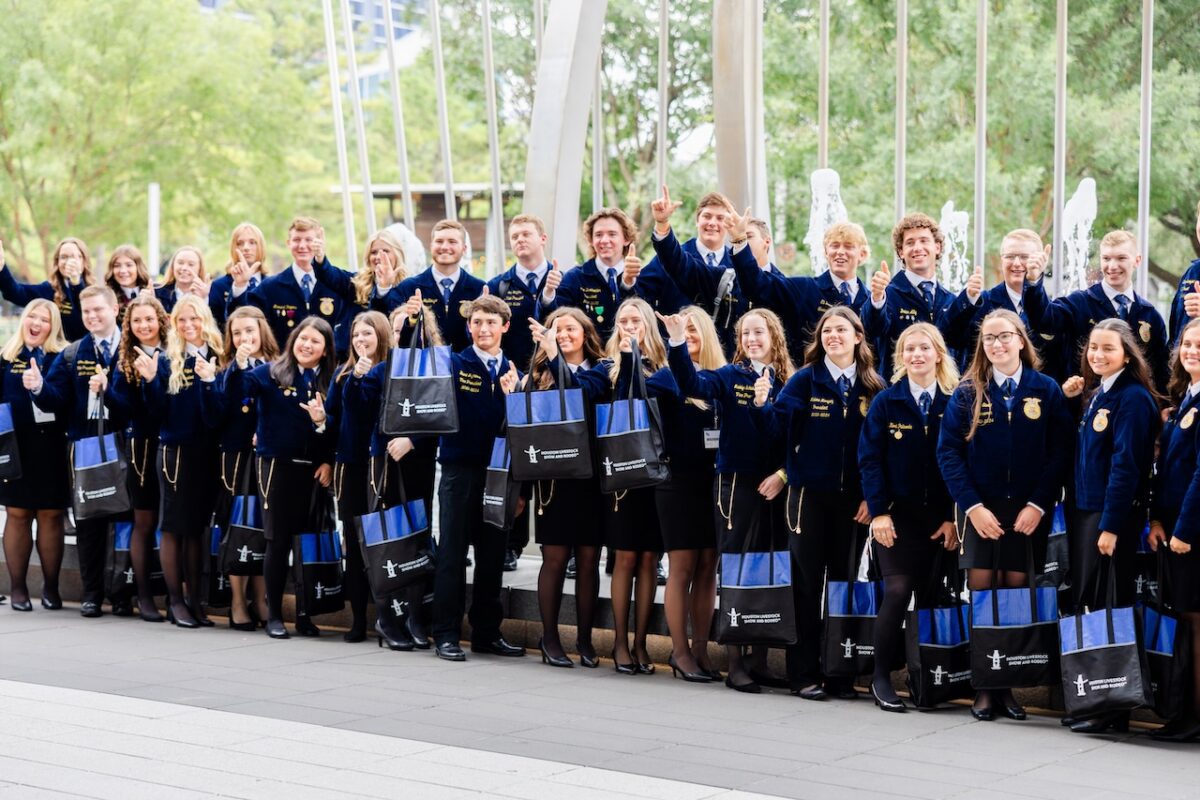
For a number of years, the scholarship required that students be agricultural majors, a 4H or FFA student, and attend Texas A&M University. (Courtesy Houston Livestock Show and Rodeo)
With the establishment of the Scholarship Alumni Association in 2014, the rodeo has seen an increase in volunteers looking to help give back to the organization that helped them fulfill their educational dreams. Most notably, many volunteers assist with scholarship applications through helping with all the necessary paperwork, continuing the cycle.
Beyond allowing students to afford higher education, it’s also helped create community for the scholarship recipients.
One of Voskamp’s favorite success stories is about a young man who was a self-described loner in high school until a rodeo scholarship for college changed his life.
“ I thought that was so cool that it was beyond just getting funding, it was just being able to go and find his community at a university,” she said. “He wouldn’t have been able to do that if he hadn’t received the scholarships to be able to go to college.”
The music moved millions
With a steady increase in popularity, the show’s venue has changed many times, going from the Democratic Convention Hall to the Sam Houston Coliseum, then to the Astrodome and finally landing in its current home, NRG Park, in 2001.
The first concert took place in 1942, featuring Gene “The Singing Cowboy” Autry, and has since seen over 400 entertainers grace the rodeo stage. Past performers include Beyonce, Taylor Swift, Post Malone, 50 Cent, Bun B, and the Jonas Brothers.
Talking about iconic shows at the rodeo wouldn’t be complete without mentioning Tejano music superstar and Texas native, Selena. Just one month before the singer was killed, she performed her last major concert on Feb. 26, 1995 at the Astrodome. The sold-out show is most remembered for Selena’s closing performance of “Como La Flor,” and her glitzy purple jumpsuit.
The rodeo even helped launch the careers of George Strait, who was a relatively unknown musician when he filled in for another performer in 1983, and Zach Top, who was a new country singer when he took the stage in 2025. Top performed a sold-out show to a crowd of 70,865; just two years earlier, he and his band had played a show for about 12 people.
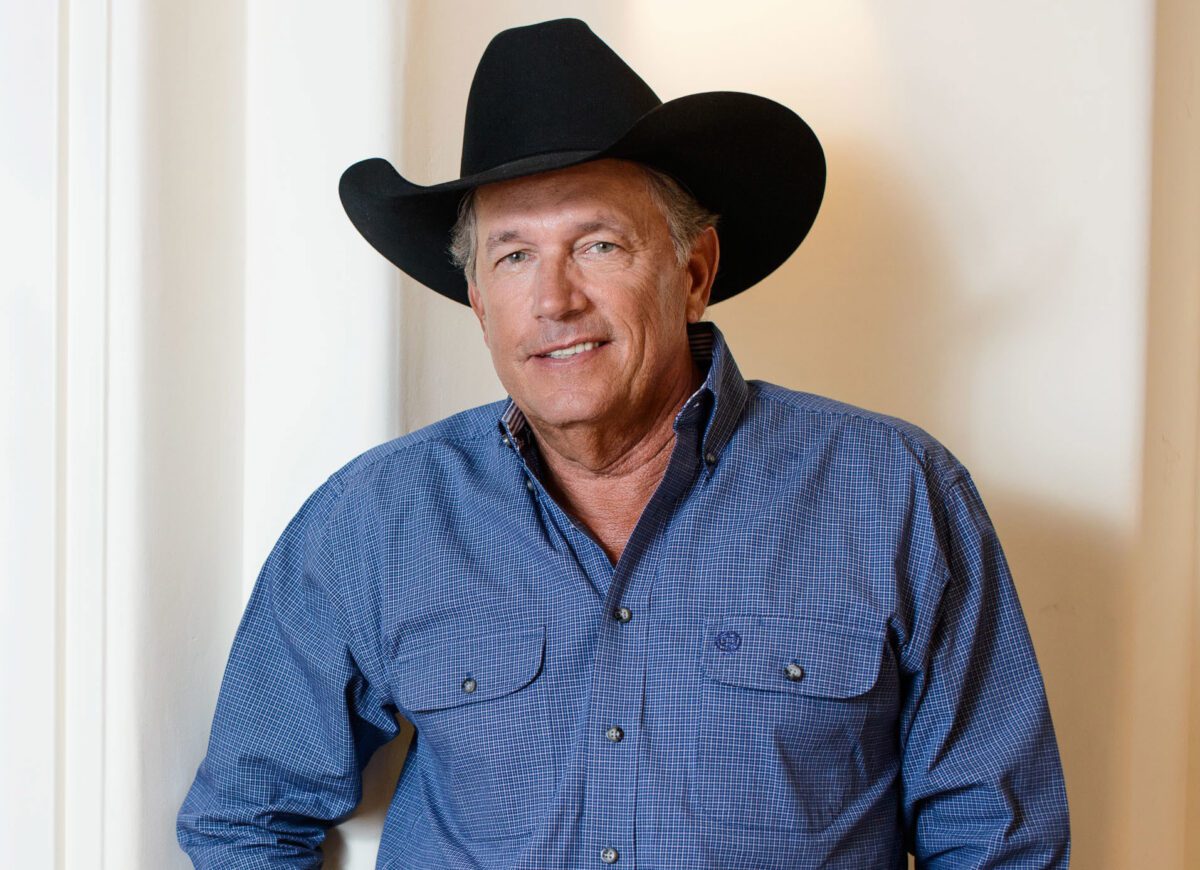
George Strait first took the rodeo stage in 1983. (Al Powers/Powers Imagery/Invision/AP, File)
“ That was the biggest show he’d ever played in his whole life,” Saenz said. “He was a last-minute fill-in as well. We had another artist back out weeks before the show, and he filled in and then he had an outstanding show.”
In 2025, the rodeo drew over 1.3 million people who attended paid rodeo and concert performances, with ticket prices ranging from $30-$500.
To learn more about the impact of the Houston Livestock Show and Rodeo, check out the 2025 Impact Report.
KEEP READING: What to expect at the 2026 Houston Livestock Show and Rodeo