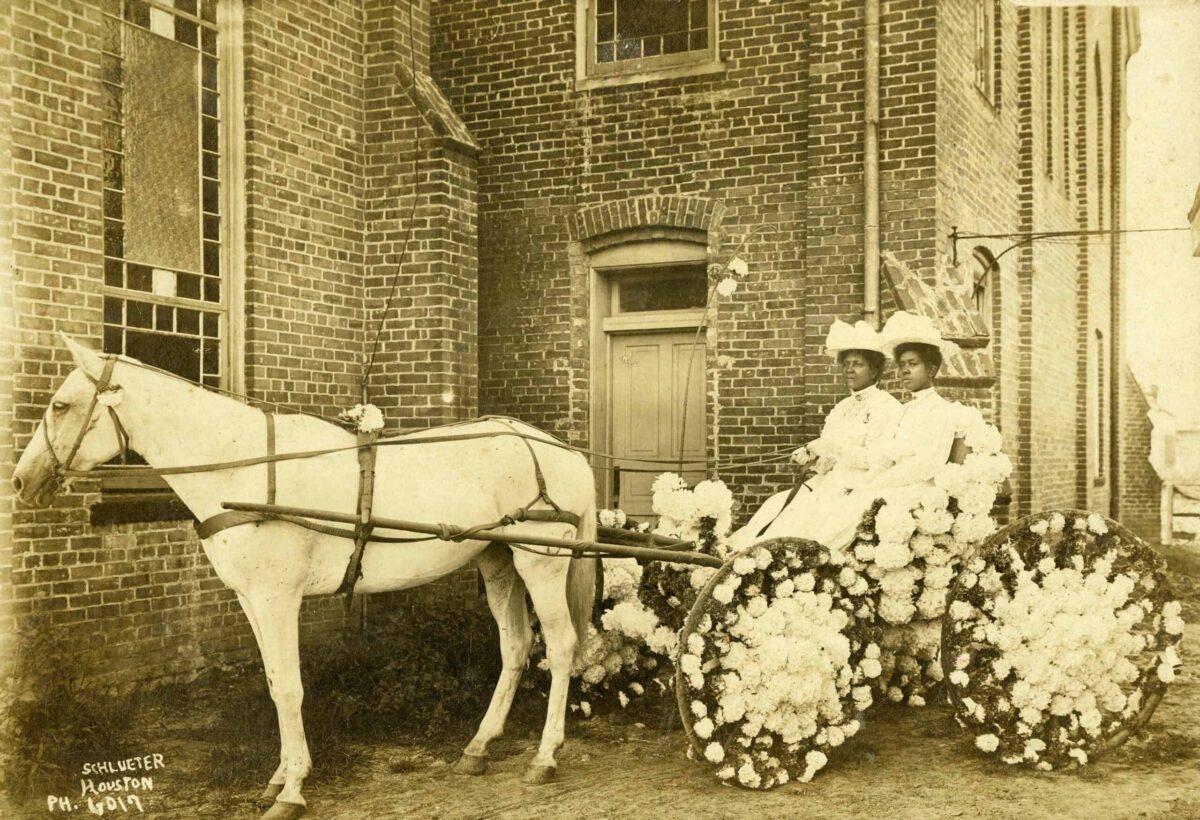
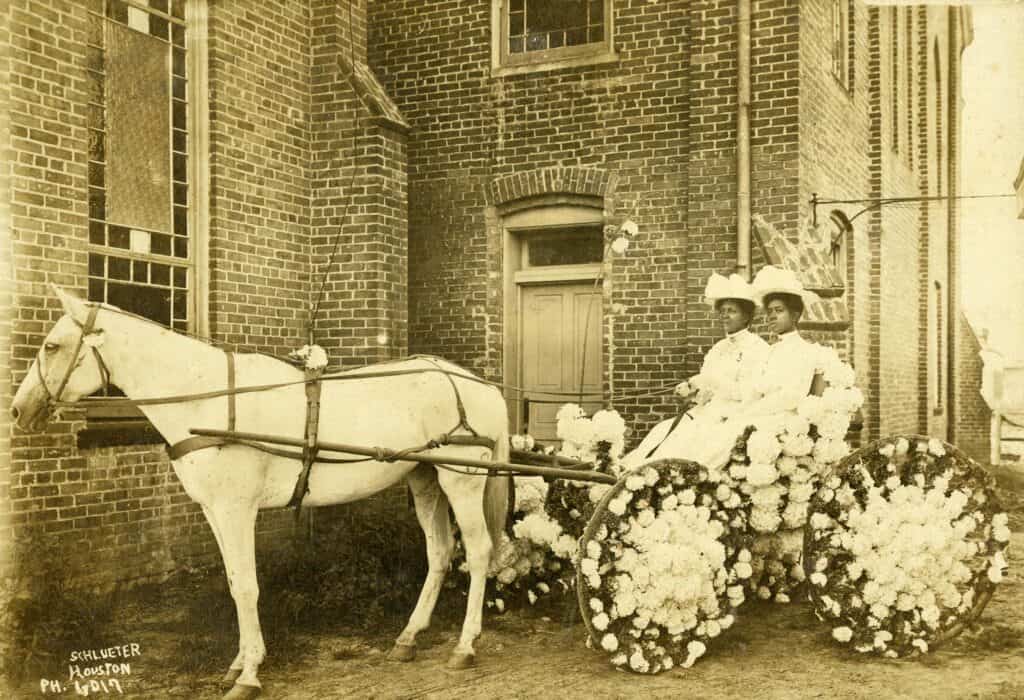
The people of Freedman’s Town took pride in dressing in Sunday Clothes. (Courtesy The African American History Research Center)
Houston’s Freedmen’s Town stands as a testament to freedom, resilience, and self-determination. Here’s how visitors can help preserve its legacy.
Texas is known for its pride, and Houston is no exception. Pride in heritage and tradition—and in the preservation of both—is pervasive here, and that extends to Freedmen’s Town, one of the most significant historical contributions to Houston’s history.
Established in 1865, shortly after Juneteenth, Freedmen’s Town was built by formerly enslaved people who had just been emancipated. While many Freedmen’s Towns exist across the US, the Houston community stands out as the first and largest settlement in Texas for those determined to build a free life.
You can visit Freedmen’s Town to learn about the history and tour the area where Black freedom got its start in Houston. Here’s everything you need to know about what makes this establishment such an important part of H-Town’s history.
The history and significance of Freedmen’s Town
Houston’s Freedmen’s Town happened a bit later than others in the US, and that’s because while the Emancipation Proclamation freed slaves on Jan. 1, 1863, word didn’t get to Galveston until over two years later on June 19, 1865.
Eager to start free lives, 1,000 formerly enslaved people migrated to Houston only to discover that they were not to be greeted warmly by its residents. They sought out a pocket of Houston in Fourth Ward and created Freedmen’s Town along the banks of Buffalo Bayou. It was the first African American community established in Texas.
Demonstrating an unyielding resolve and tenacity, the newly freed residents built homes, created schools for their children, opened businesses, and sewed fine clothes to attend church each Sunday. Their new community was a place to thrive and prosper, and that could be seen in their homes, roads, and community.
Many notable Houstonians emerged from Freedmen’s Town, including Rev. Jack Yates, the first pastor of Antioch Missionary Baptist Church, and Emmet J. Scott, who served as personal secretary to Booker T. Washington and later became secretary of the National Negro Business League.
Freedmen’s Town was so successful that by 1880, it was home to 95% of Black Houstonians, and by 1930, it had produced 400 Black-owned businesses!
Preservation efforts for Freedmen’s Town
It’s easy to lose all that history in a booming town like Houston, and Freedmen’s Town, in a prime location in the center of H-Town, was most vulnerable.
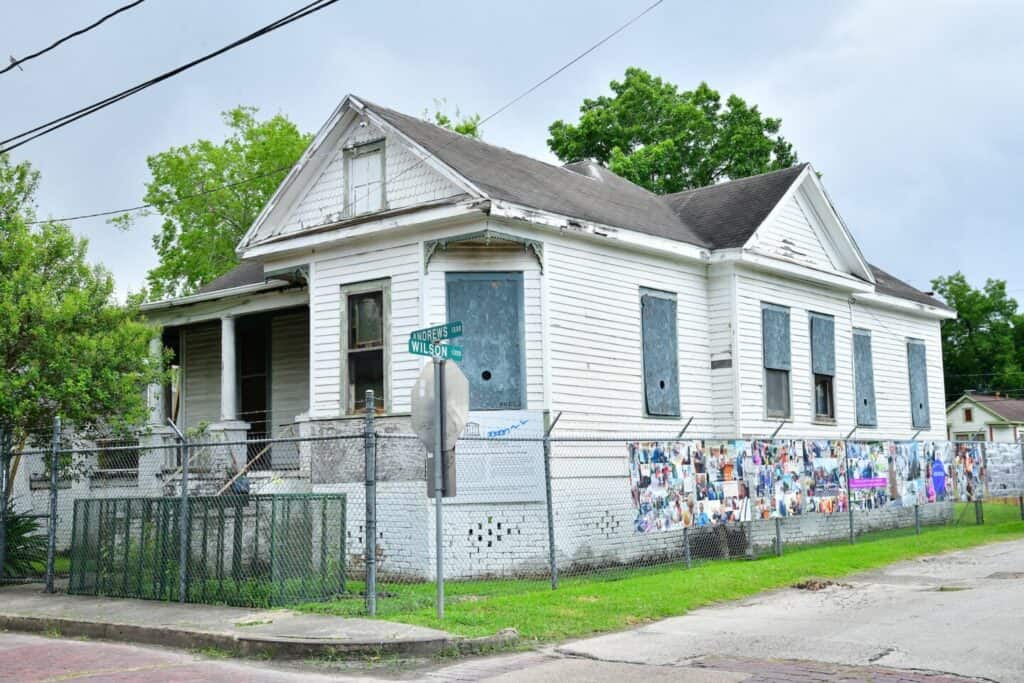
Just one example: Hand-laid bricks designed in patterns significant to West African cultural traditions once covered Andrew and Wilson streets and demonstrated the artistry and heritage of Freedmen’s Town’s residents. Those bricks deteriorated over years of neglect and climate impact.
To make matters worse, Interstate 45 construction divided the historic neighborhood, threatening to wipe out the monumental efforts of its first residents.
Heroes in the form of Houston Freedmen’s Town Conservancy, a nonprofit dedicated to preserving this town’s history, stepped in and partnered with Contemporary Arts Museum Houston, along with the city’s public works department, to create an initiative that would ensure this part of history could never be erased.
Rebirth in Action is a years-long commitment that began with recruiting supporters, such as the Kinder Foundation and the City of Houston, to raise funds for restoration. Next, the team worked to salvage the original bricks that paved the way to freedom and to begin work restoring the historic homes that lined the streets of Freedmen’s Town, scheduled to begin this year.
Ways to visit Freedmen’s Town
Visitors to Freedmen’s Town lend their own support by taking tours, educating themselves on the substantial contributions of those who built the town, and making donations to support the Conservancy’s efforts to preserve history.
Explore Freedmen’s Town Visitor Center
1204 Victor St., Houston
Start at the Visitor’s Center for an overview of how Freedmen’s Town came to be, who contributed to its growth and prosperity, and how you can get involved today.
Tours are one hour long and are free. Walk-ins are accepted, but you can also schedule ahead, especially if you have a large group.
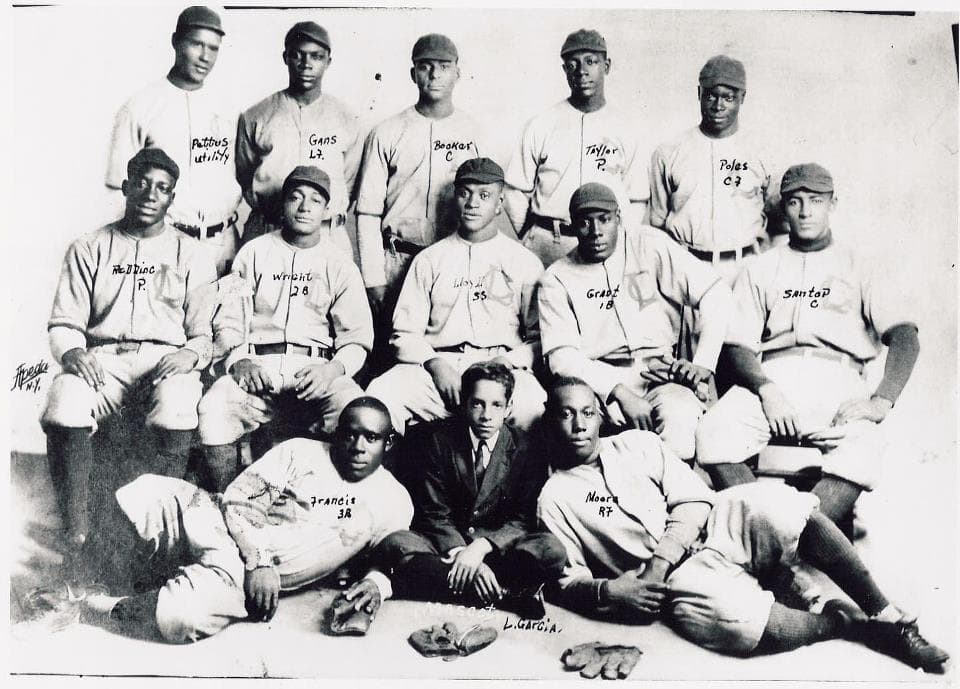
Check out the galleries featuring exhibits that showcase Black contributions and success stories, like Blackball: Baseball, Barbecue, and Blues, running from Feb. 19 to June 30, 2026. The exhibit is a fascinating exploration into the history of baseball through the Black lens, including the development of Negro Leagues and the integration of Major League Baseball.
Mostly, it humanizes formerly enslaved people, painting a picture of freedom and joy brought about through community, camaraderie, and the self-expression encouraged through sport and play.
The Visitor Center regularly offers educational programs, special events, and cultural activations, so be sure to check their website for upcoming events.
Take a guided neighborhood walking tour of Freedmen’s Town
Every Saturday, Houston Freedmen’s Town Conservatory offers an educational guided walking tour. Brick Street Tour takes you along the storied brick streets, where you’ll stop by historic homes and churches and hear accounts of the newly-freed people who built a community from scratch. Tickets for the Brick Street Tour are $25 for adults and $15 for children.
For a more comprehensive look at Freedmen’s Town, consider the Founders Tour. During your 90-minute journey, you’ll visit 20 historic sites that played a crucial role in the establishment and growth of this community. Tickets for the Founders Tour are $35 per adult and $20 per child.
For a look into the community spaces that fostered fellowship in Freedmen’s Town, sign up for the Wiley Park Tour. You’ll visit and learn about the gathering spaces, community and family celebrations, and holiday and youth events that brought joy to the residents. The 90-minute Wiley Park Tour is $25 for adults and $10 for children.
All tours can be booked on the website in advance of your visit.
Enjoy a guided bike tour of Houston’s Freedmen’s Town
If biking is more your speed, the Conservancy offers Saturday bike tours for every level of rider. Whether you are a beginner, intermediate, or advanced, the Freedmen’s Town Tour is accessible to you.
Choose a 90-minute, two-hour, or two-plus-hour ride. All offer guided commentary and highlight churches, homes, and key sites that played instrumental roles in the development of Freedmen’s Town. The tour also affords you the opportunity to pedal your way along the brick streets first laid by newly emancipated hands.
Ticket prices start at $15 for adults and $10 for children. Note that you must bring your own bike.
Support Freedmen’s Town through fundraising events
Restoration cannot happen without financial support, and the Houston Freedmen’s Town Conservancy and its partners work hard to bring awareness to this need. Two opportunities—one in February to coincide with Black History Month festivities in Houston and one in June to honor Juneteenth—are crucial fundraising events that depend on individual giving.
The Freedmen’s Town Heritage Gala
Friday, Feb. 13
Fully dedicated to raising funds for and awareness of Freedmen’s Town and its cultural significance, the Freedmen’s Town Heritage Gala returns in 2026 with the theme A Legacy Tailored, Dandy Style.
The theme is inspired by the Black tradition of Sunday Best, a post-emancipation practice adopted among members of the Black community to dress with care and intention, especially for church. It is rooted in the desire to express dignity, pride, and self-worth after decades of treatment that denied Black humanity.
Attending the gala means rubbing shoulders with philanthropists, civic leaders, and prominent community members who are dedicated to keeping the Freedmen’s Town legacy alive, so purchase a ticket, don your dandiest clothes, and support this important cause.
Juneteenth 2026
Juneteenth brought the birth of Freedmen’s Town, and each year the Houston Freedmen’s Town Conservancy marks the anniversary with a month-long series of events.
This year, the 161st anniversary of Juneteenth will be met with a celebration that honors the critical role Freedmen’s Town not only plays here in Houston, but across the state of Texas and in our nation’s history.
As these stories of freedom are passed down from generation to generation, the preservation of Freedmen’s Town is key to providing a concrete example of resilience, hope, and individual dignity.