Texas is huge. The state spans about 800 miles from the southeast to the northwest corner and is second only to Alaska in size.
Because of its massive size and location within the U.S., our state is perfectly positioned at the crossroads of major bird flyways, or migratory paths. It doesn’t hurt that it’s also the first stop for birds that have just crossed the Gulf of Mexico and are looking for a place to touch down and rest a bit.
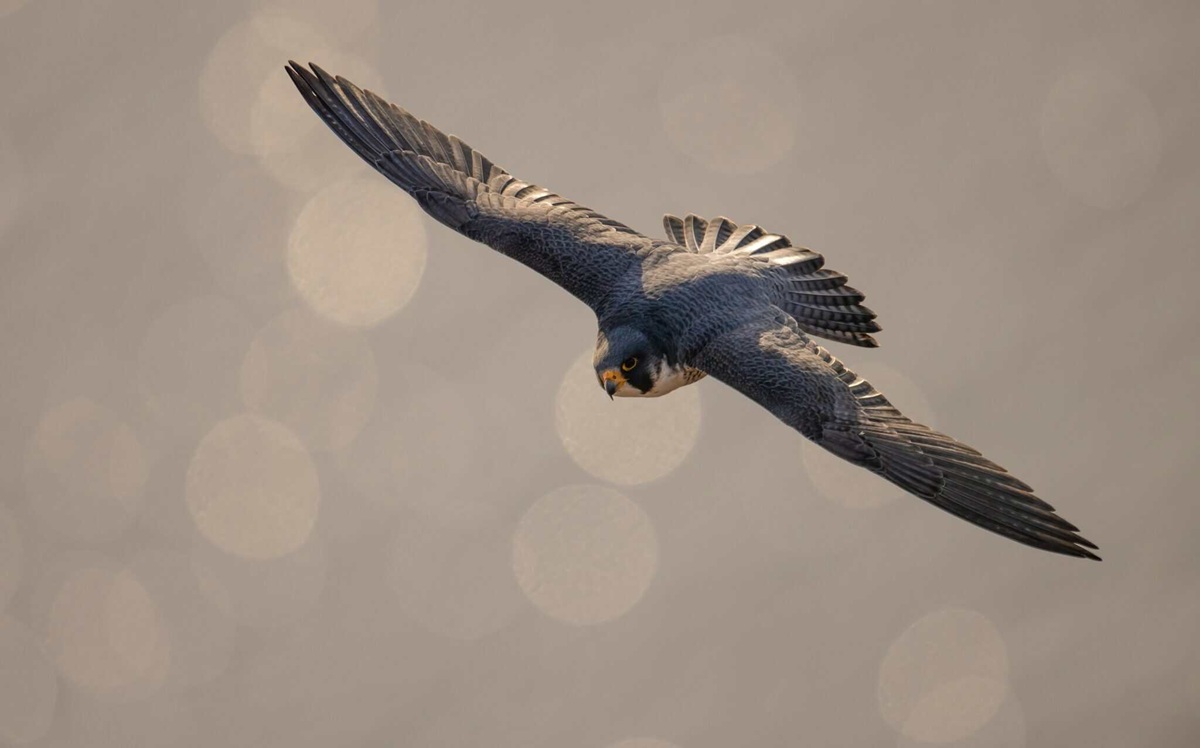
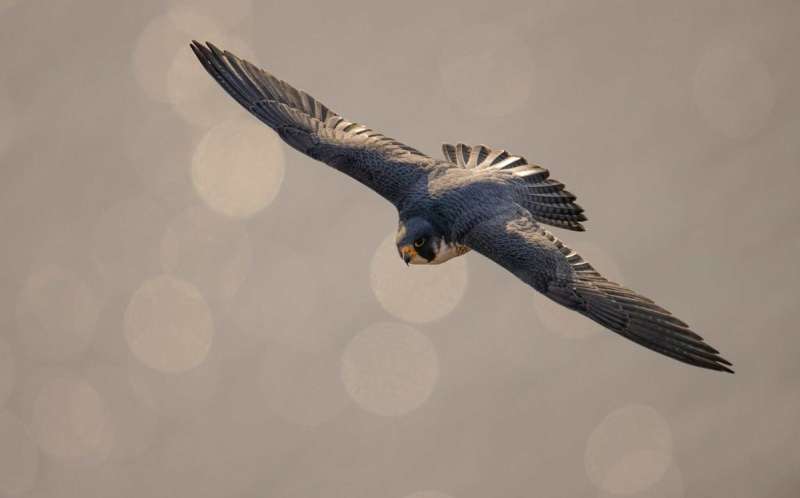
The result? The great biannual bird migration: about 2 billion birds migrating through this great state in fall and again in spring. And lucky us, we get some of the best viewing of a vast array of avians that you’ll find anywhere in the country.
So turn your eyes to the sky and watch as one of nature’s finest spectacles takes place: the great fall bird migration over Texas.
What causes the fall bird migration and when is it?
Every year, the fall bird migration takes place between around August 15 and November 30, with peak migration happening between early September and late October.
Most birds have spent the summer in northern breeding areas and are now heading to Central and South America for the winter. This allows them to build nests and care for their young in warmer climates, find food, and stay active during longer daylight hours.
Across the U.S., different breeds of birds migrate at slightly different times—hence the long fall window. For instance, in late August, you’ll see an abundance of hawks, and in October you’ll be awed by whooping cranes arriving from Canada.
This is wildlife, so nothing can be predicted with absolute certainty, but these patterns have been noted for thousands of years, so you can be sure that even if certain birds go unnoticed, they are undoubtedly here and on their way south.
Is there a way I can find out what is migrating now?
Well, as they say, there’s an app for that. Or at least an online tool called BirdCast, operated by scientists from Cornell University.
Basically, BirdCast tracks birds along their migratory routes in real time and then makes forecasts that predict when different species of birds should arrive in your area. It gives serious birders a heads-up so they can get to prime viewing areas and be ready with binoculars and cameras in hand.
Speaking of prime viewing areas, Texas is filled with them, so no matter where you live in the state, you have options for seeing everything from waterbirds to hummingbirds.
Where can I see the fall bird migration in Austin?
In the state’s capital and the surrounding area, you can target specific locations to seek out the rarest birds, or you can choose a site that guarantees a Hitchcockian number to thrill you.
According to Travis Audubon and a spokesperson from the Texas Ornithological Society, Hornsby Bend Bird Observatory is the best place in the Austin area to see a variety of migrating species, including passerines, shorebirds, and hawks.
Nearby in Hill Country, check out Garner State Park. The combination of the Frio River running through a forest of bald cypress trees and additional bird attractors like pecan groves and juniper forests, you’re pretty much guaranteed to see some spectacular birds. Some are unique migrators to Texas Hill Country, like the golden-cheeked warbler and vermilion flycatcher.
Where can I see the fall bird migration in Houston?
Houston is in a prime location for birdwatching during the migration season. It is nicely situated on the Central Flyway, and since many birds fly along the coast to reach South America, Houston offers incredible views, especially of shorebirds.
The Houston Audubon says that you should expect to see dowitchers, sandpipers, piping plovers, and black-bellied plovers, all in the height of their plumage to attract the opposite sex for breeding.
Other birds you can count on seeing in fall migration in Houston are hawks, hummingbirds, swifts, swallows, and flycatchers, an impressive range of bird species that will come and go through November.
The best places to see migration in Houston include Cullinan Park in Sugar Land, which has nature trails and an observation tower for birding, and Brazoria National Wildlife Refuge, which draws sandhill cranes and waterfowl to its multiple ponds. Viewing here is lovely from the boardwalk or on one of the many trails.
And don’t forget High Island in Galveston, site of the popular birding movie “The Big Year.” You’ll never forget your first sight of thousands of snowy egrets and roseate spoonbills blanketing the island with a constant flutter of wings.
Where can I see the bird migration in the South Texas Plains?
If you’re in or near The Valley, you’re in one of the best birding areas in the entire nation. It should tell you something that The World Birding Center was formed here.
Its headquarters, in fact, are located in Bentsen-Rio Grande Valley State Park, one of the best places for South Texans to view butterflies, fireflies, and the fall bird migration. Here you’ll see “valley specialties,” the nickname for birds found nowhere else in the world, such as the plain chachalaca, the great kiskadee, and the altamira oriole.
It’s definitely worth your time to visit Estero Llano Grande State Park in Weslaco. It’s the perfect place for beginners to explore the world of birds along lakes, woodlands, and a thorn forest. With hiking trails, picnic tables, and shaded viewing areas, Estero Llano Grande State Park has plenty to do in a relatively small footprint.
Where can I watch the fall bird migration in West Texas?
If you love to hear birds as much as you love to spot them, take your ears over to Big Bend Ranch State Park, where songbirds will entertain you with a soundtrack of tunes.
The diverse ecosystem of desert, canyon, and a river corridor makes for good birdwatching any time of the year, but during the migratory season, cuckoos, orioles, and tanagers enhance the environment with their unique languages.
In the mountains of West Texas, you might spot the rare Montezuma quail flying above the prairie dogs at Davis Mountains State Park. And in the Texas Panhandle, grab your binoculars and make your way to Palo Duro Canyon State Park for views of yellow-billed cuckoos, blue grosbeaks, and golden-fronted woodpeckers.
Can I see migratory birds in my own Texas backyard?
Every Audubon Society will tell you that sometimes the best birds can be spotted just outside your home. If you haven’t had much luck in your backyard birdwatching efforts, a few minor changes can attract a greater number of birds.
Turn off or dim outside lights
This one simple change helps birds stay on their migratory path without being confused or distracted by artificial lights. Most birds fly during the night, so turning off outside lights during migration season is a small but mighty action.
Provide easy access to bird food
You don’t have to spend a lot of money on expensive sunflower seeds—birds on the move are looking for quick sustenance. Think peanut butter and seeds spread on pinecones and simple feeders filled with birdseed mix.
Add a bird bath or some source of water
Every bird is drawn to water, especially after flying many miles. Any clean water source will make your backyard an ideal place for a bird layover.
Delay cutting back summer plants
Those limbs make for perfect perches, and plants offer both seeds and cover from predators. Putting off pruning makes your yard a safe haven for migrating birds.
Living in Texas is a bonus for many reasons, and the fall bird migration is just one of them. It’s a chance to connect with nature and experience the thrill of seeing a rare bird, and there’s no better time to do it than right now.
This article first appeared on Good Info News Wire and is republished here under a Creative Commons license.