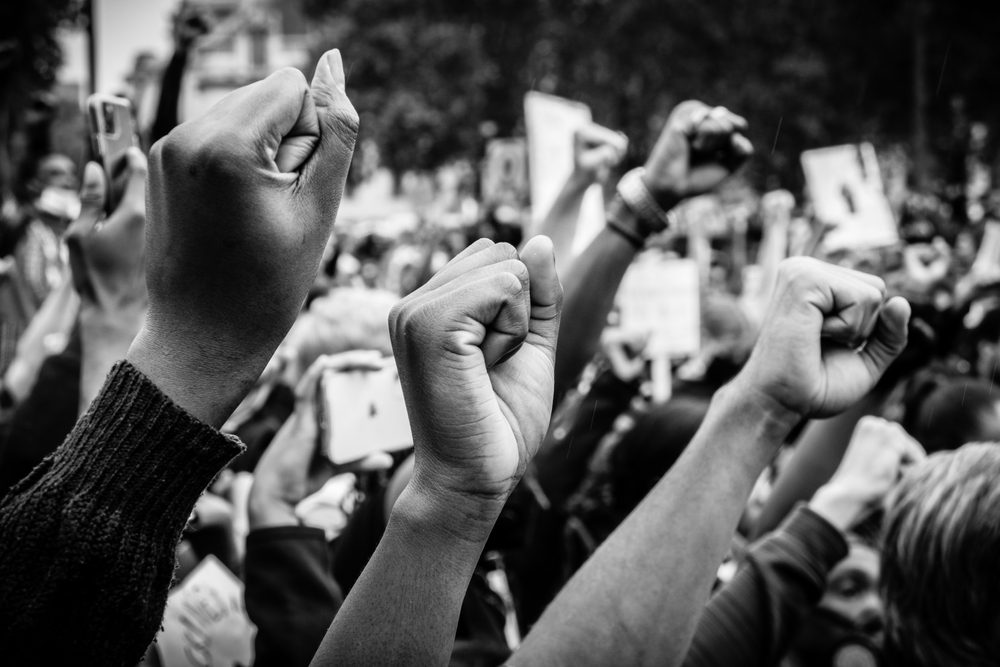
Photo Credit Shutterstock
This year marks 100 years of formally celebrating Black history in the US—a century of honoring our ancestors and naming our contributions across science, education, culture, politics and more. And yet the disconnect between celebration and reality remains: even as we uplift Black history, Black political power is still treated as optional, conditional, or inconvenient.
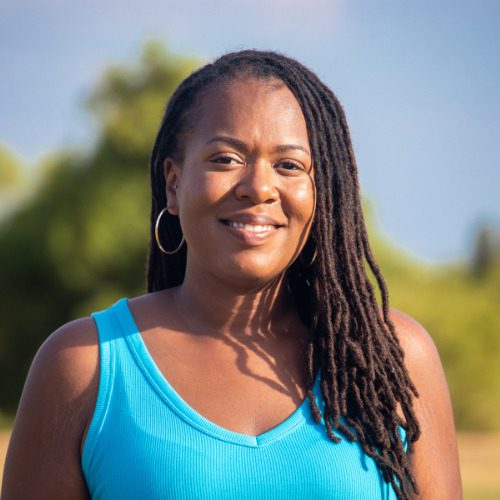
Like many who came before me, I beat the odds. I was first arrested at 10 and moved through foster care and detention facilities across Texas. I wasn’t convicted of any crimes, but the system had nowhere else to put me. I had to petition the courts just to remain stable long enough to finish high school.
Today, I am part of the 4% of former foster youth who earn a bachelor’s degree, and on track to join the less than 1% who obtain a master’s degree. That makes me an outlier, but that’s not an achievement I celebrate, nor am proud of it. My story isn’t one about resilience. It’s a story about broken systems deciding who makes it and who doesn’t. That reality is why I push against systems that were built to harm people like me.
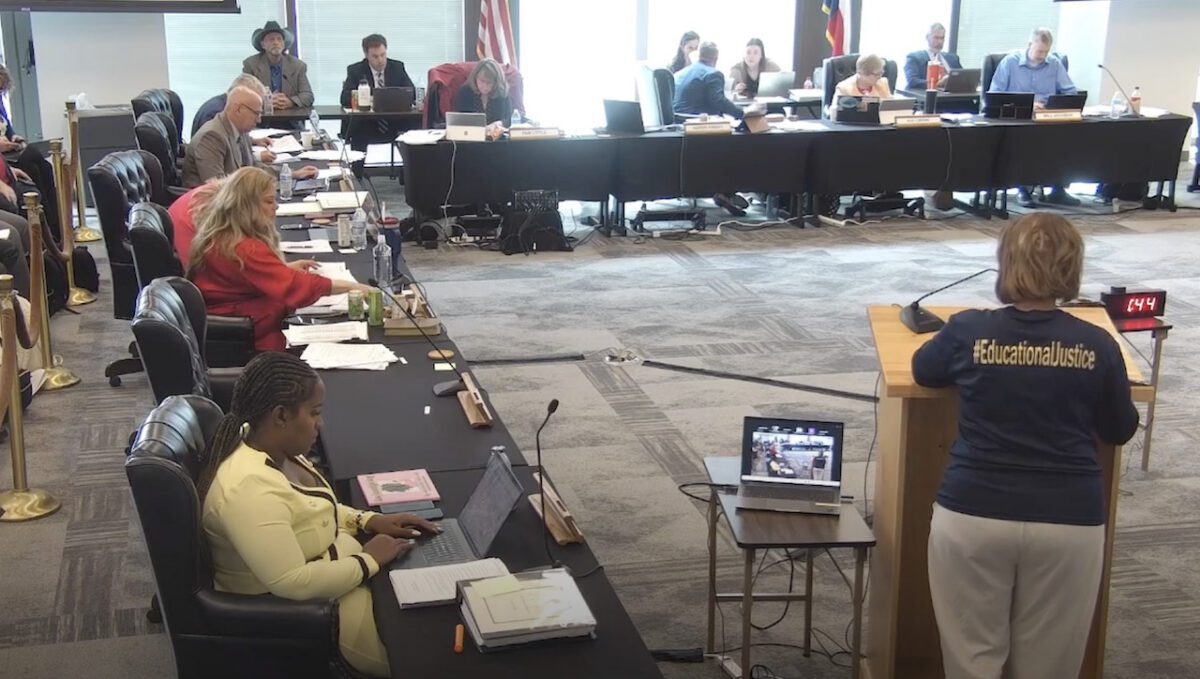
I entered advocacy through social work after learning something radically simple: ordinary people can walk into the Texas Legislature and speak directly to lawmakers. That realization put me in rooms designed to exclude people like me and led me to become one of the youngest appointees to the Texas Juvenile Justice Advisory Board. I testified before Texas’ highest courts and served for eight years on the Judicial Commission on Mental Health. I’ve since designed award-winning alternatives to incarceration and worked inside federal prisons to understand what truly drives successful reentry.
Over the past five years, I’ve focused on challenging traditional and extractive research models by ensuring communities retain ownership of their data and power over policy outcomes. Because if impacted communities aren’t embedded from start to finish, the work will always fall short.
Eventually, advocacy stopped feeling sufficient. I was tired of watching legislators ignore the data, and debate policies in rooms where the people most affected were never invited or listened to. So I ran for office.
In politics, “electability” is often framed as a strategy. In practice, it’s a set of assumptions about who party leaders believe voters will tolerate, who won’t disrupt donors, and who won’t force uncomfortable conversations. It has far less to do with what voters actually want.
I learned this the hard way. I lost my primary by 115 votes in a system where I did the work—raising the money, building the operation, and connecting with voters. The challenge was that I lacked the early institutional backing traditional candidates receive long before ballots are cast. As I had been warned before running, the rules change when women of color step forward.
My run for office showed me how politics actually works, and what conversations happen behind closed doors. I had a proven track record and deep ties to the community. The issue was not my qualifications. It was that I was unmarried, childless, and didn’t own a home. Though these qualities rarely disqualify white men, it was different for me as a Black woman.
What surprised me most wasn’t resistance from Republicans, who had no issue with the possibility of me making it to the general election. What shook me to my core was the doubt within my own party. The message was unmistakable: Our labor is valued, but holding positions of power is treated as a risk.
This matters in Texas, where Black voters, especially Black women, are among the most reliable participants in democracy yet are still treated as electoral liabilities rather than viable leaders.
I believe our party is at a crossroads. If we don’t confront this honestly, we can’t be surprised when people start questioning whether they want to remain part of it. Too often, self-described allies defer to political strategists urging Democrats to abandon so-called “woke” politics, and are seemingly more committed to coalition building with middle-of -he-road voters that are uncomfortable with Black, brown, and LGBTQIA+ communities. In Texas, that instinct shows up with coded language about what is “safe,” “moderate,” or “electable” layered with microaggressions and misogynoir that quietly undermine diverse leadership.
The result is a question I hear more than ever: Will Black voters still show up if Black candidates are sidelined? It’s a question rooted in projection, not reality. It reveals more about the anxiety of those who failed to show up for Vice President Kamala Harris in the 2024 election than it does about Black voters themselves. The real fear isn’t turnout. It’s what happens if Black voters realize that the party is comfortable sidelining them.
If the last few years have made anything clear, it’s this: Voters and non-voters alike are hungry for boldness. Across the country, candidates who take clear positions, speak plainly, and fight for their communities are outperforming expectations, even in places long dismissed as unwinnable.
So when people say candidates like Congresswoman Jasmine Crockett aren’t electable, I take that personally. Not only because it’s wrong, but because it erases the most reliable voting bloc in this country: Black women. The same Black women who turn out at extraordinary rates. The same Black women who have carried this party cycle after cy cle.
Black communities have always been problem solvers. When we see a gap, we build a solution—and when it works for us, it works for everyone. We are not a special interest. We are the theory of change.
I hope we can soon abandon this idea that we are “minorities,” because we’re not. We are a part of the global majority. We continue to show up, organize, and vote. What we’re asking for isn’t special treatment, but a permanent seat at the table— not just a call when something goes wrong.
Loyalty without respect is unsustainable. Black communities have been on the front lines for generations. We’ve always done our part, not because the system worked for us, but because we understood what failure could cost.
The question now is whether our allies—and the rest of the party itself—is ready to do theirs. Are they willing to recognize, listen, invest, and trust Black leadership? Not just in February, but all year long.