Texas froze its Historically Underutilized Business (HUB) program after a vendor lawsuit challenged the program’s constitutionality. In December 2025, that lawsuit was dismissed. The state’s freeze—and sweeping administrative overhaul—remain.
That disconnect should concern anyone who cares about how Texas does business.
In late 2025, the Texas Comptroller suspended the HUB program as it had existed for decades. Two months later, the office administratively dismantled it entirely, replacing it with a newly branded “VetHUB” program where eligibility is effectively limited to service-disabled veteran–owned firms, excluding thousands of businesses that had previously qualified under criteria enacted by the Legislature.
The Comptroller justified this move by pointing to a lawsuit filed in November 2024 by Aerospace Solutions, an Austin-based staffing firm. The suit alleged that the HUB program violated the Equal Protection Clause by favoring businesses based on the race or sex of their owners. The Comptroller publicly claimed the program was unconstitutional and suggested an overhaul was legally necessary to create a level playing field.
This is similar to the flawed logic employed by Attorney General Ken Paxton in his MLK Day press stunt attacking diversity, where he claimed that decades’ worth of DEI programs across the state are illegal and antithetical to our constitution.
But here is the critical fact Texans deserve to know: the court never ruled the HUB program unconstitutional, and the lawsuit these changes were based on was dismissed because the plaintiff failed to show legal harm by the HUB program.
Just like that, the legal “justification” for freezing and dismantling the program disappeared. Yet the damage continues.
Texas’s procurement programs should focus on getting work done—roads, schools, the power grid, water lines, technology. That work depends on competitive markets with stable rules that businesses can plan around.
Let’s be clear about what HUB is and isn’t.
HUB is not a discretionary initiative that can be turned on and off depending on the politics of the moment. It is an economic participation and competition framework created by the Texas Legislature in the 1990s after state findings showed persistent disparities in contracting.
The program never guaranteed contracts. It required outreach and solicitation so more qualified businesses could compete, expanding the bidder pool and improving value for taxpayers. Now the state is moving in the opposite direction, and the numbers are not small.
According to the Comptroller’s own reporting, Texas had 15,762 registered HUB companies before the program was dismantled. Under the new rules, more than 15,000 of those companies lost eligibility overnight.
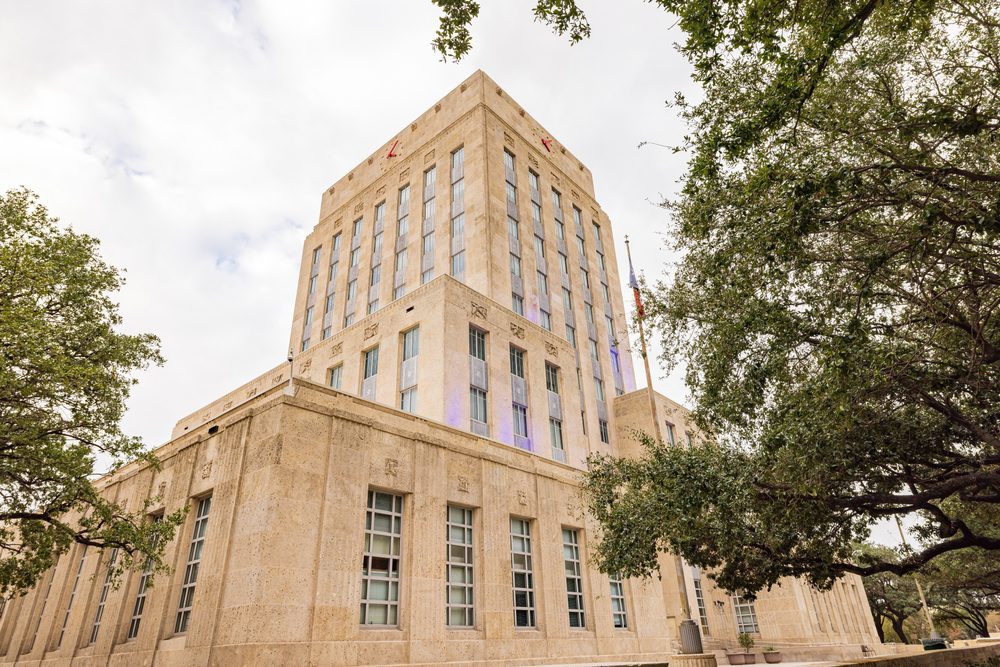
In my home city of Houston, where I serve as Controller, the market signal is already clear. Using the state’s vendor search tools, procurement categories that once showed dozens of HUB-certified firms now show one—sometimes none. Houston alone has nearly 2,500 active HUB-certified, minority-owned businesses operating across construction, engineering, transportation, healthcare, energy, technology, and professional services. Together, they support roughly 26,000 full-time jobs and more than 7,500 part-time jobs.
This isn’t an abstract policy. It hits paychecks. It disrupts contracts. It destabilizes businesses that spent years building capacity and competing in good faith under the rules the state itself created.
When rules change overnight, businesses don’t make bold investments. They pull back. They stop hiring. Some stop bidding altogether. And once capable vendors leave the public marketplace, they rarely rush back. Agencies lose options, competition shrinks, and taxpayers lose price pressure.
If the Comptroller’s Office believes this overhaul improves competition, it should prove it with data: bid counts, bidder diversity by category, pricing trends, award concentration, and vendor participation over time. Procurement doesn’t run on rhetoric. It runs on markets.
When the government pushes thousands of qualified businesses out of the marketplace, the result is fewer bidders, less competition, higher risk, and weaker outcomes for taxpayers.
Texas once understood that limited competition limits our future. Our job now is simple: widen the field, follow the law, and let the best companies win.