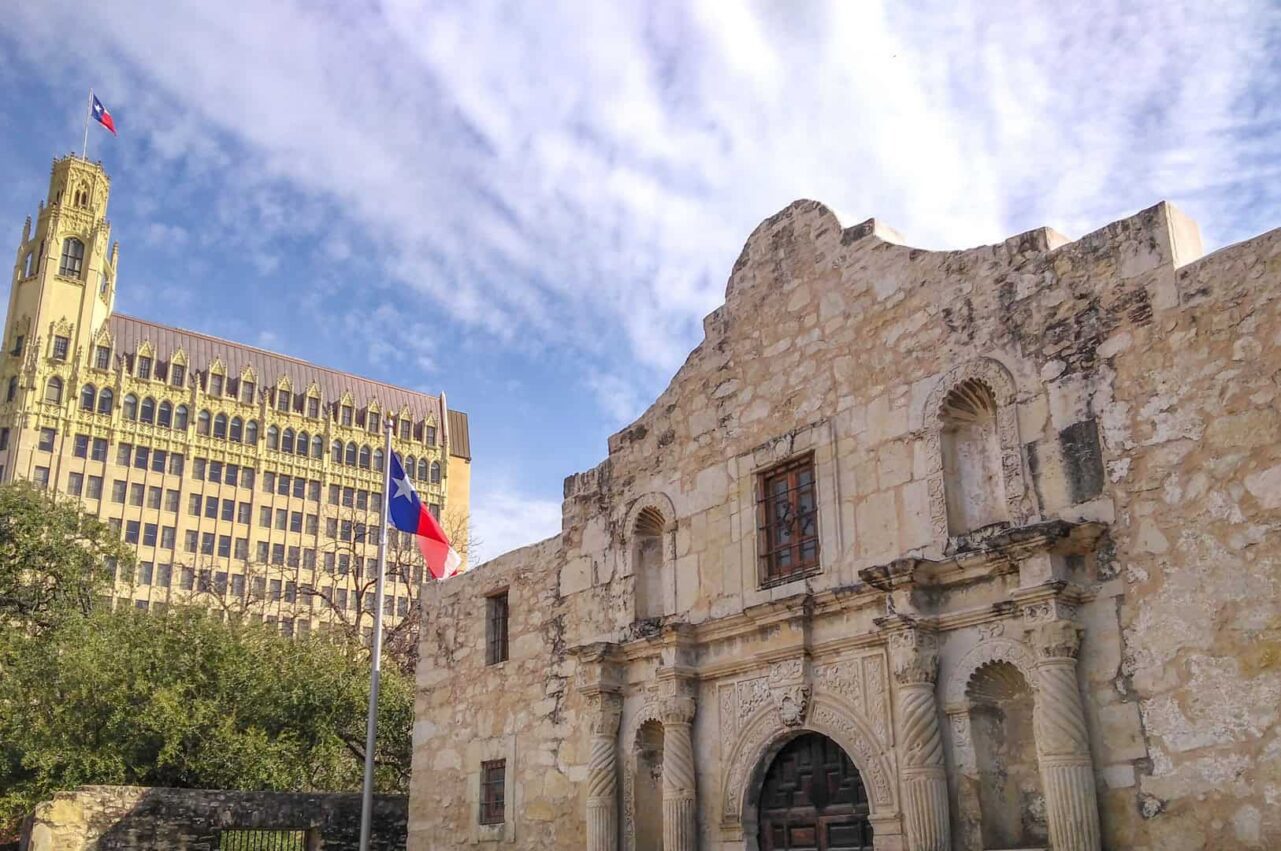
Exterior of Mission San Antonio, better known today as The Alamo. (Alamo Trust, Inc.)
San Antonio’s culture and heritage are on full display at these five Spanish frontier missions.
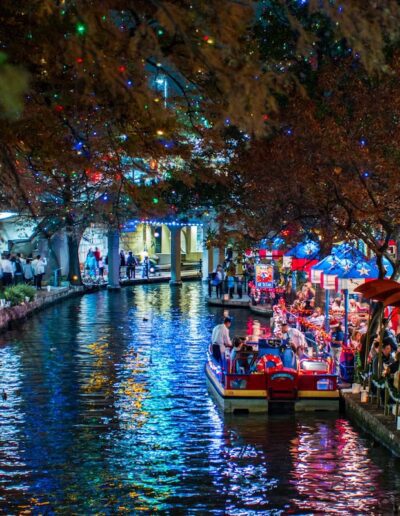
As one of the most picturesque cities in the Lone Star State, there’s plenty of beautiful scenery and interesting places to explore in San Antonio. From the city’s famous Riverwalk to the Tower of the Americas and the Botanical Gardens in bloom, there’s always something new to explore. But to truly experience San Antonio’s history, consider a hike or a bike ride along the Mission Trail, which allows you to explore all five of San Antonio’s historic Spanish frontier missions.
These five missions were established during the eighteenth century, and each one represents centuries of Texan history. They showcase the unique blend of Spanish, Mexican, and American heritage that came together in San Antonio and across Texas. Visiting them provides the chance to travel through the city, seeing how it’s grown and changed across its centuries-long history.
Take a look at the five Spanish frontier missions of San Antonio and learn how you can explore them today:
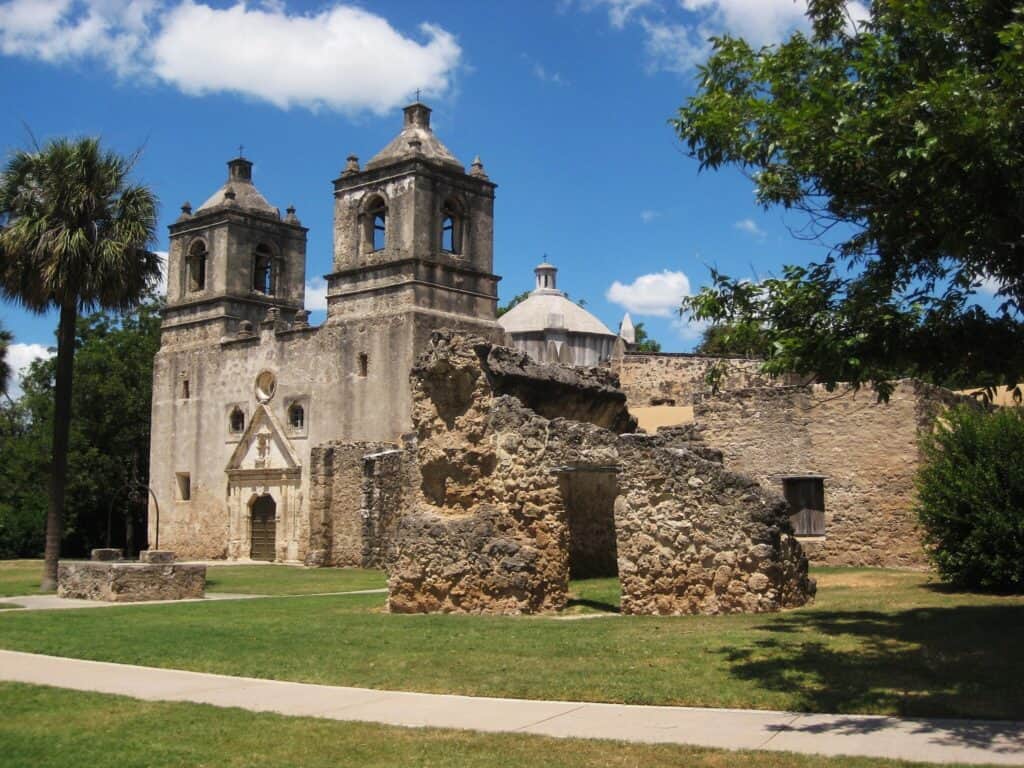
1. Mission Concepción
The full name of Mission Concepción is something of a mouthful: Mission Nuestra Señora de la Purísma Concepción de Acuña. Originally founded in East Texas, Mission Concepción was relocated to the San Antonio area in 1731. A little over sixty years later, before the end of the eighteenth century, the mission began to secularize, and by the mid-nineteenth century, cattle were living in the church.
In the 1860s, the church was reconsecrated, and in the early twentieth century, the Catholic Church undertook efforts to restore the mission. Today, visitors can explore the church and ruins on its grounds and see the mission’s exceptional eighteenth-century frescoes.
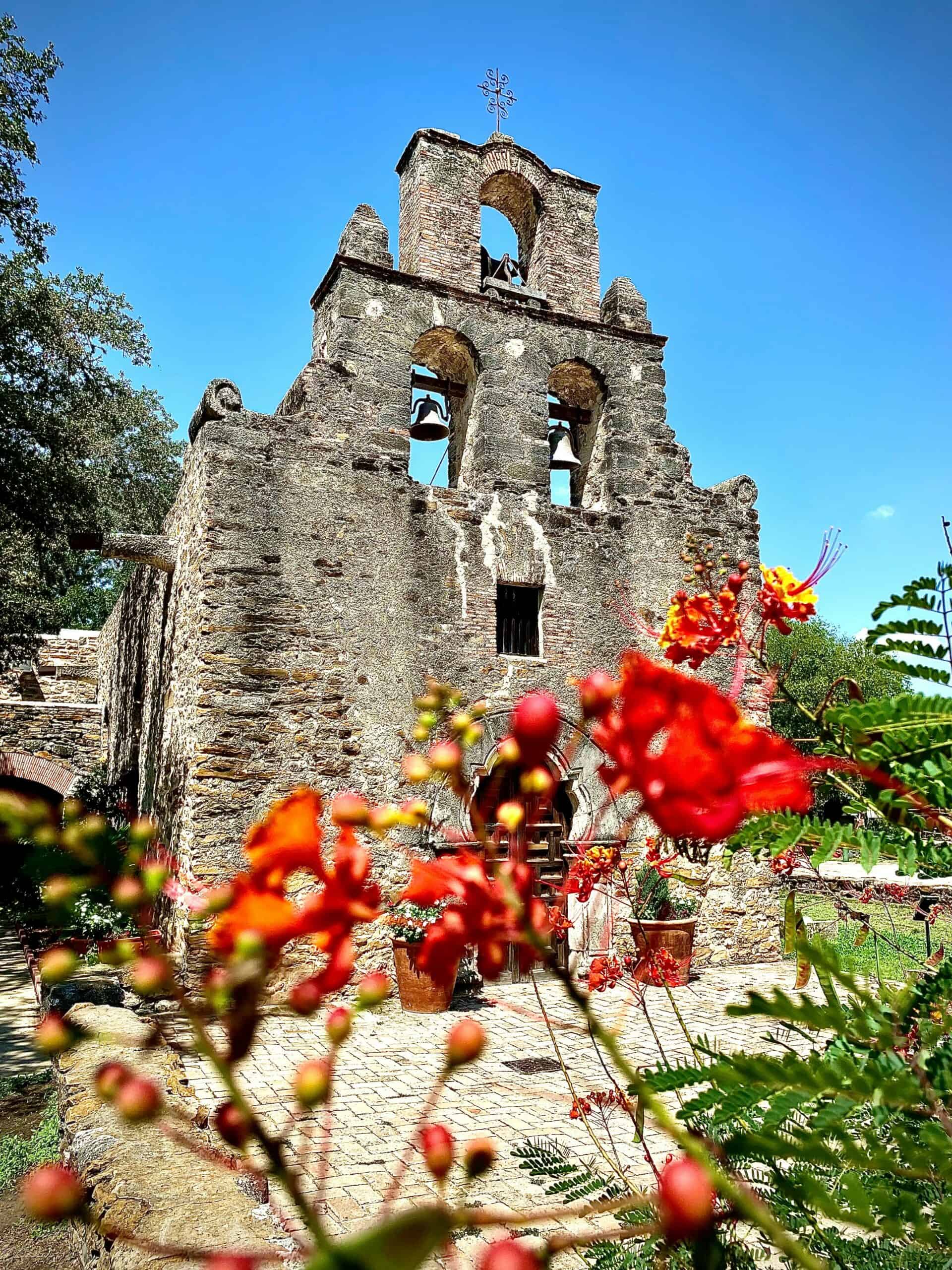
2. Mission Espada
Another Spanish frontier mission now known by an abbreviated name (Mission Espada), Mission San Francisco de la Espada may, by some definitions, be the oldest of San Antonio’s frontier missions. Originating as a mission in East Texas founded in 1690, it relocated to the San Antonio area in 1731. Mission Espada’s history as a mission was relatively short-lived, as it fully secularized in the first half of the nineteenth century and fell into disrepair for several decades.
Today, the mission is an archaeological site and is open to visitors. It has been partially restored, although many of the original mission’s ruins still remain. Visitors can also see weaving demonstrations on a working recreated historic loom and tour the ruins of the original mission’s aqueduct.
3. Mission San Antonio de Valero
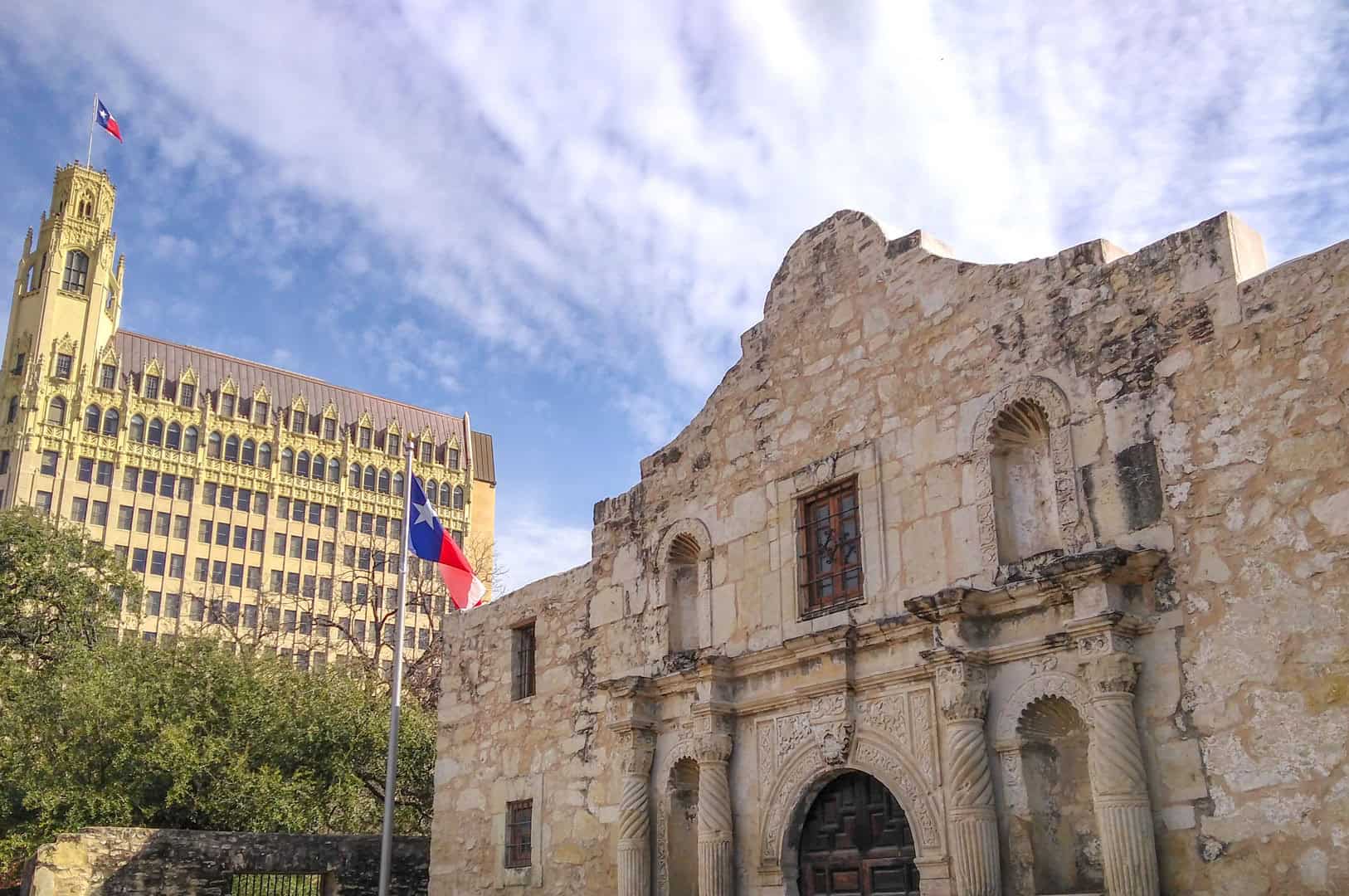
Remember the Alamo? Of course you do, but maybe you didn’t know that it was originally an eighteenth-century Spanish mission. Specifically, the Alamo refers to Mission San Antonio de Valero, founded in 1718 to proselytize to Native Americans, although the original mission was destroyed by a hurricane. Its current site was established in 1724, over three hundred years ago.
Mission San Antonio de Valero isn’t just the oldest of the city’s Spanish frontier missions; it’s also the site that gave San Antonio its name and its first permanent Spanish settlement. Today, it’s also one of the most popular tourist attractions in the State of Texas, and is home to exhibitions on military history, VR-augmented experiences, guided tours, a living history encampment with live reenactors, and more. While many of these exhibitions cost money, visiting the original Mission San Antonio church is always free (though visitors should book online in advance).
4. Mission San José
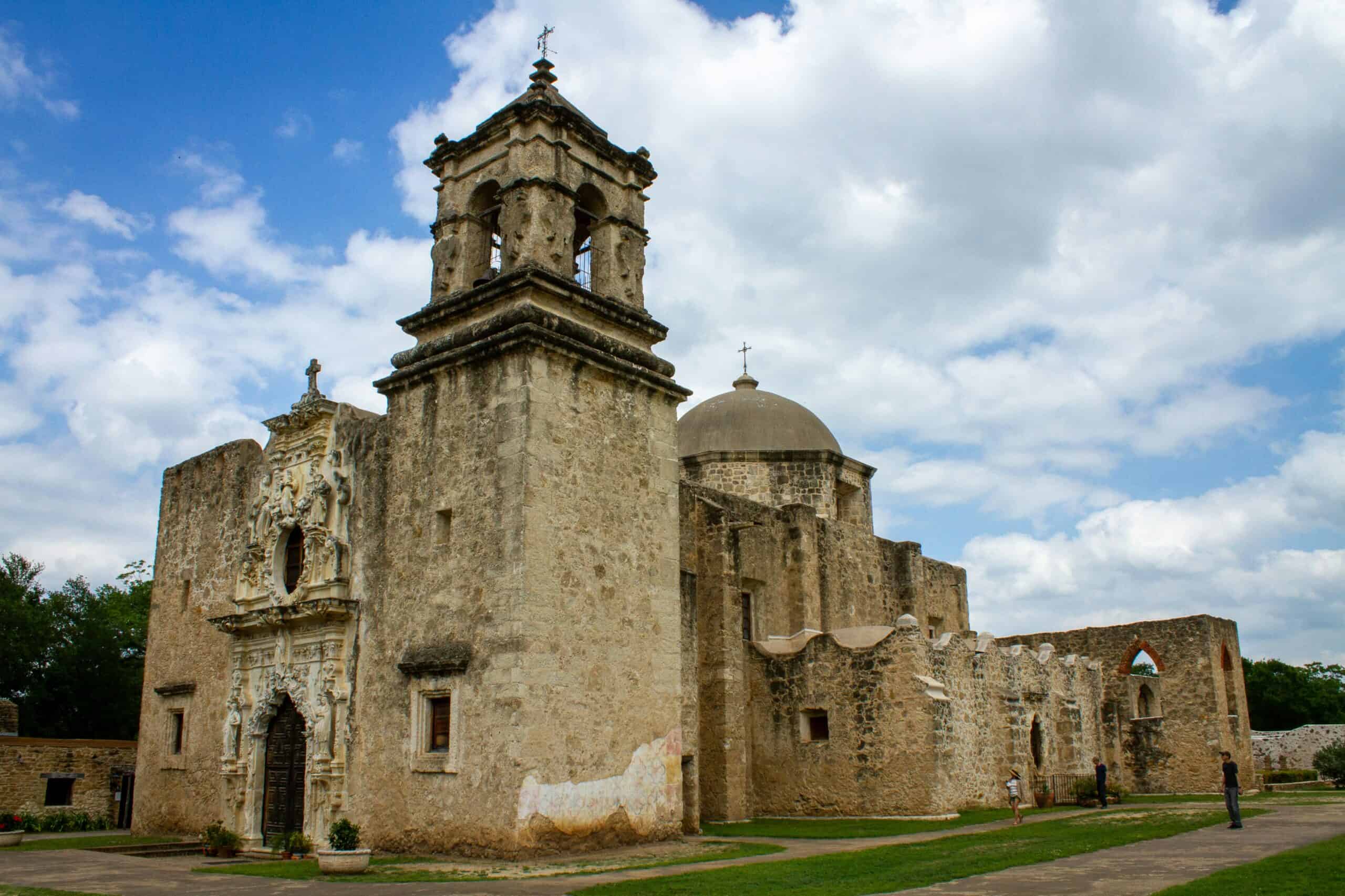
Founded in 1720, Mission San José y San Miguel de Aguayo, today known as Mission San José, was established to serve Native American communities that had conflicts with those already living at Mission San Antonio. In its first decade, Mission San José, which would be known as the “Queen of Missions,” would move three times before settling in its current location around 1740. Mission San José was partially secularized in the first half of the nineteenth century and served as a military barracks for Mexican and Independent Texan forces.
Today, you can visit the fully restored Spanish Baroque church at Mission San José, much of which is in its original form and is an important piece of Texas architectural history. Mission San José is still a working faith community, with members of the Franciscan order living, praying, and conducting services on site.
5. Mission San Juan
The third of the frontier missions to have relocated to San Antonio from East Texas, Mission San Juan Capistrano was founded in 1731 but built over the course of decades. This mission was founded to proselytize to Native Americans and encourage them to settle in the area and adopt Spanish culture. Over the course of the eighteenth century, multiple churches, a convent, and an agricultural site were founded on the mission grounds.
Over the centuries, Mission San Juan fell into disrepair and was used as a residential complex during part of the nineteenth century. In the twentieth century, Mission San Juan was restored thanks to funding from the Works Progress Administration under President Roosevelt, and then by a rehabilitation program funded by the Archdiocese of San Antonio in the 1970s. Today, visitors to Mission San Juan can explore the third church built on the site, as well as the ruins of the second church, agricultural and residential buildings, and one nineteenth-century residence.
BONUS: More slices of San Antonio history you can explore along the Mission Trail
While the five missions themselves are the indisputable backbone of the Mission Trail, they aren’t its only attractions.
All five missions make up the San Antonio Missions National Park, which is also a World Heritage site. Take some time to visit the ranger stations at each mission, some of which have additional information about the sites. Along the trail, you can also see a historic marker from Texas’ centennial, and the ruins of the canal system known as acequias, which irrigated the missions in the eighteenth century. As you tour the trail, be sure to stop for lunch at one of San Antonio’s many restaurants, and drink a toast to three centuries of this incredible city!
This article first appeared on Good Info News Wire and is republished here under a Creative Commons license.
Related: 11 completely free things to do in San Antonio (beyond the River Walk)