Houston is a massive, sprawling city composed of over 640 square miles. It’s so big that you could fit New York City, San Francisco, and Boston in its footprint, with 245 square miles to spare.
And while that’s an impressive statistic, it comes with its own set of problems. Over 2.4 million people call H-Town home, and of that number, about one in five—that’s nearly 500,000 residents—live in areas known as food deserts.
While food insecurity is even more prevalent (nearly 725,000 Houstonians experience it), it’s not exactly the same thing as being designated an official food desert.
What is a food desert?
Most people understand food insecurity, as the name is pretty straightforward. It applies to individuals and families who struggle to consistently afford nutritious food needed for a healthy lifestyle. They may be living paycheck to paycheck, or they may not be able to budget due to fluctuating paychecks.
A food desert, however, is a geographic location where healthy food is scarce. Grocery stores may be few and far between. Residents may be unable to afford transportation to a store, or, if they can get there, they may only be able to afford the cheapest food products, which are often neither healthy nor sustainable.
As a result, people who live in food deserts have a much higher chance of becoming obese, leading to expensive health problems like diabetes that put an even greater strain on a paycheck. Add increasing costs of health insurance, groceries, and gas, and the challenges become even more severe.
“Access to healthy food is a foundational part of critical civic infrastructure. Every city depends on a healthy, productive population, and access to nutritious food is where that begins. It’s the first rung on the ladder to opportunity,” says Gracie Cavnar, Founder of Recipe for Success Foundation, which operates Hope Farms in Houston.
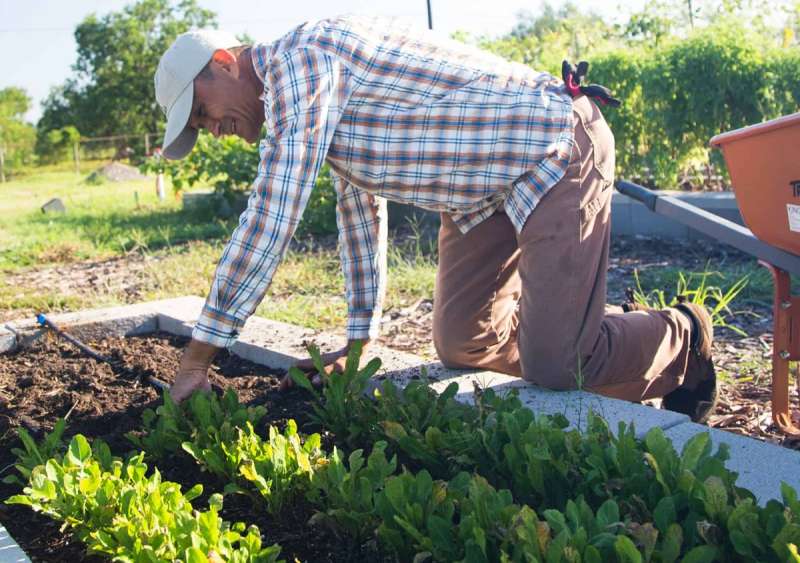
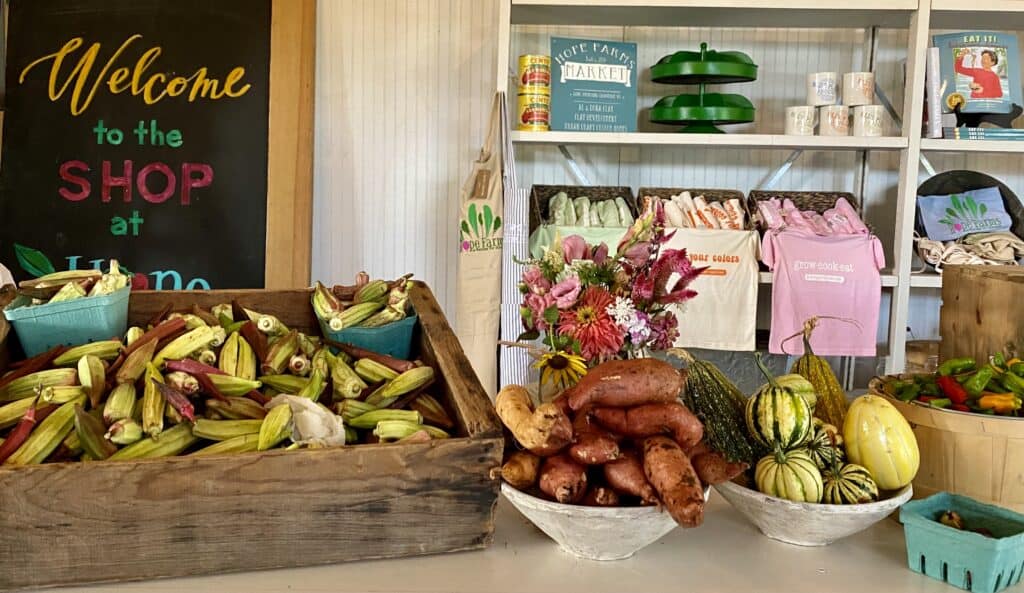
Hope Farms grows organic, affordable produce and offers gardening and healthy cooking classes in Sunnyside, one of Houston’s food deserts. The organization relies on its volunteers for its outreach.
Where are Houston’s food deserts?
Not surprisingly, Harris County, the epicenter of Houston proper, is home to the greatest number of food deserts in the city. In addition to being in the spotlight for health concerns among its residents, it also ranks highest in obesity levels. Two-thirds of adults and one in three children in Harris County are obese, and a study of the map of food deserts shows that the two are inextricably linked.
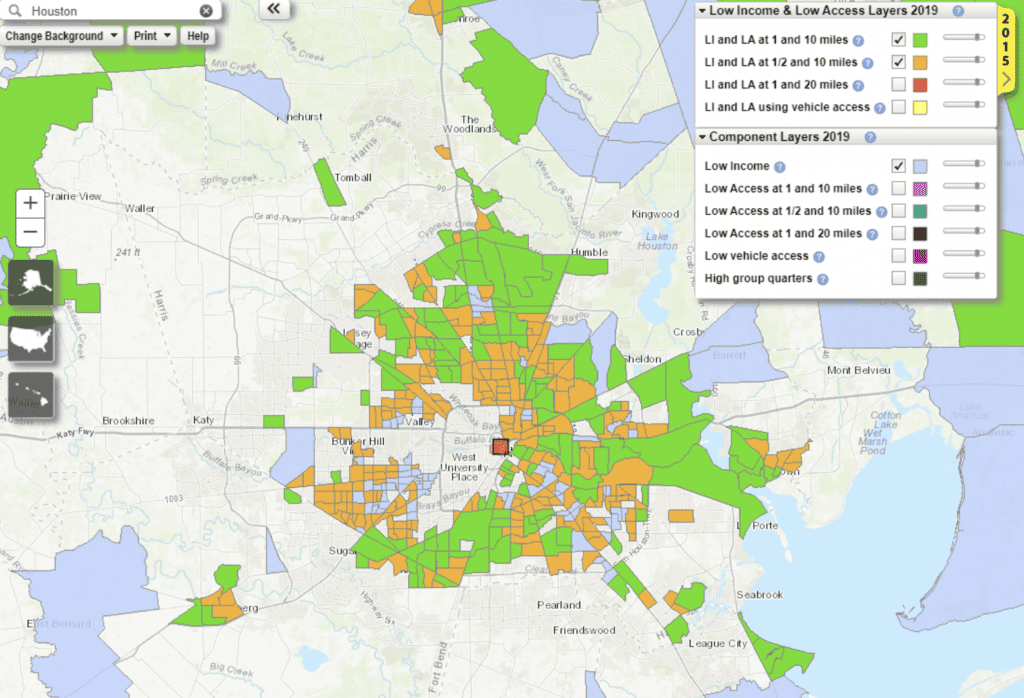
Within this huge city, pockets of Houstonians struggle to access wholesome food. They usually have below-average incomes and restricted or no access to cars.
The green areas on the map represent Houston residents who have no grocery stores within one mile of their homes. Orange designates areas where residents have no grocery stores within a half mile. The USDA Food Access Research Atlas, which produced the map above, notes that these areas are populated by low-income residents, as seen outlined in blue.
A 2023 Feeding America study broke it down this way: The average Harris County resident in these food deserts spends just $3.20 on a meal, and 59% of residents in these food deserts live below the SNAP (Supplemental Nutrition Assistance Program) threshold. That means that their gross monthly income for one person is less than $2,152. For a qualifying single-person housegold, food benefits max out at $298 per month, which does not go far in 2026.
It seems like this problem is personal and contained to one household, but Cavnar says that each household impacts the city as a whole.
“When families juggling multiple jobs or lacking reliable transportation can’t easily put their hands on fresh, nutritious food, the consequences extend far beyond their dinner table,” Cavnar says. “Poor nutrition contributes to chronic disease, drives up healthcare costs, limits educational achievement, reduces workforce productivity, and places added strain on public resources. Those costs don’t stay within one neighborhood. They are borne by the entire community.”
The U.S. Department of Agriculture, which is responsible for identifying major food deserts, has flagged six areas in Houston that meet the criteria. They include Greenspoint in North Houston, Acres Homes in Northwest Houston, Gulfton in Southwest Houston, Sunnyside in Southwest/Central Southwest Houston, and both the Fifth and Second Ward in East/Northeast Houston.
But keep in mind that these are only the “major” food deserts. All of Houston’s wards with the exception of First Ward fall into the food desert category, as do a few other neighborhoods citywide.
A look at Third Ward, one example of a Houston food desert
Third Ward, an area southeast of downtown and within the 610 loop, falls victim to conditions that create food deserts. No major grocery stores means residents rely on corner stores and gas stations, which contain notoriously unhealthy food and snacks, to feed themselves and their families.
Low incomes mean many residents depend on public transportation, making shopping for healthy food even more difficult. This has led to a high rate of diabetes among residents of Third Ward, and a lack of affordable health care exacerbates the problem.
So what solutions have been introduced to help residents of Third Ward access quality food? One particularly creative idea launched self-driving grocery delivery vans known as Nuro Vans to help overcome the problem of a lack of transportation. Nuro partners with Walmart so residents can have reasonably priced, healthier food options delivered to their door. Nuro reports that it can reach 350,000 people living in food deserts in Houston, so it could be a real solution.
It does rely, however, on residents making healthy choices versus opting for processed foods with low nutritional value. So educational programs have been implemented to teach community members about better food options and eating habits.
Other positive solutions to erase Houston’s food deserts
Several other ideas have been brought forth that have proven to ease the strain on families and help them put food on the table.
More grocery stores
Government officials and non-profits are working on incentives to bring large chain grocery stores into more neighborhoods in Houston. It stands to reason that if there’s a grocery store within walking distance, many more people will frequent it.
But money is always an issue, so work is being done to ensure any new stores also accept federal food assistance programs like SNAP and WIC (Special Supplemental Nutrition Program for Women, Infants, and Children).
Increased access to cars and public transportation
Even adding a bus stop to an already established route can make a difference to residents who would happily use public transportation if they could access it. Shuttles, whether provided by the local government or non-profits, would help tremendously.
Houston would also benefit from adopting the Grocery Access Program created by Lyft, which offers discounted rides to grocery stores. The pilot program begun in Washington D.C. was successful enough to expand to several other cities, and a city of Houston’s size would see positive change from a program that alleviates transportation burdens.
Community gardens and farmers markets
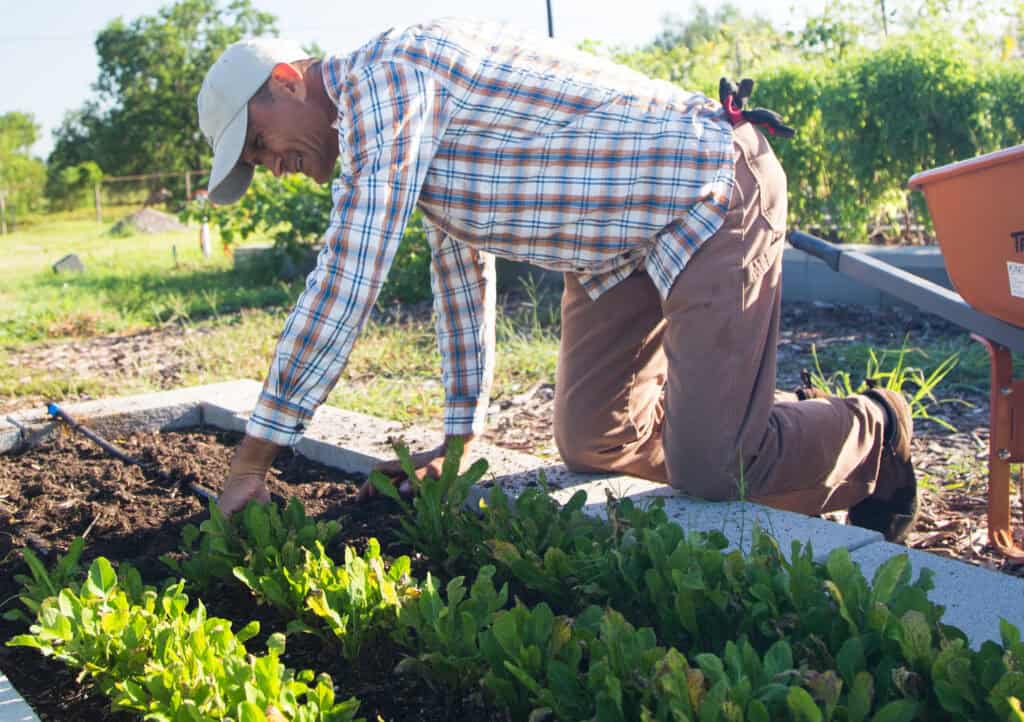
Cavnar’s organization is at the forefront of change in Houston, as it teaches urban gardening skills that turn empty backyards into a nutritional source of fruits and vegetables that can feed entire families. Cavnar believes that healthy eating starts young, so Recipe for Success works with kids to help them make good food choices and develop positive eating habits.
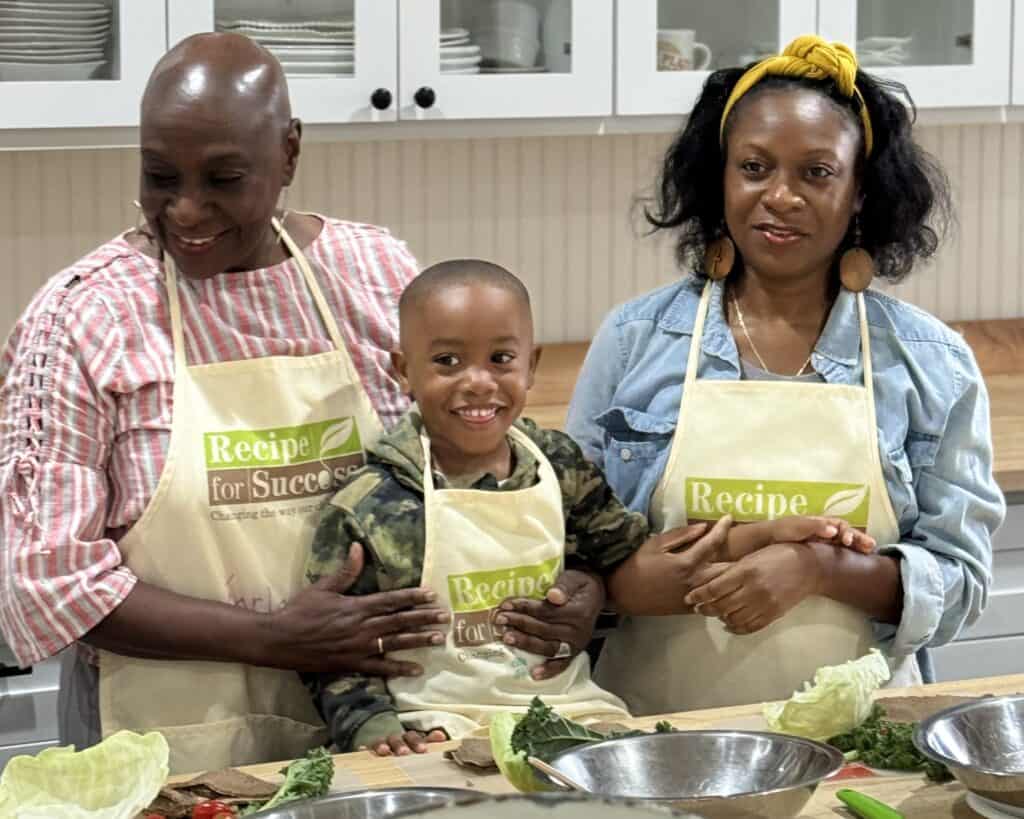
Hope Farms holds weekly farmers markets so that residents of the Sunnyside food desert can access fresh produce. Volunteers even visit community homes to help build backyard gardens and teach residents how to tend them.
The program Urban Harvest also steps in to plant community gardens in areas with food uncertainty and set up farmers markets around the city. They offer free resources and education to families looking to plant their own gardens or learn to farm on a larger scale.
According to Cavnar, a person with the skills and capacity, work ethic, and commitment to farming can pull a $50,000 net income off of less than three acres of land, so taking the time to learn to farm can pay off in both higher income and self-sustainability.
“When we ensure that healthy food is accessible to all our neighbors, we invest in healthier children, stronger families, a more productive workforce, and lower long-term public costs,” says Cavnar. “Healthy people build stronger cities.”

This article first appeared on Good Info News Wire and is republished here under a Creative Commons license.