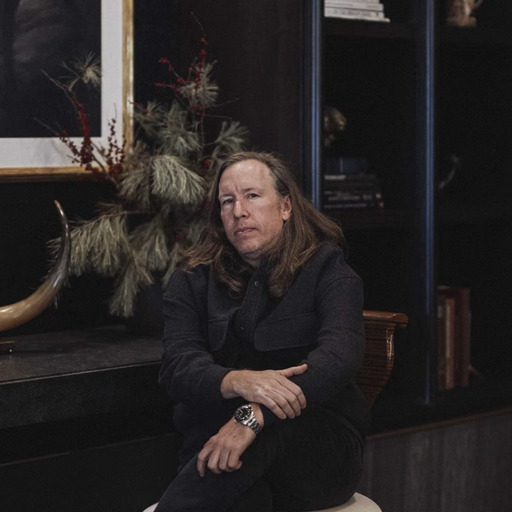
Jim Golgart wants to live to be 100. At 65, the retired Army veteran has already decided where he plans to spend many of those winters — the Rio Grande Valley.
“In Minnesota, you hardly saw your neighbors, because you’re stuck inside,” Golgart said. “It’s cold, it’s 20 degrees below zero. You got 10 inches of snow on the ground.”
He and his wife, Lucy, typically arrive in the RGV, around the end of September and stay through mid-April. Golfing, biking, birding, dancing, trips to Progreso, and visits to South Padre Island are all part of the lifestyle they’ve built. And they aren’t the only ones.
For generations, so-called “snowbirds” have headed south when temperatures drop across the northern US and Canada. But in the RGV, those seasonal visitors are called “winter Texans.”
A 2021-22 UTRGV survey for Welcome Home RGV estimated that close to 53,000 winter Texan households came to the Valley that season, and stayed an average of about three months.
Escaping the cold isn’t their only motivation. Even though climate was cited as a reason by 84% respondents, the friendly people (65%) and affordable cost of living (65%) were also key factors. Medical care, proximity to Mexico, and access to the beach were additional draws.
For Kristi Collier, founder of Welcome Home RGV, those findings reflect what she’s seen for nearly two decades.
She described the Valley as a place where seasonal retirees can build a “home away from home,” particularly within RV and retirement communities that organize daily activities and social gatherings.
The people brought them back
Golgart first visited the Valley roughly 20 years ago. Lucy’s parents had long spent winters here.

Then, after serving 20 years in the Army and another 20 years working with veterans in Minnesota, Golgart and his wife sold their home and began RVing full time. In 2020, they spent their first full winter in the Valley, settling in Alamo, near Lucy’s mother.
During their first season here, they met a local couple who Golgart said welcomed them immediately, told them about places to visit, and helped them navigate the area.
“It’s the people like that,” he said. “They just welcome you into the community, and I knew right then and there I was coming back.”
Affordability still gives South Texas an edge
The RGV also remains attractive because of its cost. Golgart said he has friends who spend winters in Arizona, and has considered other destinations, but he believes the Valley continues to give him more for his money.
At Paradise Resort Estates, a 55-plus retirement and RV community in Pharr, he said he pays about $600 a month for his lot. He estimated that a comparable lot in Florida could be pricier. And he’s right. Senior resorts like Yankee Traveler RV Resort in Largo, FL list a monthly peak-season rate of $1,275, plus electricity, while The Tides in Palmetto, FL lists January through March monthly rates ranging from $3,472 to $3,798, depending on site type.
The UTRGV survey found that 57% of respondents owned a mobile home, while 35% lived in their own RV or home. Others stayed with friends or rented accommodations.
But Collier says newer retirees may be changing how they travel to the Valley. She has seen more people opt for something different.
“People are wanting more of a fully furnished rental instead of, you know, driving their travel trailer or motor home down,” Collier said. She has seen a growing interest from newer retirees to dump the high maintenance motorhomes and prioritize ease.
That shift has helped make South Padre Island more attractive to seasonal retirees because of its inventory of furnished condos. RV communities, meanwhile, are adding park models—small, furnished units designed for longer stays–and mobile homes to meet demand for turnkey rentals.
Collier estimated that roughly 80,000 to 120,000 Winter Texans may visit South Texas in a typical year, although she cautioned the number is likely higher, because some retirees now stay in condos or other housing that are harder to track than traditional RV parks.
A billion-dollar economy booster

The winter Texan economy extends far beyond housing. The UTRGV study estimated that their households spent an average of $15,600 during their stay. The seasonal guests help generate nearly $1.9 billion in regional economic impact and supported more than 10,000 jobs, during that survey period.
The impact can be substantial for small businesses. Debbie Fitzgerald, co-owner of Don-Wes Flea Market in Donna, told KRGV in December, that winter visitors account for at least 50% or 60% of the market’s revenue, adding that its vendors depend on that seasonal traffic.
“I believe the entire Rio Grande Valley depends a great deal on the support they bring each season, and our business at Don Wes certainly does,” the business told Courier Texas. “Busy restaurants and shops mean business for our community.”
For Collier part of her work is helping connect Winter Texans with local shops and stores.
“Small businesses are able to stay open because of the winter market,” she said. “They do well during the summer, but wow, it’s the winter business that really helps carry that torch.”
The next generation may look different
The challenge now is not only attracting a new generation of Winter Texans. It’s whether that generation can actually afford the same kind of retirement their parents did.
Golgart said he already notices differences among people his age. Many are still working, sometimes because they need health insurance. Others don’t seem as interested.
“You just don’t see the people of my age traveling like my parents did or like my wife’s parents did,” Golgart said.
National data points to a broader shift. Nearly one in five Americans age 65 and older remained in the labor force in 2025, up from 12.9% in 2000, according to the US Bureau of Labor Statistics.
Retirees are also feeling the squeeze from rising healthcare costs. The standard Medicare Part B premium rose to $202.90 a month in 2026, up from $185 the year before. And while Social Security benefits increased 2.8% to help keep pace with inflation, that meant only about $56 more a month for the average retired worker.
Collier said she is already seeing those burdens reshape the winter Texan lifestyle. Some retirees are delaying retirement, shortening their stays or continuing to work remotely while spending time in South Texas.
Instead of settling in one place for an entire season, Collier said, a newer retiree may spend six weeks in the Valley, then move on to Arizona or Mexico.
“They’re trying different places,” she said.
The expectations inside retirement communities are changing, too. Collier said younger retirees are less interested in volunteering to keep park activities running. As a result activities are canceled, because there’s fewer people willing to organize or staff them.
She said the newer generation wants more of a full-service experience, furnished accommodations, turnkey options, and activities that don’t require much behind the scenes.
“They come to have fun, not to work,” Collier said.
That shift creates a challenge for the industry. RV parks and retirement communities may need upgraded housing, amenities and programming to stay competitive, but Collier said those improvements can be expensive.
She also worries the Valley may not yet recognize what’s at stake. If fewer retirees can afford to spend three to six months in South Texas, or if they spread their winter travel across several destinations, the region could lose some of that seasonal spending that supports local businesses and tourism.
Collier said the Valley may need to do more to compete for the next generation of retirees, including stronger marketing, support for RV resorts, tax incentives, and grants.
Welcome Home RGV is doing their part, they now work with 167 retirement communities from South Padre Island through the western Valley, organize travel and experiences, publish a seasonal newspaper, and hosts the Winter Texan Expo. Collier said the organization’s larger goal is not only to attract visitors, but to eventually turn some of them into what she calls “converted Texans” — a once seasonal visitor who decides to become a permanent resident.
The UTRGV study found 26% of respondents already identified as converted Texans. Golgart has not made that conversion, at least not yet.
He and Lucy still spend their summers traveling the country in their motorhome and visiting their two sons and six grandchildren.
But each winter, they’ll be back. How many more years? Golgart did the math.
“I am 65 years old. You will see me 35 more years.”