Rising costs, federal policy, and shifting consumer habits have created a perfect storm for one of the state’s most vital industries.
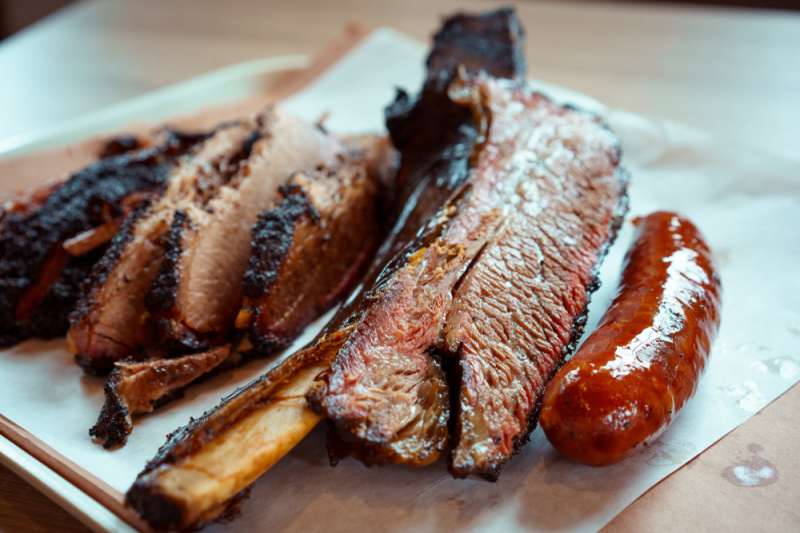
Picos, a Houston institution for 44 years, has closed. New York Sub, a Dallas landmark for more than half a century, is gone. Beloved Dolli’s Diner in Nacogdoches shuttered after a decade, despite long lines and community outcry. The list goes on, and it keeps growing. Not even our barbecue joints are safe.
Across Texas, restaurants that survived recessions, hurricanes, and a global pandemic are now closing at an alarming rate. They’ve been done in by a combination of forces that industry leaders say is unlike anything they have seen: rising food costs, President Donald Trump’s punishing tariffs, a labor force disrupted by Immigration and Customs Enforcement (ICE), and consumers—facing economic headwinds of their own—who are simply spending less.
According to the National Restaurant Association, half of all Texas restaurant operators failed to earn a profit in 2025. In the third quarter of last year, The Texas Restaurant Association reported 88% of Texas restaurant owners had higher food costs, while 66% are experiencing rising labor costs and 52% have seen a decrease in customer traffic.
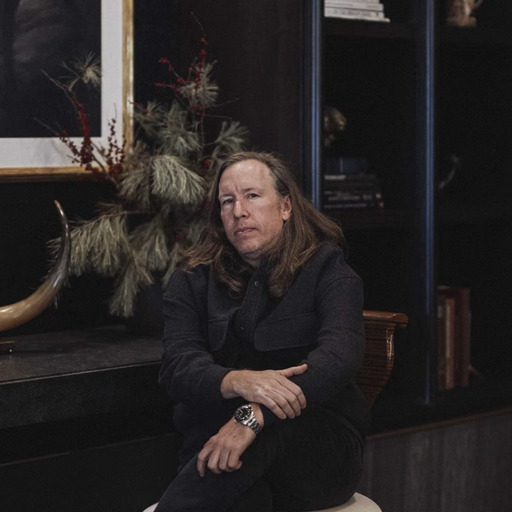
Jonathan Horowitz has watched it unfold from the front row. A former president of the Houston Restaurant Association and past chair of the Texas Restaurant Association board, Horowitz jumped head first into the industry in 2005, and has done “literally everything in the lifecycle of a restaurant.” Today he runs a restaurant consulting and real estate brokerage firm. The calls he’s getting tell the story of the industry in a single data point.
“Right now the inquiries are 5-to-1 in favor of ‘Get me out of this,’” he told Courier Texas. “‘How do I sell? How do I get out of this business?’”
Benjy Mason knows the feeling from the inside. A Houston chef and operator who came up through some of the city’s most respected kitchens before opening his own places—Johnny’s Gold Brick, Winnie’s, Starduster Lounge, and the much-ballyhooed Shredders Pizza—Mason has spent his career watching the economics of the industry shift beneath his feet.
Unless you’re a high-end restaurant with exorbitant prices and a clientele with deep pockets or a fast food restaurant with tremendous scale and purchasing power, restaurants, he said coldly, are “just not a sustainable business model anymore.”
That model, both Horowitz and Mason agree, began breaking during the pandemic, which fundamentally restructured the industry.
“It has never in the history of the universe been easy to run a restaurant,” Horowitz said. “Then COVID happened.” The industry overall, he told Courier Texas, is slow to change. What, in the past, might have taken a generation, “COVID did in about a year. And the industry doesn’t know how to react to that.”
Among the forces that have reshaped the business since 2020: a dramatically altered labor force; a technology explosion driven by third-party delivery and online ordering; a cash-strapped and busy consumer who now prioritizes speed, convenience, and value; and an inflationary economy that has driven up every cost of doing business.
”Literally every single input that goes into running a restaurant has increased significantly over the past few years,” said Horowitz.
Food and labor costs for the average restaurant have increased 35% over the last five years nationally, while average menu prices climbed 31% between February 2020 and April 2025. In an industry with razor thin margins—3% to 5% on average for full-service restaurants—the numbers aren’t adding up.
Mason has watched his own margins erode in real time—still viable, but only through relentless attention to costs. For operators already running closer to the edge to begin with, that kind of compression is fatal.
“Literally every single input that goes into running a restaurant has increased significantly.”
What separates the current crisis from previous downturns is the degree to which federal policy is driving costs higher on multiple fronts simultaneously.
Tariffs imposed by the Trump administration have hit restaurant supply chains hard, with nearly 90% of Texas restaurants reporting cost increases as a result.
Mason sees it every time he walks into a supplier. “I was just at Restaurant Depot today and I was like, ‘Holy shit, this case of totally unrippened, gross tomatoes is twice as expensive as it was,’” he said. “Anything coming from out of town or from overseas is getting more expensive. Our fuel surcharge is triple.” In the face of tariffs, Mason says, he’s seen the prices of plasticware and produce from Mexico like limes and avocados increase substantially.
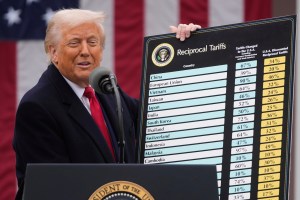
Unlike the tariffs themselves, the price increases tend to stick, including for wholesale restaurant food distributors. “What happens is we suck up those price increases and they never really go back down,” Mason said. “Sysco isn’t dropping the price even when they get the tariffs refunded. Our plasticware still costs the same.”
If tariffs are squeezing costs on the supply side, immigration enforcement is hitting the labor side—and the customer side—simultaneously. Nearly one in four hospitality employees nationally are immigrants. In Texas kitchens, that share can go up to one in three in some major cities. In 2025, 19% of Texas restaurant operators indicated they have lost employees.
As in the residential construction industry, increased activity on behalf of ICE can send a chill through restaurants, causing severe labor shortages, staff fear, and reduced customer traffic.
“As recently as a few days ago, a bar owner I know was like, ‘I gotta go work all these barback shifts,’” Mason said. “All three of his barbacks got deported.”
The closures don’t just hurt the owners. Every restaurant that shuts its doors takes vendors, suppliers, farmers, and service workers down with it. The Texas restaurant industry employs more than 1.4 million people. When the margins collapse, the damage spreads beyond the dining room.
“As dire as it all seems, it’s still a great industry,” Horowitz said. “People love to go out and eat. They celebrate, they mourn. It’s social. It’s part of the fabric of communities. It is just really tough from a business perspective. Really, really tough.”