By now you’ve no doubt seen the headlines: Corpus Christi is facing a severe water crisis. Texas needs $174 billion over the next 50 years to avoid its own crisis statewide as it runs out of water. Rivers and streams are slowing. The Ogallala Aquifer is depleting. Drought grips nearly every corner of the state.
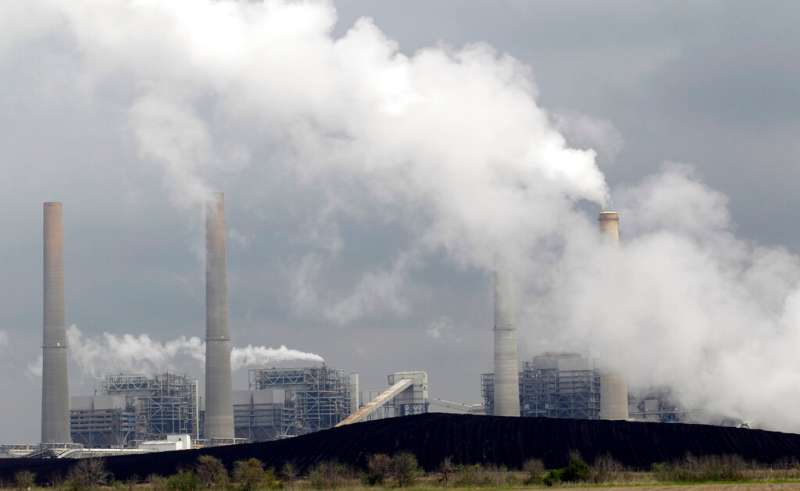
At the heart of it: Texas coal and gas power plants.
That is the central finding of a new report from the Sierra Club, “Watts Wasting Texas Water,” which analyzed water consumption data from the US Energy Information Administration and dug through Texas water rights records to paint the most complete picture yet of how much water the state’s fossil fuel plants are using—and how much they are legally entitled to use.
Through a painstaking analysis of Texas Commission on Environmental Quality water rights records, Sierra Club researchers found Texas coal plants have legal rights to consume 116 billion gallons of water every year from the state’s rivers, creeks, and aquifers—and seven coal plants alone have rights to store 98 billion gallons in private reservoirs. These are water rights granted by the state, and they belong to the utility companies in perpetuity.
“The Texas government gave these companies a claim to our waterways, changing Texas rivers and creeks forever, to capture billions of gallons every year, for free,” the report states. “For utility companies, this means significant profits and little incentive to conserve water.”
The report zeroes in on three plants as case studies in how the system works—and how badly it has gone wrong.
NRG’s W.A. Parish plant in Fort Bend County holds rights to consume 40 billion gallons of Texas water per year. The reservoir it uses, Smithers Lake, is entirely off limits to the public. Fort Bend County is currently in a severe drought.
Luminant’s Martin Lake plant in East Texas sits on a reservoir created by damming a Sabine River tributary in 1971. Luminant maintains the right to import “an unspecified amount of contract water from any source” to feed the plant. The surrounding counties are in severe to moderate drought.
The Fayette Power Plant outside La Grange, co-owned by the Lower Colorado River Authority (LCRA) and the City of Austin, has rights to consume a combined 31.8 billion gallons from the Colorado River per year. Most of Fayette County is currently in extreme drought. The region is expecting water shortages as high as 103 billion gallons—yet the LCRA refuses to commit the plant to retirement. “A 1,000-page regional water plan for the area mentions renewable energy, which uses negligible amounts of water, exactly zero times” the report states.
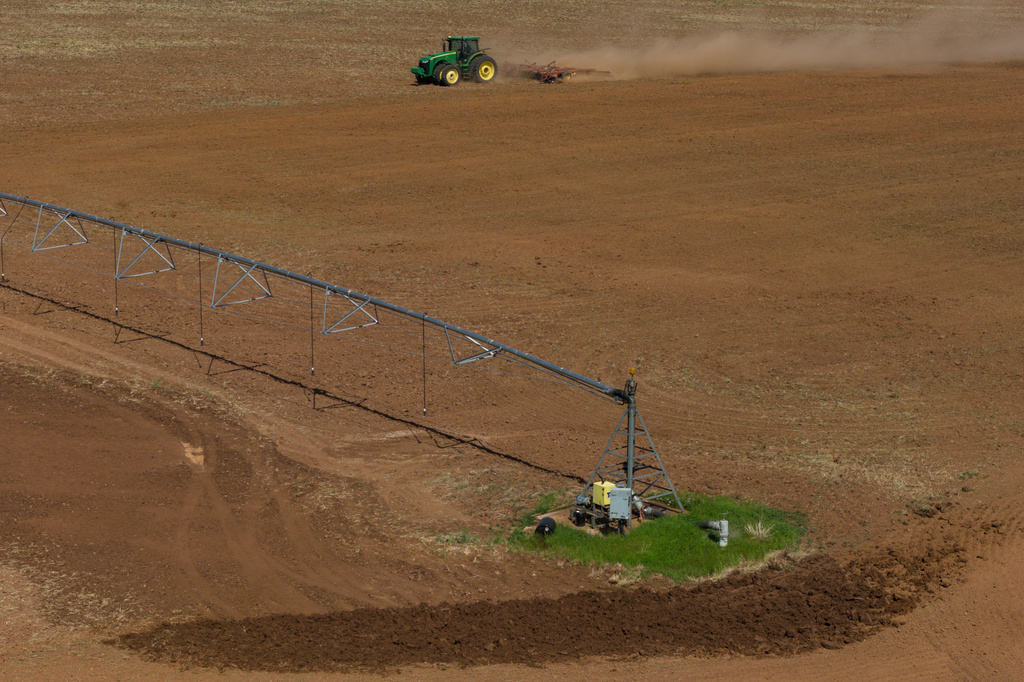
That last detail captures what the Sierra Club report identifies as the core failure of Texas water planning: the state is spending billions of dollars on expensive, time-consuming solutions—desalination plants, inter-basin pipelines, new reservoirs—while almost entirely ignoring the water savings available from transitioning fossil fuel plants to renewables.
The report comes at a moment when the pressure on Texas water is intensifying from multiple directions. The AI-driven data center boom is driving massive new electricity demand, which the Trump administration and state leaders are proposing to meet largely with new gas plants—each of which will require significant water of its own. The report notes that Texas’ 400-plus data centers consumed 8 billion gallons of water for cooling in 2024—a number that will grow sharply as facilities multiply. Coal consumed more than four times that amount.
“Texas risks losing billions of gallons of water savings every year if coal plants remain open and we continue building so much new gas,” the report warns.
The Sierra Club offers recommendations to the 2027 Texas Legislature, including a conversion to the renewable energy it already leads the country in producing, along with taking many old plants offline. It’s also calling on utility companies themselves to transition to renewables.
You can download the Sierra Club’s full “Watts Wasting Texas Water” report here.