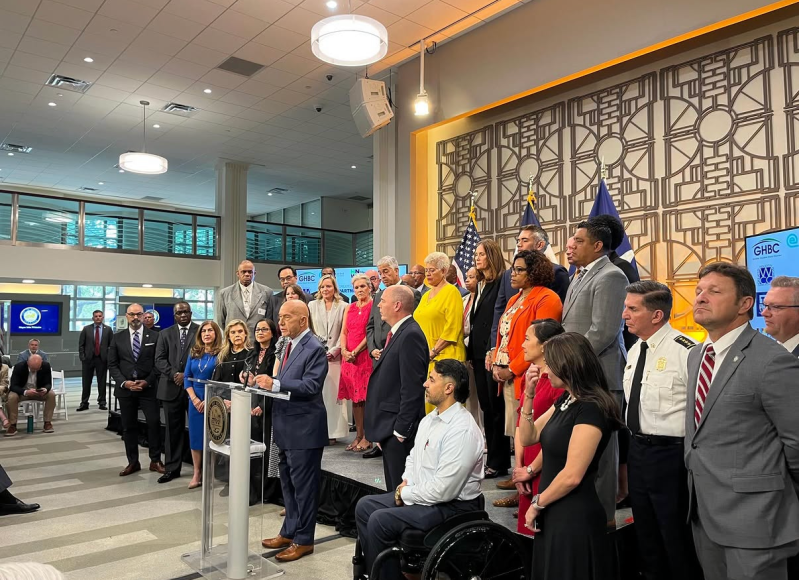
Houston Mayor John Whitmire has released the FY 2027 Proposed Budget as the city works to close a $174 million financial shortfall, outlining a plan that builds on his administration’s progress while prioritizing a more stable future for Houston. The proposal protects key services, including public safety, parks and libraries, neighborhood programs, and the municipal court system.
The budget plan includes designating the Solid Waste Management Department as a municipal utility and implementing a five dollar per month administrative user fee to better align with the actual cost of service while supporting long term fleet needs, staffing, and overall reliability. City officials say this fee is expected to rise to 25 dollars in the coming years.
“Under my administration, we have tightened our belt, improved efficiency, and reduced year-over-year spending for the first time in decades. But efficiency alone is no longer enough,” said Whitmire. “This year’s budget introduces a modern, sustainable approach to funding core services, protecting the programs that Houstonians rely on without raising property taxes.”
The budget outlines several key priorities, including preserving all city services and avoiding layoffs, backed by $12 million in efficiency savings achieved without reducing service levels. It also funds five police cadet classes and 11 fire cadet classes, while directing an additional $31 million from the general fund to strengthen the city’s drainage system.
However, Houston City Controller Chris Hollins raised concerns about how some of the funding shifts could impact essential infrastructure.
“$100 million is being transferred from the water system to the general fund—money paid by residents through their water bills and intended for system maintenance,” said Houston City Controller Chris Hollins. “That leaves two possibilities: either residents were overcharged—which I don’t believe, given the rate studies or critical infrastructure investments are now being deferred to cover general expenses.”He added, “When the mayor says this transfer won’t raise costs, or downplays the garbage fee and its future, what he’s really saying is: let’s get past next year’s election and hope this doesn’t become a problem before then.”
District D Council Member Carolyn Evans‑Shabazz said she supports trash fee, but acknowledges it can affect some residents.
“Well, comparatively speaking, $5 is not much, but it can make a difference when people are seniors and on fixed incomes. So we’re very cognizant of that. But certainly it’s important that we are able to provide the core services to the people in the city,” said Evans-Shabazz. “I will support it. But along with receiving those funds, there comes a responsibility that the service must become better so that people don’t have to be plagued with missing trash and things that are not being taken care of in their neighborhoods.”
Another new proposal: The Right‑of‑Way Rental Fee, administered through the Combined Utility System, charges water and wastewater utilities for use of the public right‑of‑way—functioning much like a franchise fee. Revenue from this fee supports core city services, including public safety, libraries, parks, municipal courts, and multi‑service centers. This approach is standard in major cities such as Dallas, Austin, and San Antonio, aligning costs with services and strengthening long‑term budget stability.
“Everything I’m talking about is just the beginning, and it’s going to get better in future years. This budget plan represents financial security for the city of Houston,” said Whitmire. “It’s the health of the city’s finances. We are not kicking the can down the road in my administration.”