Hey y’all!
I hope you’re enjoying your Wednesday afternoon. Today, we’ll take a look at a recent win in the fight against Texas’ diversity, equity, and inclusion ban in public schools.
We’ll also dive back into further attacks on academic freedom and free speech on higher education campuses in the state, this time at the University of Texas.
If you missed last week’s edition, check it out here.
Before we get into it, don’t forget you still have three more days to early vote in the primary election! Election Day is March 3. Click the banner below to find your polling site and check your registration status.
|
|
|
Judge blocks 3 Texas school districts from enforcing DEI ban
|
|
|
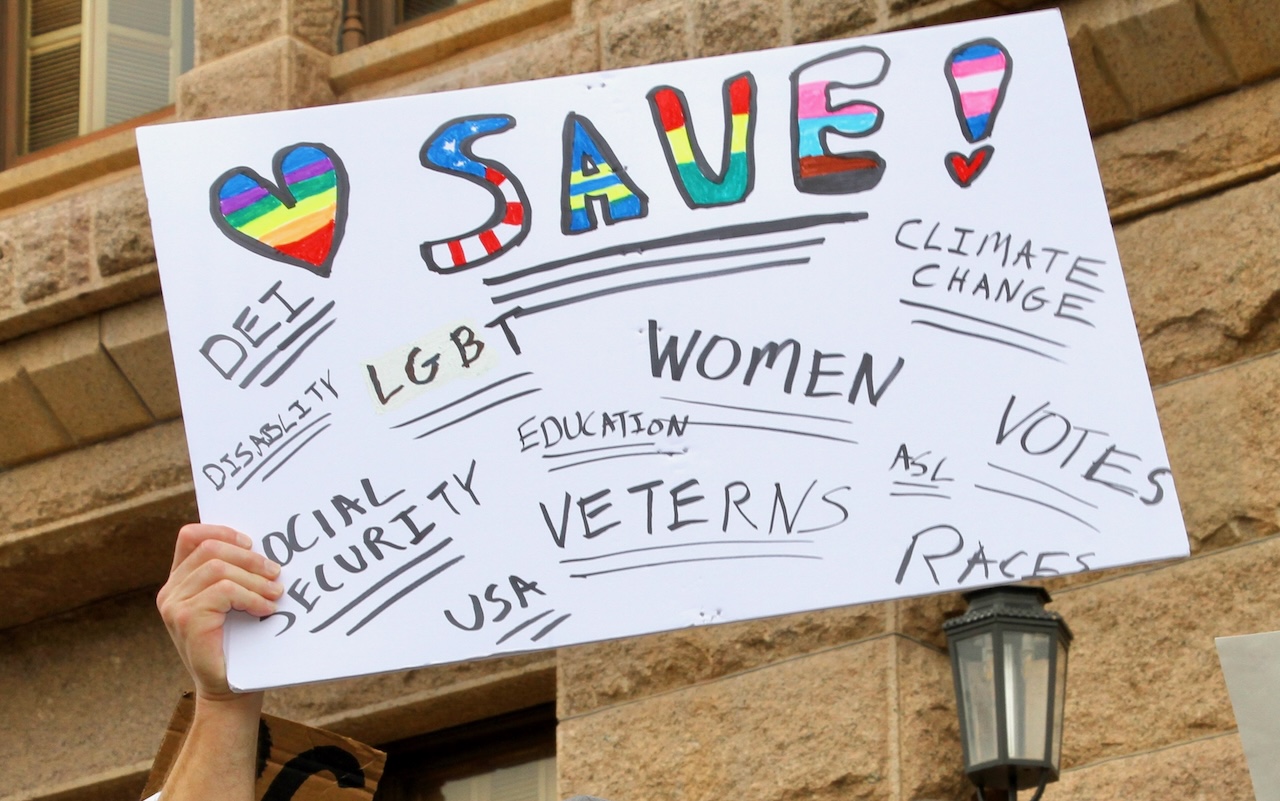
A federal judge has temporarily blocked three school districts in Texas from enforcing parts of Senate Bill 12, a new state law that went into effect on Sept. 1 and bans diversity, equity, and inclusion initiatives in K-12 public schools.
In August, the ACLU of Texas, the Transgender Law Center, and Baker McKenzie filed a lawsuit on behalf of the Genders & Sexualities Alliance Network, Students Engaged in Advancing Texas, the Texas American Federation of Teachers, a teacher, and two students, arguing that SB 12 violates the First and Fourteenth Amendments, as well as the Equal Access Act.
The law prohibits school districts from authorizing or sponsoring student clubs based on sexual orientation or gender identity.
It also prohibits teachers from using they/them pronouns and requires that students are only referred to by the name given to them at birth; prevents schools from developing or using policies that reference race, ethnicity, gender identity, or sexual orientation; and bans them from using DEI as a factor in hiring decisions.
In December, the plaintiffs of the case sought a preliminary injunction to block these key aspects of the law from taking effect while their case makes its way through court, and on Friday US District Judge Charles Eskridge ruled that the three districts named in the lawsuit can’t enforce four sections of the law.
|
|
|
University of Texas censors ‘controversial’ topics in class
|
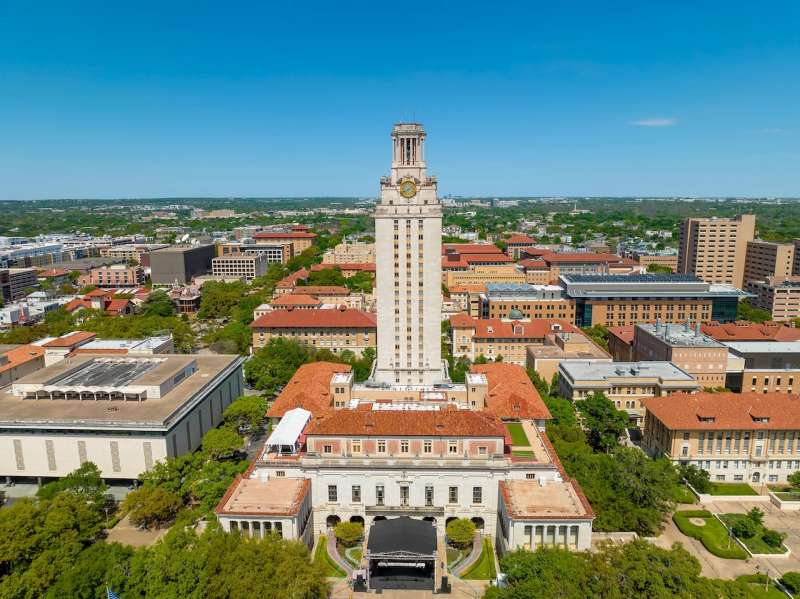
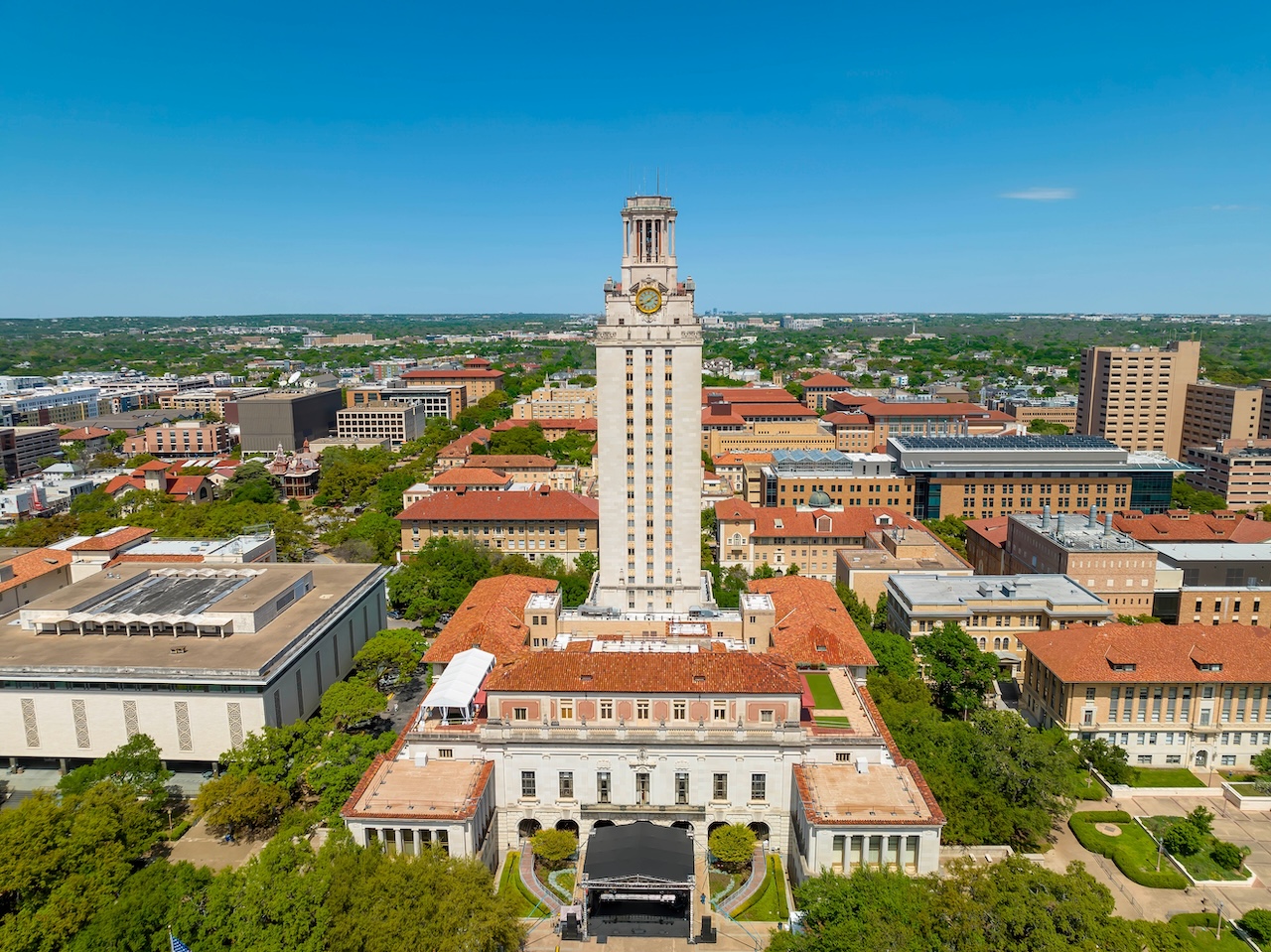
The University of Texas System’s Board of Regents voted unanimously to implement a new rule that limits “controversial” course content in classrooms.
The new rule is meant to allow students to graduate without studying “unnecessarily controversial subjects,” “foster welcoming class environments,” and “omit controversies that are not relevant to the course.”
It also requires faculty to include the topics they plan to teach in their syllabi and follow that plan throughout the course, echoing similar restrictions recently implemented at Texas A&M University and Texas Tech University.
If courses include controversial subject matter, instructors are directed to take a “broad and balanced approach” to classroom discussions under the new rule. As a result, they are prohibited from attempting “to coerce, indoctrinate, harass, or belittle students, especially in addressing controversial subjects and areas where people of good faith can hold differing convictions,” the policy reads.
However, the policy doesn’t define what topics are considered “controversial” or detail what a “broad and balanced approach” is.
|
|
|
🪧Why Texas students keep walking out of class: Students from over 60 middle and high schools across the state have participated in walkouts during school days to protest US Immigration and Customs Enforcement this past month, and the movement only seems to be growing. (Texas Monthly)
✊More professors are joining teacher union amid academic freedom attacks: Roughly 800 faculty, staff, and graduate students have joined the American Association of University Professors, which is part of the American Federation of Teachers, since a professor at Texas A&M was fired in September for teaching LGBTQ+ topics in class. (Houston Chronicle)
🤖University of Texas will open a new school aimed at boosting AI research: Last week, the University of Texas Board of Regents approved the creation of the School of Computing, which will open on campus in Fall 2026 and “further strengthen pathways to high-impact careers, graduate study and research leadership” and “strengthen technology across the country.” (KVUE)
|
|
|
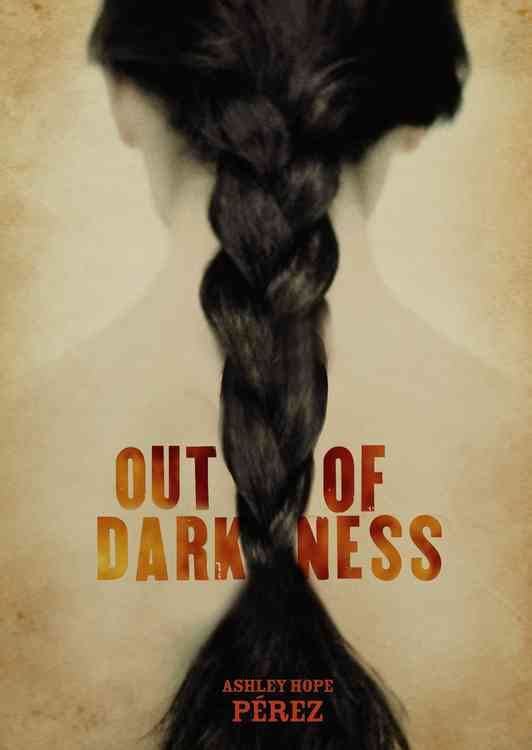
Throughout February, the Texas Banned Book Club read “Out of Darkness,” a coming-of-age novel about the relationship between a Mexican-American girl and a Black boy set in 1930s East Texas.
If you followed along, I hope you found this novel as insightful as I did. While you wrap up your reading, here are some final questions to ask yourself:
1. What does the ending suggest about whether justice is possible in an unjust system?
2. What was gained by telling this story and history of East Texas through young people’s experiences?
3. Why do you think this book has been challenged or banned, particularly in Texas? What truths does it force readers to confront?
|
|
|
|
Would you recommend this newsletter to your friends and family?
|
|
|
Do you or your company want to support The TexEd Report’s mission and reach your audience in Texas?
Contact advertise@couriernewsroom.com for more information.
|
|
|
Thanks for reading. This newsletter was written by Katie Serrano. The TexEd Report is happily free to read for everyone. Your financial support means a lot to us. Donate here.
Was this email forwarded to you? Sign up now to get upcoming newsletters in your inbox.
Send your feedback and news tips to katieserrano@couriernewsroom.com.
|
|
|
Our mailing address is:
COURIER DFW / COURIER Newsroom
611 Pennsylvania Ave. SE
Washington, DC 20003-4303
|
|
|
|