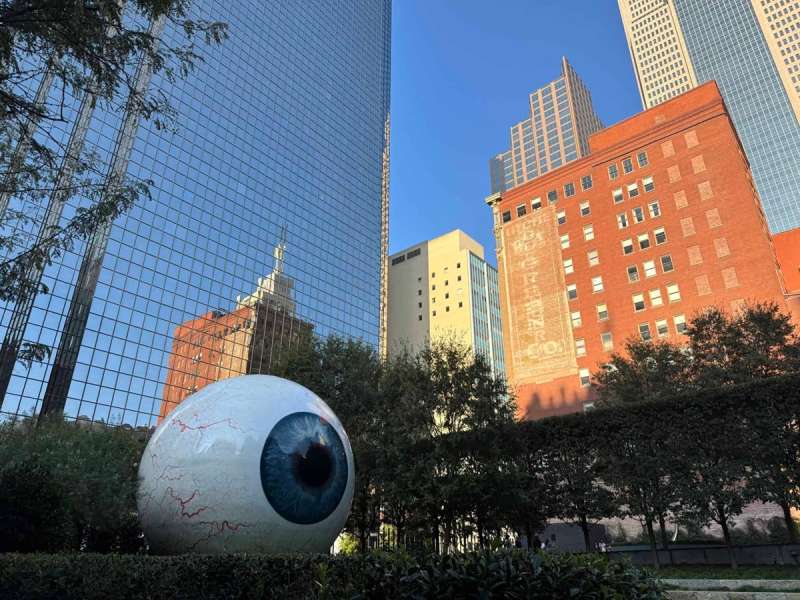
From 2020 to 2025, nearly 200,000 people moved out of Dallas. Last year, the city’s population declined for the first time since the COVID-19 pandemic. There are still about 1.3 million residents across Dallas, but a steady stream of departures has been a trend.
Though Dallas offers plenty to do, some residents are wondering whether that offsets the cost of living.
How the cost of living has increased in Dallas
In any city, the buildings where people live are a major component of expenses. Rent often rises when a lease renews, and homeownership feels less attainable for an increasing number of residents. The all-in monthly payment for a home in Dallas-Fort Worth—which includes mortgage principal and interest, property taxes, homeowners insurance, and mortgage insurance—rose 76% from Feb. 2021 to Feb. 2026.
That’s more than any other Texas metro and well above the national average. In Dallas alone, the income premium to afford a typical home over a typical apartment is 70.8%, far higher than the 46.3% national average, per data from Zillow and the U.S. Census. In other words, a household living in an apartment needs to earn nearly 71% more money to be able to afford a house.
Utilities are more expensive in the Dallas area, too. DFW saw a 17.4% energy increase from Sept. 2025 to 2026, leading to higher electricity and gas bills, as well as higher prices at fuel pumps. Energy Innovation projects federal energy policy changes will cost Texas households an additional $96 billion through 2040, raising annual household energy spending by about $700 in 2040.
An October 2026 report, “Exploring The Texas Housing Market: Conditions, Constraints and Capacity for Development,” dove further into these issues. It found three statewide challenges that are also regularly impacting Dallas:
- There’s a lack of supply, with falling permits, construction regulatory barriers, and a shortage of about 306,000 homes across the state.
- Government regulation makes up nearly a quarter (23.8%) of a new home’s price and over 40% of multifamily costs.
- Property taxes have increased at a much higher rate (364% since 1998) than population and inflation.
Dallas also gained around 100 corporate headquarters from 2018 to 2024. While that brought an influx of jobs to the area, it also impacts property costs. That can create a ripple effect, pushing other businesses to raise prices to keep up with rising rent and supplies.
Meanwhile, hop into any Dallas-resident Reddit thread, and you’ll see an influx of laments around insurance. The numbers back it up, too. Since the pandemic, Texas’s insurance burdens have skyrocketed, increasing at double the rate of the U.S. median. Amarillo and Dallas-Fort Worth are the two metros with the highest median insurance burdens.
Add all of these costs up, and it’s no surprise that Dallas residents are considering other options.
Affordable alternatives
While most Dallas residents are staying in the city proper, others are looking for alternative options that don’t hurt their wallets nearly as much. Many are staying in the DFW suburbs or within the Lone Star State’s boundaries; others are seeking greener pastures elsewhere in the country.
Fort Worth
One city Dallasites are headed to is just a quick (or slightly less quick, during rush hour) jaunt west on I-30. Fort Worth’s median home price is about $37,500 less than Dallas’s, while a three-bedroom rental costs nearly 30% less. Utilities, transit passes, groceries, and gym memberships are also typically cheaper.
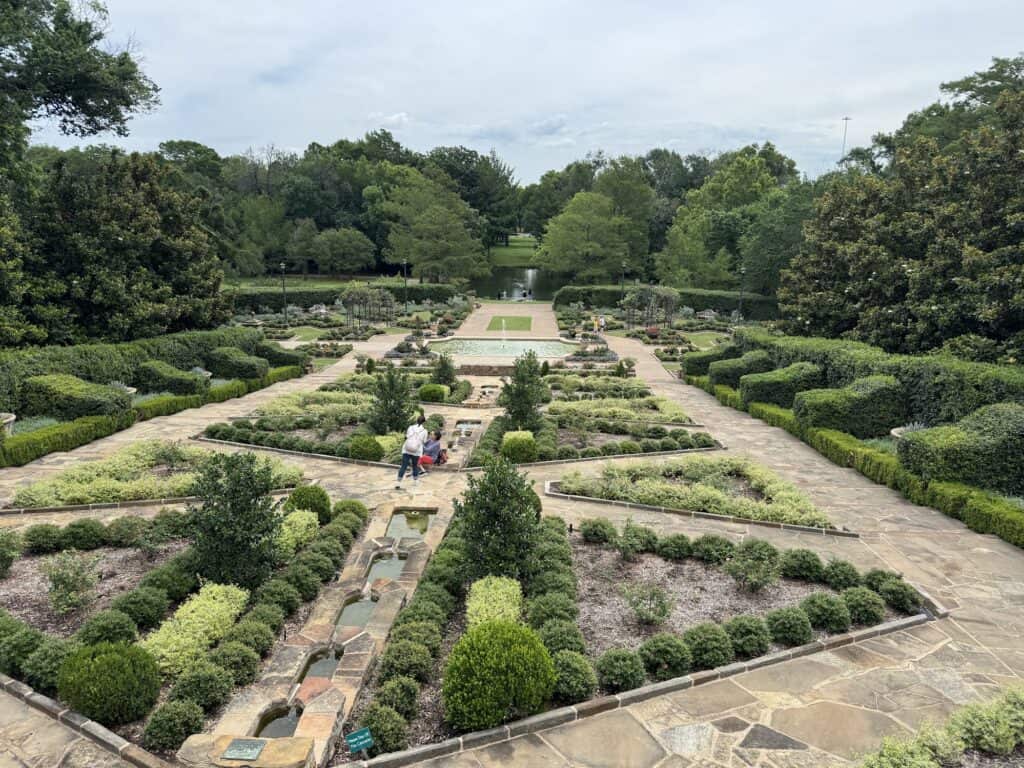
And there’s still plenty to do. The Fort Worth Botanic Garden regularly hosts unique pop-up exhibits, the Fort Worth Water Gardens are one of the coolest sights in the state, and the Benbrook Stables are like living in a real-life Western movie, only with much less fighting. Families will get plenty of mileage out of a Fort Worth library card, which offers educational kits for students, a LaunchPad college program, backyard games, free music, and videos and instruments to check out, all for free.
Sports fans also benefit, since Fort Worth is even closer to Arlington than Dallas. Fans of the Texas Rangers or Dallas Cowboys can support their teams even more easily. And in 2027, six games in the first and second rounds of the NCAA Tournament will be held at Dickies Arena, home of the TCU Horned Frogs. Since there are often several Texas-based teams in March Madness, chances are good that at least one will wind up in Fort Worth.
North Suburbs
Most Dallasites would prefer not to leave the Lone Star State if they can help it. The bad news is that Dallas proper is pricing out some residents. The good news is that the surrounding suburbs, especially within a 50-mile radius north of the city, are steadily growing and building new homes for families and workers, while adding exciting things to do.
Here are five blooming suburbs that don’t seem to be slowing down anytime soon:
- Princeton: It wasn’t too long ago that Princeton was the fastest-growing city in the entire United States. Over a 12-month span from July 2023 to July 2024, Princeton’s population boomed by 30.6%. That growth has slowed a bit, but with draws like Sister Grove Park and Lake Lavon, nature lovers are finding lots to enjoy in the city.
- Celina: Since the 2020 Census, Celina has seen a 285% population increase, growing at an annual rate of 14.07%. The Historic Downtown Square is home to several charming shops along a brick road, while the Tender Smokehouse is co-owned by former MLB player Torii Hunter.
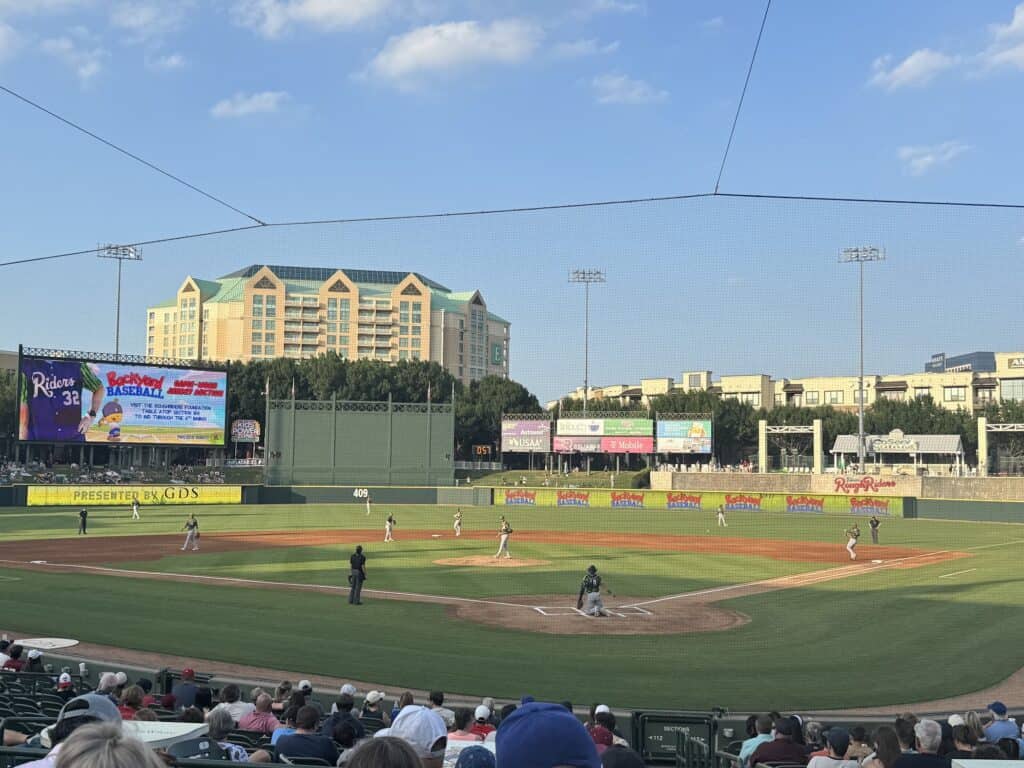
- Frisco: Frisco, which costs about 8% less to live in than Dallas, is one of the fastest-growing cities in America over the past decade, and for good reason. The city has a ton of interactive nostalgia like the National Videogame Museum, TrainTopia, and the Texas Sculpture Garden. It’s home to the Frisco RoughRiders, Texas Stars, and the Dallas Cowboys’ practice facility. And with Grand Park underway and the first men’s major golf championship in Texas since 1969 coming in 2027, the future is looking bright.
- McKinney: From 2022 to 2026, McKinney has grown by nearly 15%. The city is also investing over $100 million on the east side of its historic downtown district. The project includes a new municipal complex and city hall, infrastructure upgrades, and an airport expansion. Combine that with a cost of living that’s 11% less than Dallas, and more people are heading a bit northeast.
- Fate: Fate is a smaller city than the others on the list, but it likely won’t be for long. There were 600 people in the year 2000; today, there are over 29,000. Multiple master-planned communities are being built, providing plenty of housing options for former Dallasites. Additionally, significant projects like the mixed-use Lafayette Crossing and Fate Yards are adding more shopping, dining, and entertainment options alongside the beauty of Lake Ray Hubbard.
San Antonio
While north of Dallas is expanding, other departures are heading south down I-35 toward San Antonio. According to PayScale, the cost of living in San Antonio is 9% lower than the national average, and about 8% lower than Dallas. Per Redfin, housing in San Antonio costs 16% less than Dallas. Utilities are 23% lower on average, with groceries 7% cheaper. HEB being headquartered in San Antonio certainly doesn’t hurt that last stat.
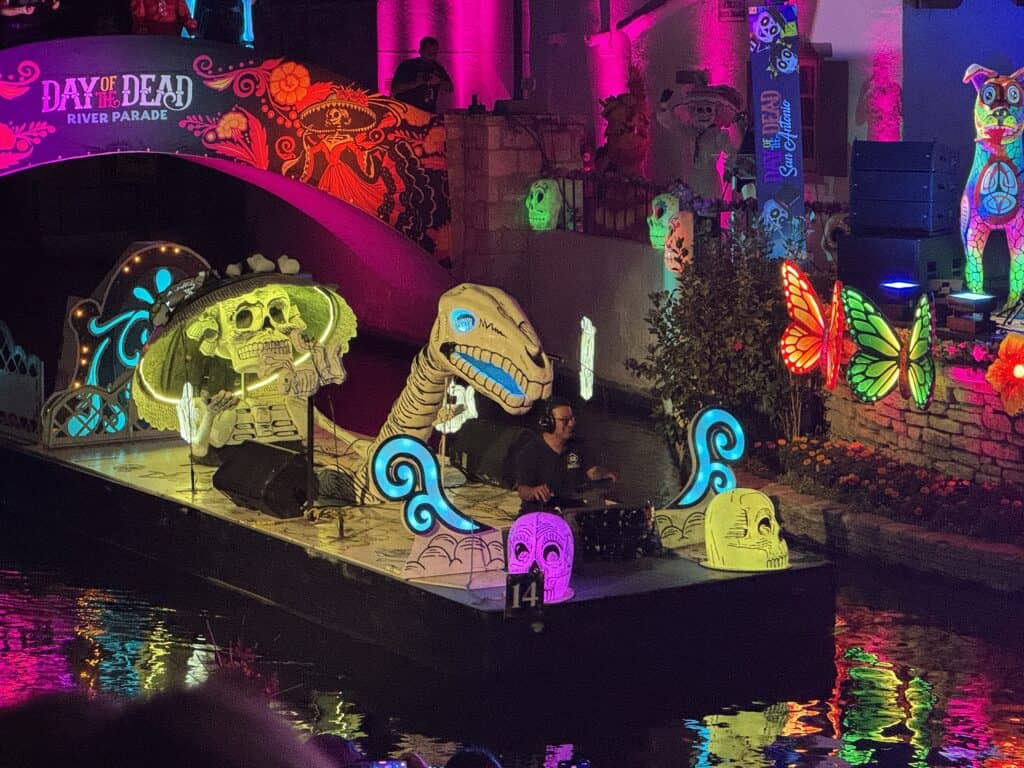
San Antonio blends remarkable history, such as the San Antonio Missions and King William Historic District, with more modern, quirky experiences at places like Hopscotch. Its festival game is strong, too, with the ongoing city-wide party of Fiesta and the cultural celebrations and parades during Día de Muertos. San Antonio may also have the best collection of breakfast tacos in the entire state. You’re never too far from a tasty option.
In pro sports, the San Antonio Spurs are the NBA’s reigning runner-up team. They have an exciting young core, highlighted by perhaps the most unique basketball player ever in the 7’4”-yet-still-nimble-with-a-solid-jumpshot Victor Wembanyama. And, at least up until this point, they’ve never traded their franchise player in the middle of the night and then ran a smear campaign against their former star (sorry, Mavs fans).
Interior Plains and Appalachian Highland cities
If Dallas residents decide to leave Texas entirely, several cities provide attractive, cost-effective alternatives. Notably, areas within the Interior Plains and Appalachian Highlands offer several enjoyable activities while having a wider variety of seasons.
Dallas residents typically deal with brutally hot weather for the majority of the year, a few weeks of fall, and a winter that may occasionally see a trickle of snow. These other areas offer more of a mix, which can be appealing to people who are fed up with the extended summer vibes. Here are three lower-cost areas where some Dallasites are seeking refuge:
- Indianapolis: The cost of living in Indianapolis is about 10% lower than in Dallas, while the average housing price is 17.1% less. With a population north of 900,000, Indianapolis has a big-city feel (along with pro sports teams in the Pacers and Colts), while being priced like a more modestly sized location. The downtown is more walkable than Dallas, and attractions like The Children’s Museum of Indianapolis and the Kurt Vonnegut Library and Museum keep residents entertained year-round.
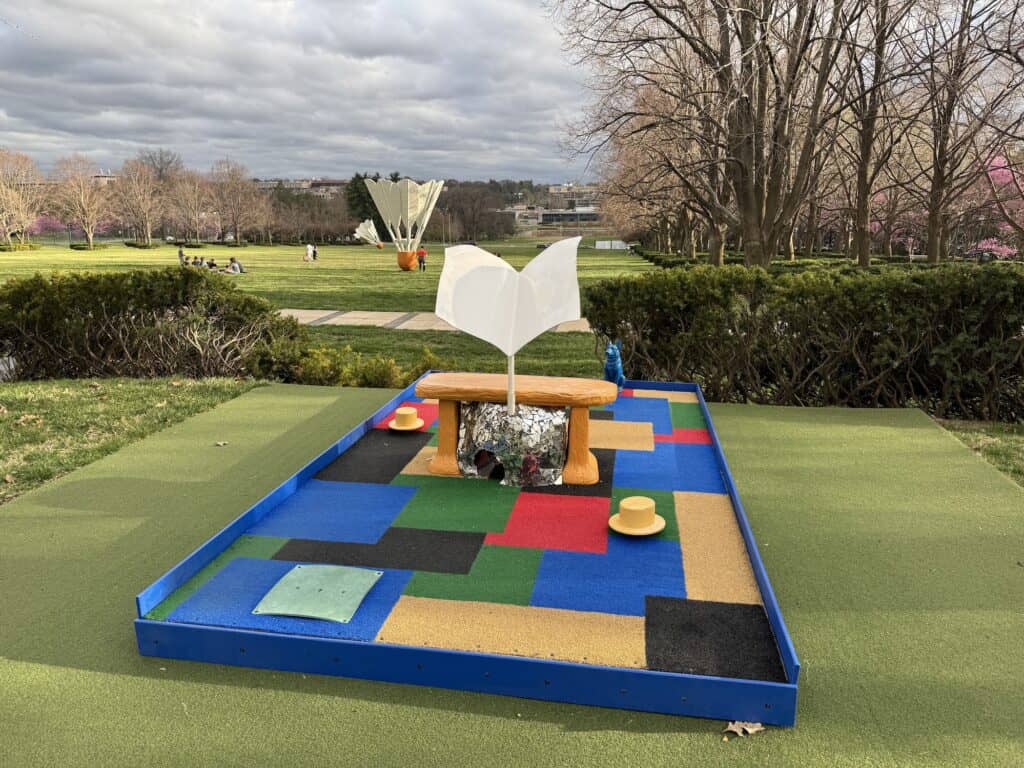
- Kansas City: Another city with a walkable downtown, Kansas City has a unique collection of outdoor activities (Royals and Chiefs games, the shuttlecock lawn of the Nelson-Atkins Museum of Art) and indoor ones, such as the Arabia Steamboat Museum and the Hallmark Visitors Center. There’s also a bevy of mouth-watering BBQ options and a strong tech scene. And with the cost of living 11.8% lower in Kansas City, that’s more money to spend on activities or to save for major purchases and travel.
- Chattanooga: Tennessee as a whole appeals to former Texans because the state, like Texas, has zero income tax. Nashville, Memphis, and Knoxville all have plenty to do, but Chattanooga is becoming an increasingly popular choice. On average, housing listings are 17.8% higher in Dallas than Chattanooga, while the latter’s residents typically spend less per month on groceries, utilities, and transportation. And though Chattanooga has no professional sports teams, the chance to get outdoors year-round at gorgeous spots like Point Park and Raccoon Mountain Caverns is a nice trade-off.
Oklahoma City
The idea of a Texan moving to Oklahoma might seem unforgivable, yet there’s quite a bit of appeal in the state’s capital. Per Apartments.com, the average listing price for a home is 36% higher in Dallas than Oklahoma City, while the average monthly rent is 51% higher. That cost of living extends to elements like groceries, utilities, and transportation, which are all lower in Oklahoma City than Dallas.
For entertainment, the Oklahoma City Thunder were the 2025 NBA champions and have the two-time reigning MVP in Shai Gilgeous-Alexander. He’s also, by all accounts, a good guy, and is even making friends with opposing fans. Art enthusiasts will love the immersive, collaborative experiences at Factory Obscura, while museums like the SKELETONS Museum of Osteology, National Cowboy & Western Heritage Museum, and Oklahoma National Guard Museum are both educational and entertaining. As a bonus, SKELETONS has an office cat named Sir Indiana Bones who often makes guest appearances.
And while Oklahoma will never completely surpass Texas’s BBQ and Tex-Mex options, there’s a solid variety of both in Oklahoma City. Pitmaster Zach Edge has brought the Lone Star flavor to Edge Craft Barbecue, and Butcher BBQ Stand hosts classes for aspiring pitmasters, or people who just want to hear some good stories while indulging. Meanwhile, Abel’s Mexican Restaurant scratches the Tex-Mex itch, and several Texas chains have expanded north of state lines.
The positive trends for Dallas
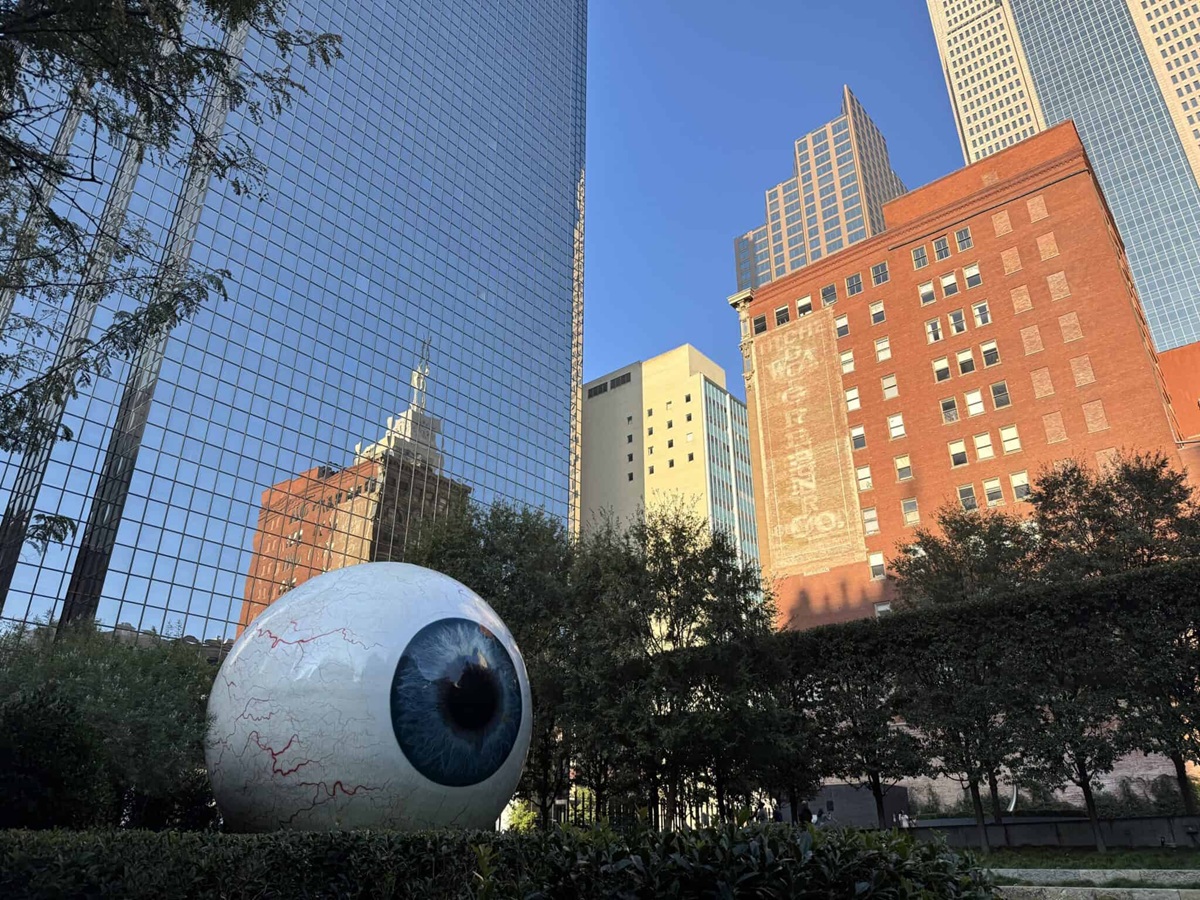
Despite costs of living going up, Dallas remains one of the most populous cities in the entire United States. And just like people are relocating to other Texas cities from Dallas, the Big D has welcomed in thousands of people from other spots around the Lone Star State.
Dallas is also making an effort in keeping the city affordable. The 2026-27 budget has a dedicated section to expand its “Dallas is Home” project. That means finding opportunities for “public-private partnerships that increase production, preserve affordable units, support homeownership, and strengthen the homelessness ecosystem.”
So, don’t count Dallas out just yet. And when costs feel too high, it certainly helps to have a wide variety of entertaining free things to do.
This article first appeared on Good Info News Wire and is republished here under a Creative Commons license.
Related: The United States won the 2031 Women’s World Cup bid. What does that mean for Arlington?