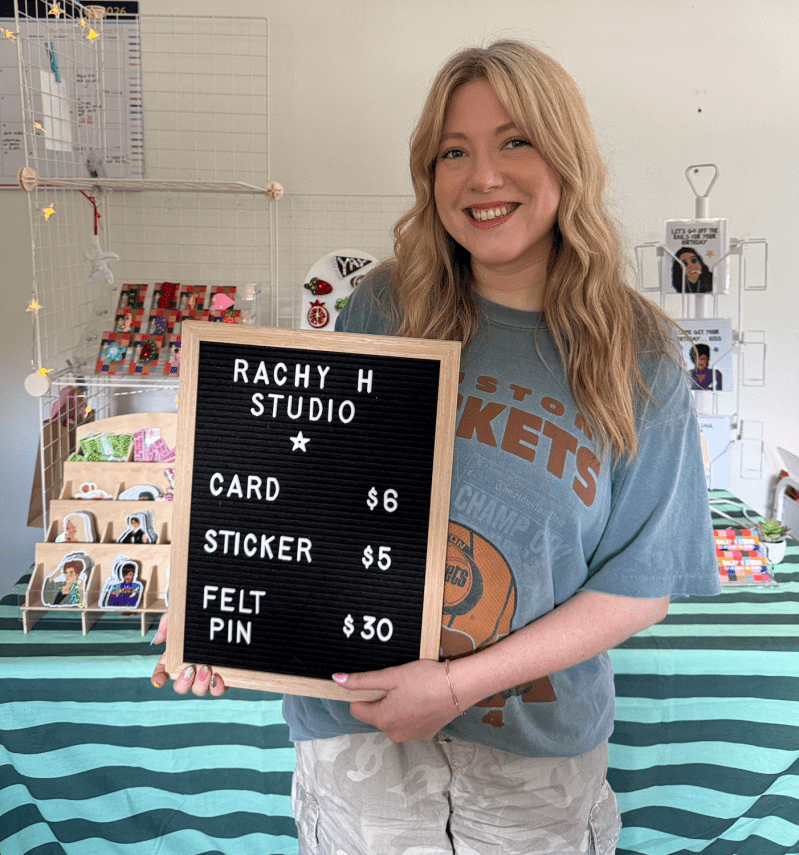
Punching In is a bimonthly series about the people who make Houston work, highlighting interesting jobs, industries and careers across the city.
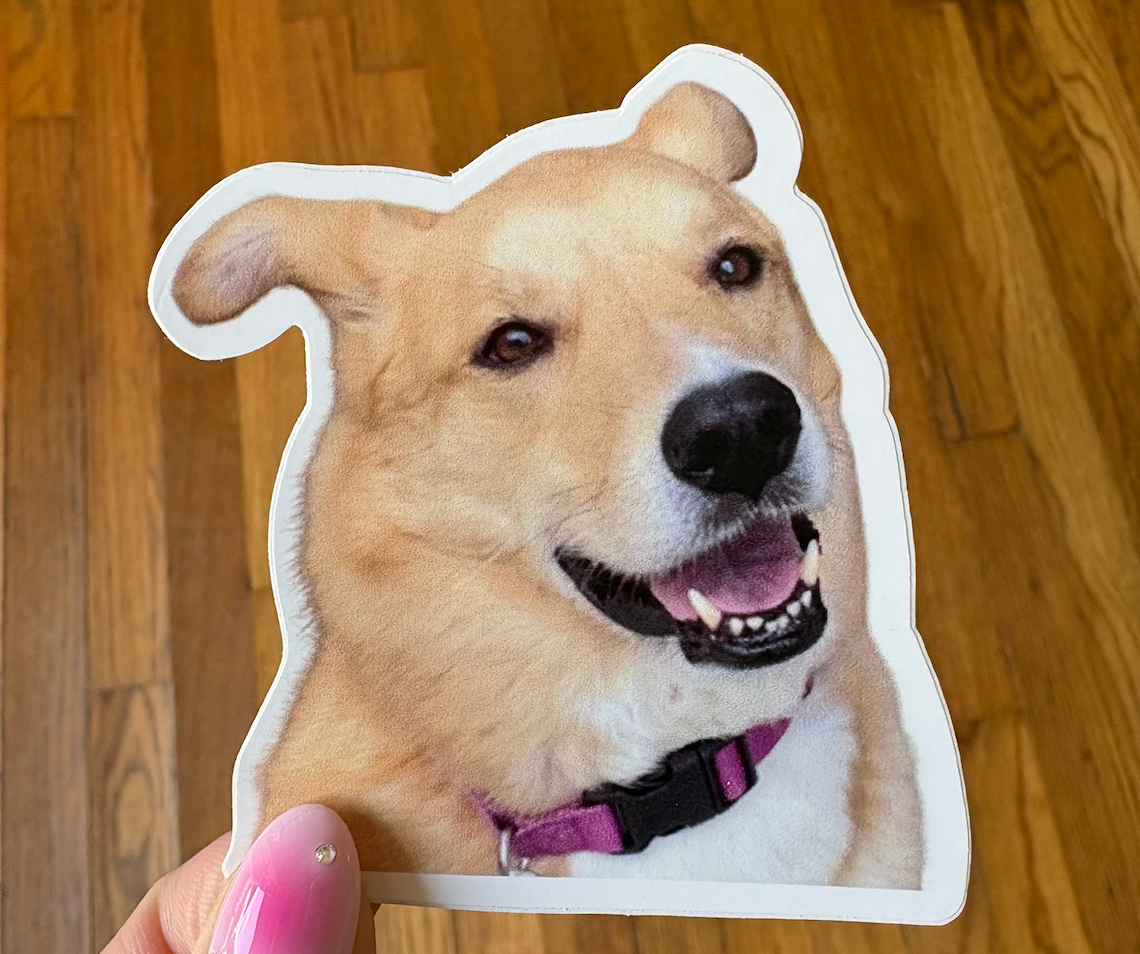
This 31 year-old Houston-based artist first dipped her toes into internet virality with some help from her dog, Kyle. When Rachel Klingemann, better known by her social media handles @rachyhstudio, posted the antics of her nine-year-old husky, it generated news articles, garnered millions of views and likes, and led to features on well-known blogs like Barstool Sports. Klingemann even went on to sell stickers of her dog’s face, which became one of her best-selling products. But the Kyle fandom was just the beginning of social media’s support for Klingemann’s art.
After working at Space Montrose, a small business selling local art, the Texas creator started having conversations with customers and realized that people wanted to buy art about things they loved on social media. Klingemann said, “I thought, ‘what if I combined the people that I love and the art that I love and made it into something that people love to buy?’”
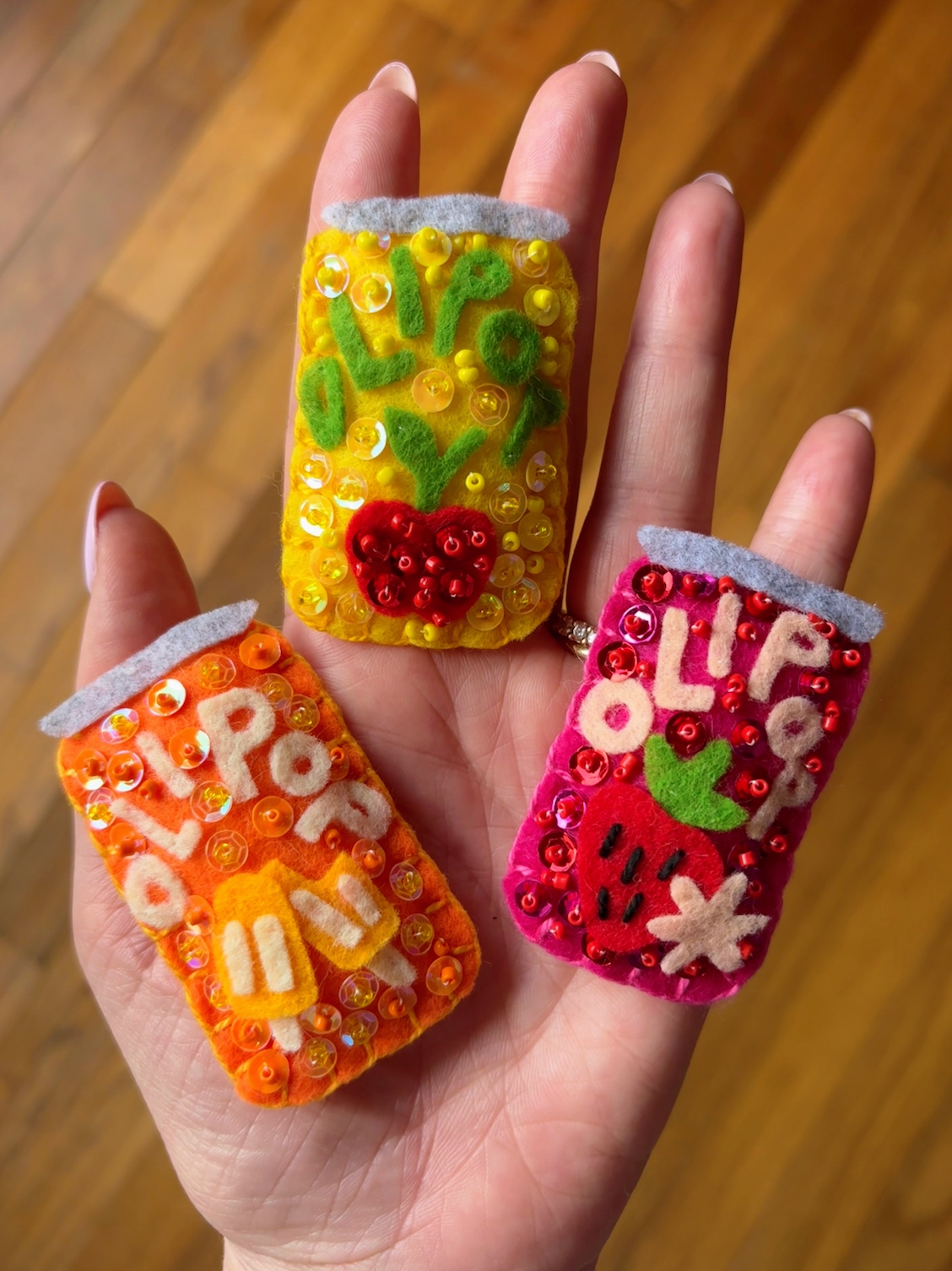
So this pop-culture-inspired creative got to work. By creating art based on animals and pop culture, Klingemann has built a loyal customer base with 22,000 followers across Instagram and Tiktok. Now, the Texas State grad is collaborating with huge brands like JuiceLand and Olipop. We sat down with Klingemann to find out what it really takes to make a living from social media.
Anna Raj: What was your job before being a full-time artist?
Rachel Klingemann: I was a reading, theatre and art teacher for many years before I realized that I wanted to do something of my own. Due to what’s going on in Texas right now, teaching is not somewhere I want to be, even though I love art. Eventually that would be an amazing job, if things change—to go back and be an art teacher so I can share what I do. But I did two jobs. I worked as a teacher, and then in the summers at Space Montrose.
Raj: What inspired your art career?
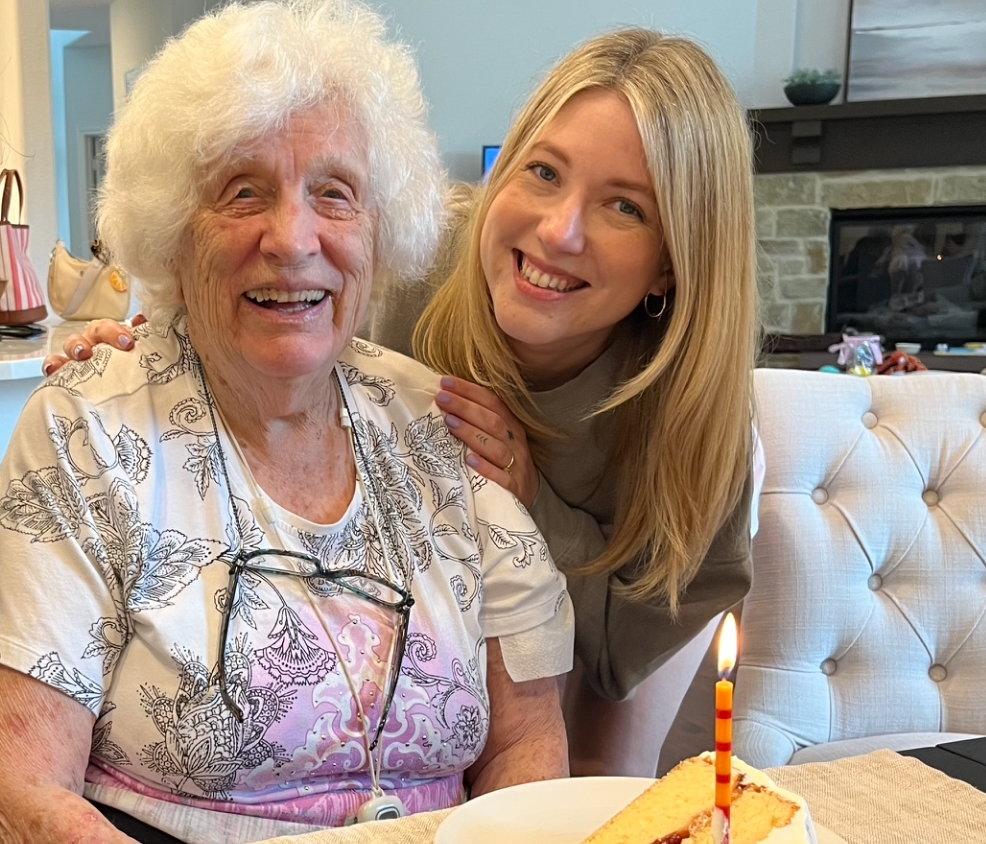
Klingemann: My favorite childhood memory with my grandma was sitting on the patio facing the backyard and painting or learning to crochet with her. She dabbles in many mediums and was a school teacher, so we have a lot in common. She made all of our childhood Christmas stockings and they look very similar to my style. She can’t see as well anymore, and at 93, finally let me have her sewing kit tool collection.
Raj: How did you grow your social media presence?
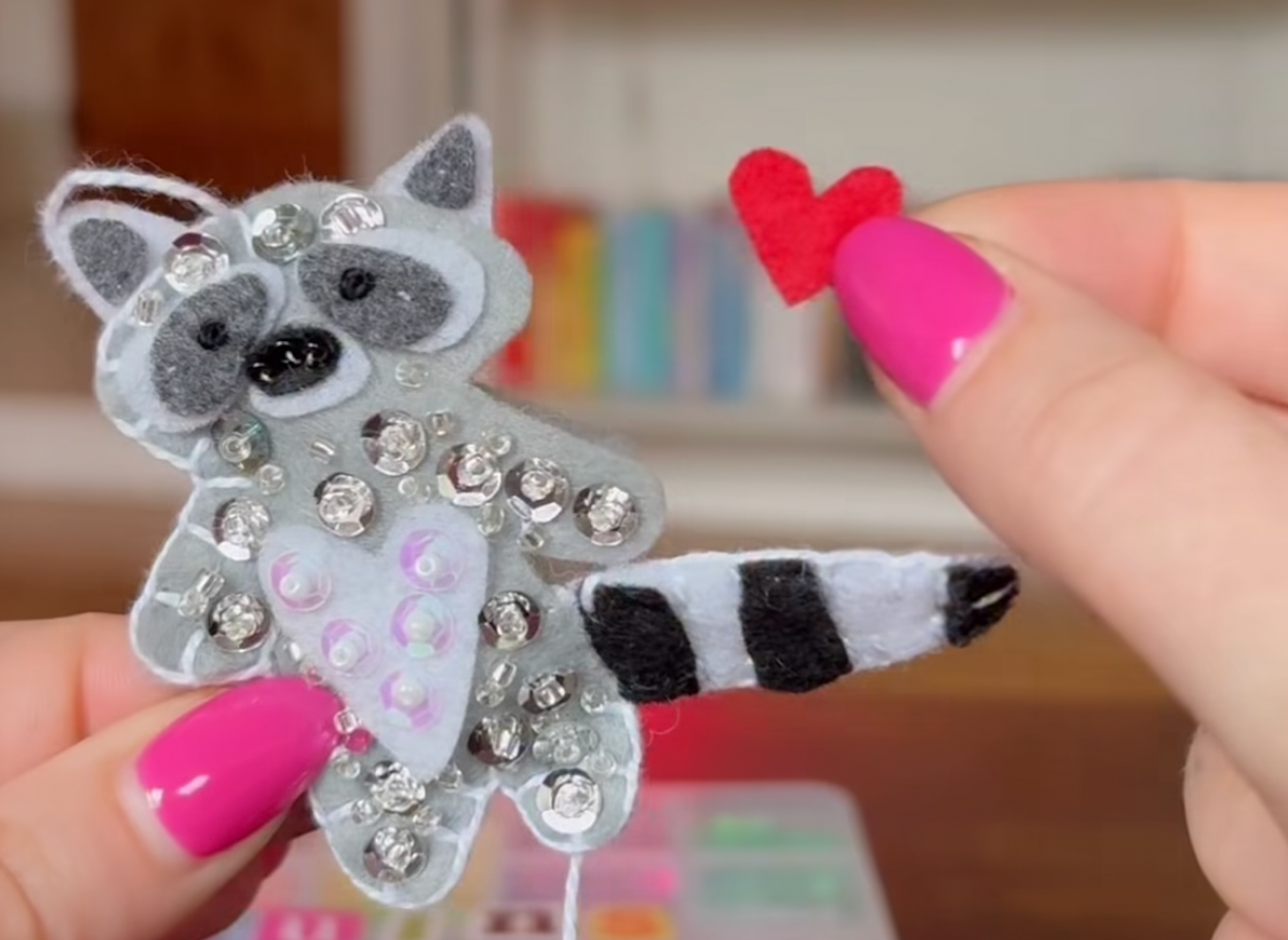
Klingemann: First, I had to take myself seriously and create an office instead of just doing it on my couch. When you take yourself seriously, other people take you seriously, too. I went from 1,000 to 15,000 followers in the span of seven months because I started looking at social media as a job. It’s the same way I looked at Space Montrose and saw who was buying things and why they were buying things. I did the same to the internet—looked at what people were watching and figured out why people wanted to watch it. I found that when I posted just a picture of a card I designed, people really didn’t care, even though that’s my main seller in multiple storefronts across Texas. But when I showed the process of hand-making something, it was completely different.
Raj: A lot of the content on your page are videos of just your hands making art. Why do people like that?
Klingemann: People want to try to create art themselves, so they want to see hands creating it. People don’t want to see finished products made by machines. They want to see people do it. That’s why I decided to sell art kits, so I can make these process videos and share them with people who want to try as well.
AI is taking over the world and people are sick of it. It’s a rebellious movement, but a really positive one. We’re all in this world to help each other and create, and we’re giving all of that power to robots who are going to wipe us out, and then what’s left?
Even though you can get AI or factory-made art for cheaper prices, you’re devaluing our society. People will complain about something handmade being $25 when they can get it for $5 if it’s machine-made. Okay, go do it. You’re not going to hurt my feelings. I put so much work into my stuff.
Raj: How can social media be a place where businesses are built rather than just entertainment?
Klingemann: Why are you on social media? You’re not there to necessarily buy things. You’re there to watch things. But if you can convert your audience from people who are entertained to people who are buyers, that’s where the money is. But that puts the artist in a position where you have two hats. You have the hat of influencer personality and one as an artist.
Raj: I notice your social media doesn’t feature as much of your face. Can you tell me why?
Klingemann: It’s my worst fear to be very famous. We’ve seen “Hannah Montana.” We’ve seen what happens to celebrities. I’m very cautious about putting my face up too much because I want people to value my art, not me. I want to be an artist, not an influencer. That is a harder line for a lot of artists because so many of us are neurodivergent and introverted. It’s sometimes really awkward for artists.
Raj: How do you deal with the struggles of all that goes into being a small business owner?
Klingemann: Community. I used to live in Austin and New Braunfels, but I’ve never found a community like Houston. One of the first times I was driving to my shift at Space Montrose, having freshly moved from New Braunfels, seeing Houston’s skyline made me feel like I had so many opportunities. There’s so much out here. You can be anyone you wanna be. I can strike out or succeed and still have tons of business owners here sticking together to help each other. I’ve never worked somewhere where I have had more customers turn friends and supporters, so I’m grateful. I’m not leaving Houston because of that.
Raj: What was the biggest learning curve for you in selling art online?
KIingemann: The money part, the finance part, the data part. You have to learn how to market your art. You have to learn how to keep inventory, check your storefronts, keep up with your payments, and respond to emails. Now I’m doing brand collabs, having deadlines, and signing NDAs for the first time. I have never lacked ambition, and so I’m completely down to learn all of it.
Raj: What would you say to someone who wants to quit their office job and risk it all on social media?
Klingemann: You can’t just quit your job and then start selling online. It takes a lot of work because you have to have money to make money, and I couldn’t just quit my career until I started creating that flow. I had two jobs at first. I was a teacher, but then after school, I would work at Space Montrose in the evenings and on the weekends. I hustled for a good minute. The transition of having a traditional job to working on social media was difficult, but when it starts rolling, it starts getting a lot easier. But that didn’t start without doing both my traditional job and social media at the same time.
I still sell my cards and stickers in multiple storefronts around Texas, and I collect somewhat of a passive income each month from each of those stores. Then, on top of that, I also run my Etsy store and do brand deals on social media.
Raj: What’s your favorite part of your brand?
KIingemann: My community. I’m immediately excited to share what I’m making with people. That’s why I love doing commissions. What people ask me to do is so creative. It expands what I normally do and also allows me to engage with people I normally wouldn’t.
Now, I have online friends in places like New Jersey and Florida. It’s really cool to feel like you’ve created this little artistic online community— and my viewers are 99% women. It’s just a little girly art club and I love it.