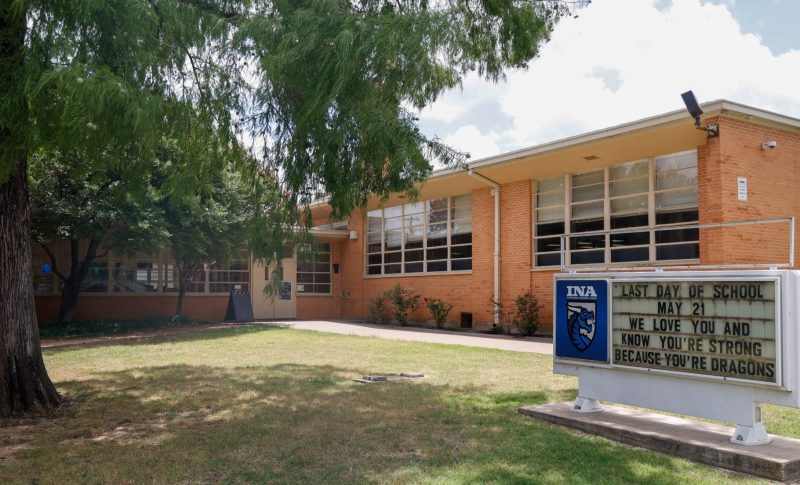
International Newcomer Academy, which served immigrant and refugee students in North Texas, opened its doors to Fort Worth families in 1993. But after 33 years, the Fort Worth Independent School District’s newly appointed board of managers voted to close INA in a unanimous decision on April 28, 2026.
“Myself, being an immigrant into this country, I wish we would have had places like this coming in,” Juan Carlos Guerrero, an in-school suspension and on-campus intervention teacher, told Courier Texas. “It provided a sense of belonging.”
Fort Worth ISD was taken over by the state in October 2025 after one of Fort Worth’s campuses—Leadership Academy at Forest Oak Sixth Grade Center—received a failing accountability rating for five consecutive school years. The takeover has led to mass cuts and campus closures, including INA.
“The district cares very little about the disservice they’re doing to special populations, students with disabilities, and students with language barriers,” Guerrero said.
Fort Worth ISD Superintendent Dr. Peter Likata, who was appointed by Texas Education Commissioner Mike Morath following the takeover, said the decision to close the campus stemmed from segregation and civil rights issues, along with low attendance and low academic performance.
“I cannot support any model that is outdated, produces limited success, and most importantly segregates students based on their language,” Likata said at a board meeting.
Likata visited INA, but only visited two classrooms for five minutes each, according to Susan Alcala, an Algebra 1 teacher on campus.
“They didn’t give us an actual listening ear,” Alcala said. “They didn’t give our students a chance.”
INA welcomed students with different needs, such as students with little to no formal education backgrounds or knowledge of the English language. The goal of the campus was to give students the tools and necessary support to learn English and then continue at a mainstream school.
“We were just a stepping stone, trying to get them ready so they could enjoy being on a soccer team, or in theater and choir at their home school,” Alcala said.
The campus worked closely with the office of Civil Rights—just like many other schools—to ensure fairness and equity. They were constantly told their campus was in good standing, according to Alcala.
The campus also gave students the opportunity to participate in various electives, such as music, art, and physical education, and take field trips to different universities, all while learning a new language and continuing their academics.
Many teachers even went out of their way to learn new languages to help better serve their students, according to Guerrero.
“We weren’t fighting for our jobs, we were fighting for our kids and what they needed,” said Alcala, who started her career at INA 26 years ago.
Genna Edmonds, director of the bilingual and ESL department, was instrumental in building INA. Suzzane Barton, INA’s first principal, said the campus was built to address needs across the spectrum.
Both Barton and Guerrero said students at INA reflected what was happening around the world, and the number of students at INA last school year reflected what is happening in the US now.
“INA was a lighthouse, it was a beacon,” Barton said. “It was that light that allowed them to reach the shore to safety.”
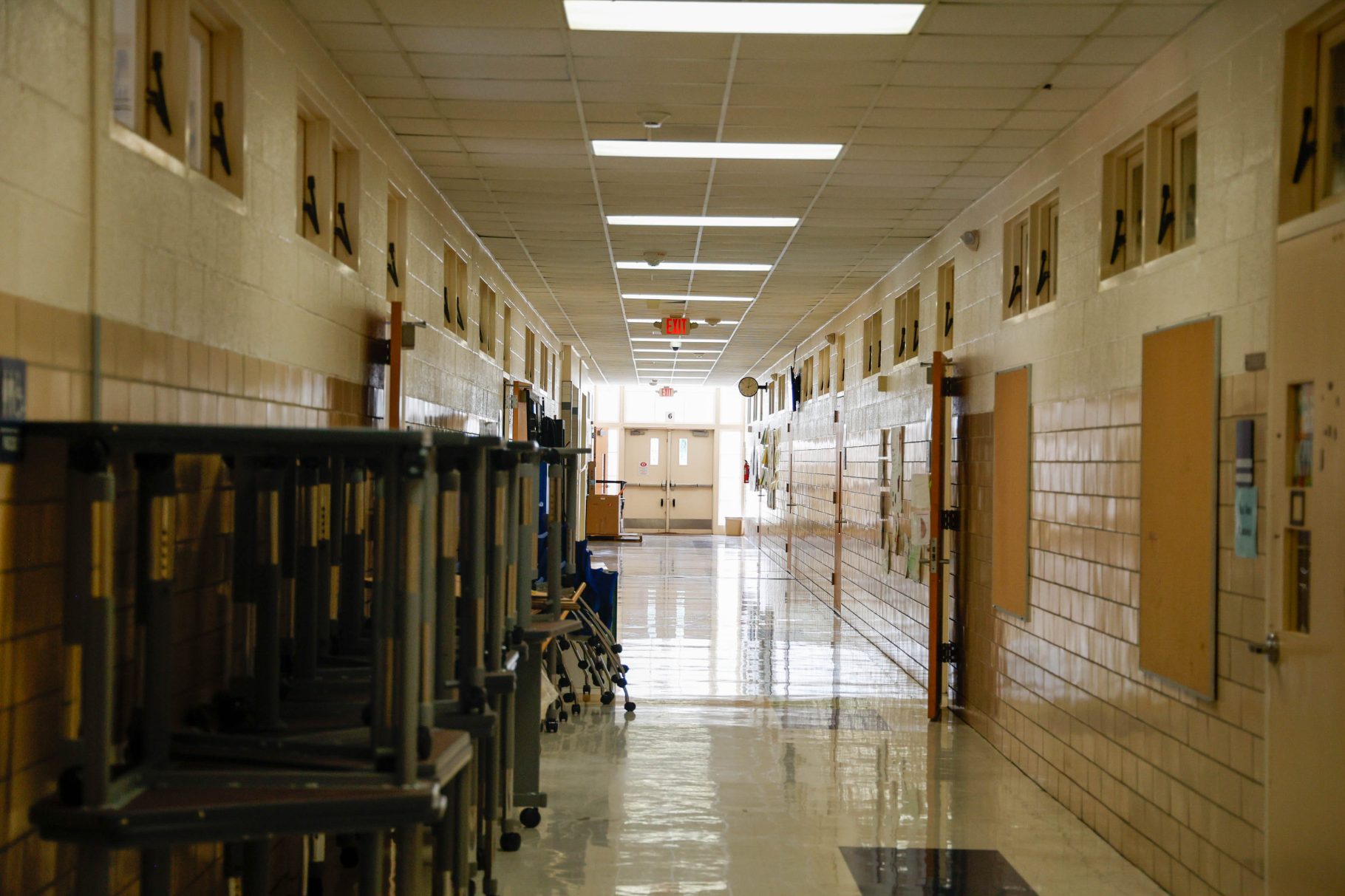
Students who would have attended INA this upcoming school year will now be placed in their respective neighborhood schools.
“It is going to be difficult to emulate the experiences and resources that the teachers had to teach these groups of students,” said Jay Mata, a math teacher at INA.
Teaching Newcomer students requires a lot of scaffolding, Mata—who continuously changed his lesson plans to best help his students and spent years training to work with emerging bilinguals, said.
“It is not enough for a teacher to have an ESL endorsement,” Barton said.
Alcala warned it will be hard for students to speak up and ask for help surrounded by students with no language barrier.
Research shows it takes one to two years for a child to develop conversational fluency, and anywhere from five to seven years to have academic mastery.
“If you expect students who are brand new to the country to do well on the STAAR test after one year, that makes no sense logically,” Barton said.
The average seventh grader in Fort Worth ISD grew four to five points in Map, a standardized computer-adaptive test used to measure student learning and growth in math, reading, language usage, and science. INA students grew 13 to 14 points in the same span of time.
“There is not one level of growth measure that you can compare the general population to INA and say that the general population growth measures were higher,” Mata said.
Students need a place where they can feel safe and cared for when they don’t know the structure of the American education system, Alcala said.
“The toughest thing, especially when there are limited resources, is to get those students in two years from not having formal education to grade level,” Mata said.
INA’s educators are urging the public to speak up and advocate for all the students who won’t be returning to their campus next year.
“It’s institutions like INA that offer a voice to those who don’t have any voice for themselves,” Guerrero said.
Alcala is calling on more transparency and accountability amid the district’s state takeover. “We need to know who is running things,” she said. “Right now, public education is being dismantled by what’s happening with all of these state takeovers.”