As Texans celebrate Juneteenth—a federal holiday commemorating the emancipation of enslaved African Americans in 1865 when Union troops arrived in Galveston to announce that all enslaved people were free—the State Board of Education (SBOE) is simultaneously minimizing Black historical figures in history courses.
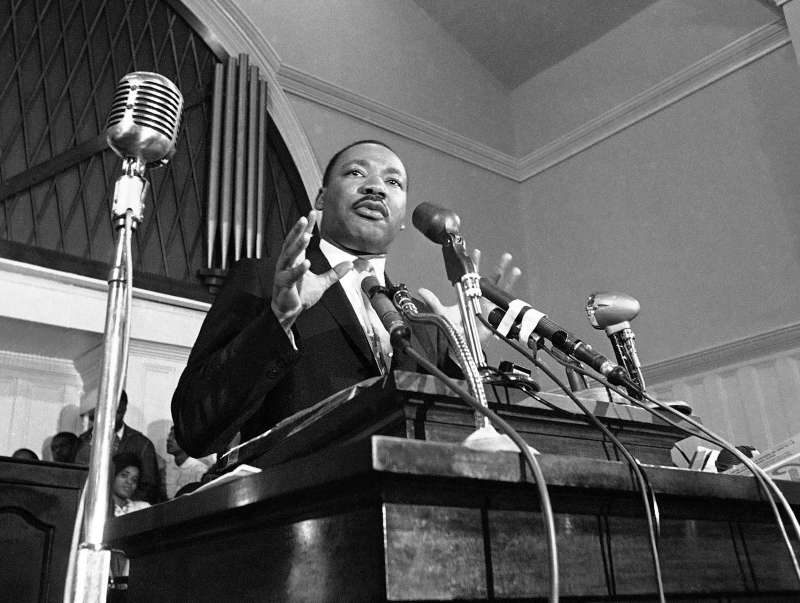
In a proposed rewrite of social studies curriculum standards the SBOE will vote on next week, Dr. Martin Luther King Jr. is nowhere to be found in Texas’ capstone high school US History course. Neither is Rosa Parks. King was named in earlier drafts, but was removed during amendment debates and rewrites in April.
The changes, which have also been criticized for being developmentally inappropriate and excluding various world religions and cultures, are being condemned by education advocates and teachers.
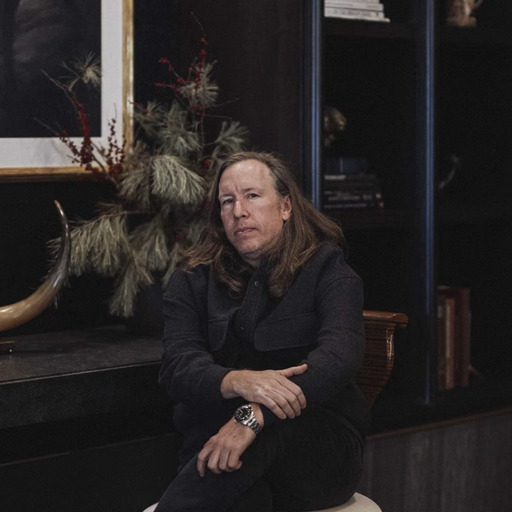
Steven Pruitt has worked as an eighth grade history teacher in Garland ISD since 2023, following 24 years in the US Air Force. For him, the appeal of teaching history was always about giving students a sense of how the present came to be—the throughline from past events to the world they’re inheriting. That’s exactly what he says these standards put at risk.
“Minimizing Rosa Parks and minimizing MLK, along with other changes that are in there, makes it almost impossible to understand how we got here,” Pruitt told Courier Texas. “Students won’t understand what it took for us to get to where we are today.”
Pruitt was part of an early work group earlier this year, brought in alongside other educators to review the proposed standards and ensure they were “classroom ready.” He came away believing the rewrites tilt heavily toward American and Texas history while pushing out broader global and cultural context—the kind of material, he says, students need once they leave Texas and encounter the rest of the world.
That impression deepened, he said, after reading feedback submitted by Donald Frazier, one of the content advisors on the rewrite. Frazier has drawn scrutiny over financial ties to the process: public tax filings show the Texas Public Policy Foundation, a far-right think tank based in Austin, awarded $70,000 to the Texas Center at Schreiner University, which Frazier leads, for work explicitly described as “Development of Texas Essential Knowledge & Skills (TEKS) Standards.”
Frazier’s feedback on Pruitt’s work group submission included an unsolicited editorial framing: That Texas represents “the best expression of the American idea” and “a culmination of the American promise.” Pruitt found the comment telling, given Frazier was supposed to be offering feedback on completed work, not opinion. To him, it signaled an ideological lens—one rooted in American exceptionalism—shaping how the standards themselves were being written.
Pruitt’s broader worry is less about politics and more about the art and science of teaching. He believes social studies should equip kids to understand what happened, why it happened, and how it connects to the rest of the world—not flatten that complexity into a single narrative.
Additional changes could still come to the proposed curriculum. The Texas Public Policy Foundation is recommending first grade standards remove segregation and slavery as “products of discrimination based on skin color.”
Pruitt rejects the idea that young children should be shielded from that history. Understanding slavery, he argues, is inseparable from understanding how America—and how civic participation in it—came to exist. He said he’s skeptical of the parental argument that the subject is too upsetting for young students, suggesting discomfort is often a sign the material is actually landing.
“Again, if you want to be involved in your community, if you want to be an active participant in this world today, you have to understand how we got here, and you can’t understand how we got here if you’re not talking about slavery and its impact on the world, even at a young age, because slavery was integral to how America came to be,” Pruitt said.
The proposed rewrites also drop the Civil Rights Act of 1964 and Voting Rights Act of 1965 from a seventh grade unit on civil rights. Additionally, third graders are expected to describe how Moses—a Biblical figure who led the Israelites out of slavery in Egypt—later served as inspiration for African Americans held in slavery in America and Texas.
Felicia Martin, executive director of the Texas Freedom Network, argues the drafts are beyond saving through amendments.
“These drafts are too fundamentally flawed to be fixed by board members, no matter how many amendments they offer,” she said. “The board should pause this process and send back the drafts to work groups composed of educators, not political activists. That’s the only way to ensure the new standards are teachable, appropriate for public schools, and truly prepare students for success.”
The SBOE will meet from June 22-26 in Austin to vote on the proposed changes.