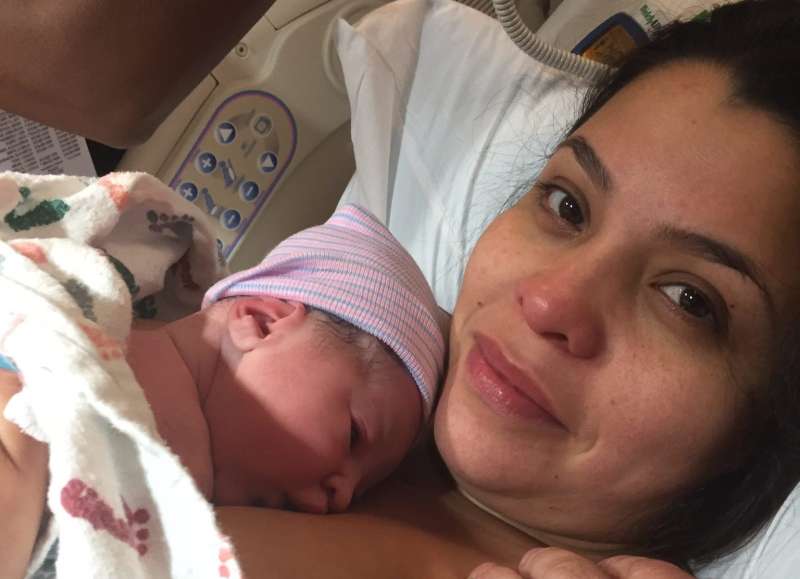
Aurora Cobb remembers watching her baby boy smile and knowing she should feel something.
He was happy and innocent. Cobb loved him, but connecting to his joy felt like work.
Some days, so did taking a shower. Eating was hard, playing with him was, too.
“I was seeing him smile and be in this pure essence of joy, and I just could not connect with that,” said Cobb, a nurse living in Midlothian, TX. There was “just like a dark cloud hovering over me.”
She went through the motions anyway, feeding the baby, tending to everyone else, and forcing herself to do basic things she once did easily.
Two years later, she had another baby.
After her second son was born, Cobb says the depression returned, but this time it felt different—worse, actually. She felt anxious, rageful, and her heart raced while her body remained tense. She remembers exhaustion and an emotional flatness that left even smiling difficult.
This isn’t not the kind of postpartum story that usually becomes national news, but it’s common.
“Postpartum mental illness and mental health struggles look like a mom shopping at a grocery store with her kids screaming in the middle of the day,” she said. “It can look like your neighbor who’s putting her kids in the car to go to school who just had a breakdown inside her house.”
For weeks, another image of postpartum mental illness has dominated the national conversation.
In Massachusetts, Lindsay Clancy spent nearly six weeks on trial over whether she should be held criminally responsible for killing her three young children in 2023. Clancy, a former labor and delivery nurse, didn’t dispute that she killed the children. Her attorneys argued she was suffering from postpartum psychosis and was not criminally responsible. The case ended in a mistrial Sept. 4 after jurors failed to reach a unanimous verdict.
The case has put this uncommon and severe maternal mental health condition into public view. But for women like Cobb, and the advocates and health professionals who work with Texas mothers, it also raises a much broader question.
Long before postpartum mental illness becomes a psychiatric emergency or reaches a courtroom, do women, and the people around them, know what to look for? And what happens when a mother says something isn’t right?
When ‘I’m fine’ isn’t the whole answer
Cobb remembers how one doctor who got a glimpse of her symptoms almost by accident.
She had developed hives after giving birth and was referred to a dermatologist. The doctor ran through the expected questions. Soap? Lotion? Fragrances?
No. No. No.
Then the dermatologist gently asked Cobb whether she was stressed.
While Cobb said no, her body answered differently.
She immediately started crying. Cobb still didn’t receive a formal postpartum diagnosis. It would take her years to understand what she was experiencing.
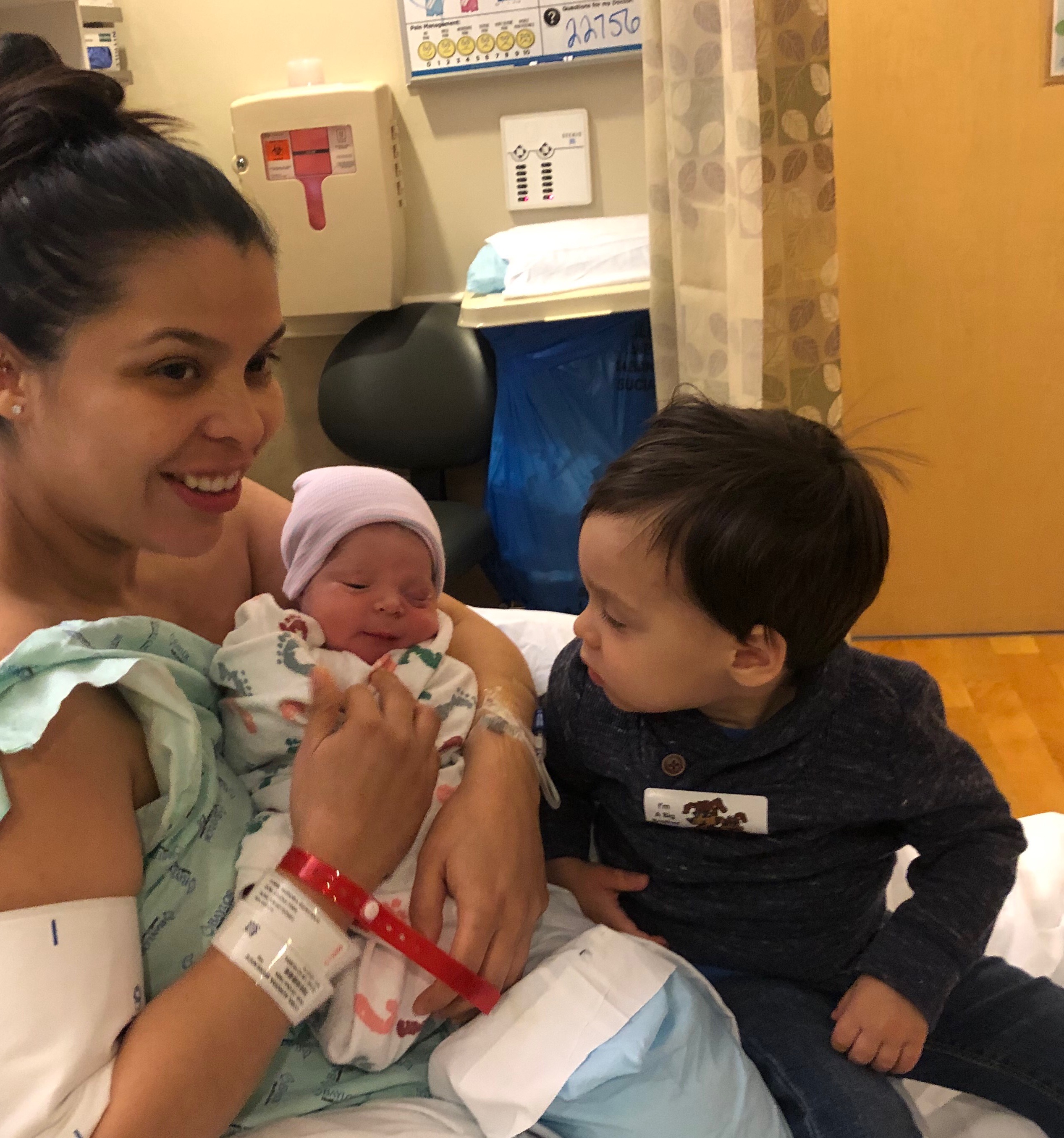
(Photo courtesy of Aurora Cobb)
Perinatal therapist Andrea Crafton, founder of Bloom Therapy, said that kind of moment is one reason asking a mother simply how she’s doing may not reveal the full picture. Providers should ask more specific questions about mood, anxiety, sleep, intrusive thoughts and whether she feels like herself.
“Screening is important, but screening alone isn’t enough,” Crafton said. “If we ask a mother how she’s doing and she tells us she isn’t okay, there needs to be appropriate support and follow-up available to her.”
Cobb admits she wasn’t telling everyone everything.
She remembers having intrusive thoughts she describes as “scary.” “I can’t say that I ever really said the 100% truth of what the thoughts were,” she said.
Crafton explains that moms often fear that sharing scary thoughts might make others judge them as unfit—or worse—their baby could be taken from them.
That distinction matters, especially now, as the Clancy case puts postpartum psychosis into the same public conversation as much more common experiences, such as depression, anxiety, and intrusive thoughts.
The levels of postpartum illness
Roxanne Garcia, a physician assistant working in behavioral health and psychiatric medication management at New Horizon Health Center in South Texas, said the “baby blues” looks like temporary mood changes in the first weeks after delivery.
Meanwhile, postpartum depression interferes more substantially with daily life, she said. Trouble getting out of bed, taking care of the baby’s needs, or finding motivation are common signs.
Postpartum psychosis is far more severe.
Garcia said warning signs can include hallucinations, delusions, paranoia, severe insomnia, and dramatic changes in mood or behavior. It’s estimated to occur in roughly one to two out of every 1,000 births and requires immediate psychiatric assessment.
Crafton said psychosis can distort a mother’s reality, but it usually doesn’t lead to violence.
“The vast majority of mothers who experience postpartum depression, anxiety, OCD, intrusive thoughts or other perinatal mental health struggles do not harm their children,” Crafton said.
In Texas, the need extends beyond the six-week checkup
The numbers suggest maternal mental health needs often stretch much further into the postpartum year than the traditional post-delivery visit.
A study examining nearly 50,000 Texas Medicaid-covered deliveries found 30% of women had a diagnosed mental health condition sometime from pregnancy through one year postpartum. Anxiety and depression accounted for the largest portions of those diagnoses. Mental health conditions were also more prevalent 60 days after giving birth than in those first weeks.
In the Rio Grande Valley, the issue also intersects with a shortage of specialized resources.
The Policy Center for Maternal Mental Health’s 2025 analysis identifies Hidalgo and Cameron counties as high-risk, low-resource counties for maternal mental health. The center’s risk score uses 22 factors associated with poor maternal mental health, including poverty, social isolation, domestic violence, unintended pregnancy, and young maternal age. On a scale of up to 45, the counties scoring 25 or higher are considered high-risk.

Cameron County scored 29 and was estimated to need 28 additional maternal mental health providers or programs. Hidalgo County scored 32 and was estimated to need 70 more, giving it the third-largest shortage among the counties identified in the analysis.
For Natalia Figueroa, a mother from Hidalgo County, she was living that statistic.
Figueroa said she eventually sought help from a general practitioner through telehealth, but was only prescribed medication for postpartum depression. Her symptoms later became more frightening. Figueroa said she was barely sleeping and began hallucinating—seeing bugs, hearing noises, and at times, feeling as though someone had touched her fingers.
“I did the basics of taking care of our child,” she said, describing feeding and playing with her daughter even as she struggled to care for herself. “But a lot of it was just laying next to her, or just sitting there spaced out, or just crying.”
Unfortunately, this gap in proper support isn’t unique to South Texas. The largest resource gap in the analysis was in Harris County, home to Houston, where the center estimated 267 additional providers or programs were needed.
For Houston mother Kay Matthews, those numbers reflect a problem she has spent years trying to address.
“Give it time” can feel like an answer when it isn’t
Matthews remembers knowing something wasn’t right after the stillbirth of her daughter.
People saw grief.
Matthews felt something else happening alongside it.
She had just delivered a daughter she wouldn’t get to take home. Yet Matthews said the depression that followed felt distinct from the grief everyone around her expected her to carry.
Matthews went on to create the Shades of Blue Project, a maternal mental health organization that serves women and families, particularly communities of color.

Sometimes, she said, a woman may know she needs help without knowing what kind.
“When someone answers ‘I don’t know’ after being asked what she needs,” Matthews said the next response should be, “Well, let’s figure it out.”
Matthews’ organization is trying to fill those support gaps. But better mental health for mothers really depends on what happens inside the health care system and whether providers are able to see the whole picture.
In South Texas, Garcia said New Horizon has moved toward an integrated care model, with services including women’s health, pediatrics, primary care, behavioral health, and pharmacy, within the same system.
It also offers WIC enrollment assistance, breastfeeding support, and a Care Closet with diapers, baby clothes, and hygiene products.
But access is only part of the equation.
What if the mother doesn’t know she needs help?
As difficult as asking for help can be, postpartum psychosis presents an even harder problem. Sometimes a woman may not recognize there’s a problem. Kristina Dulaney knows that firsthand.
Dulaney, a registered nurse now living in Tennessee, says she experienced postpartum depression and anxiety after both of her daughters, but didn’t recognize either at the time.
Then, about five and a half months after her second child was born, something dramatically changed. She barely slept, but had enormous energy. She became unusually hyperreligious. Then came the paranoia, delusions, and hallucinations.
“What I was seeing, hearing, and believing felt completely real to me,” Dulaney said. “I wasn’t thinking, ‘I’m having delusions’ or ‘I’m hallucinating.’”
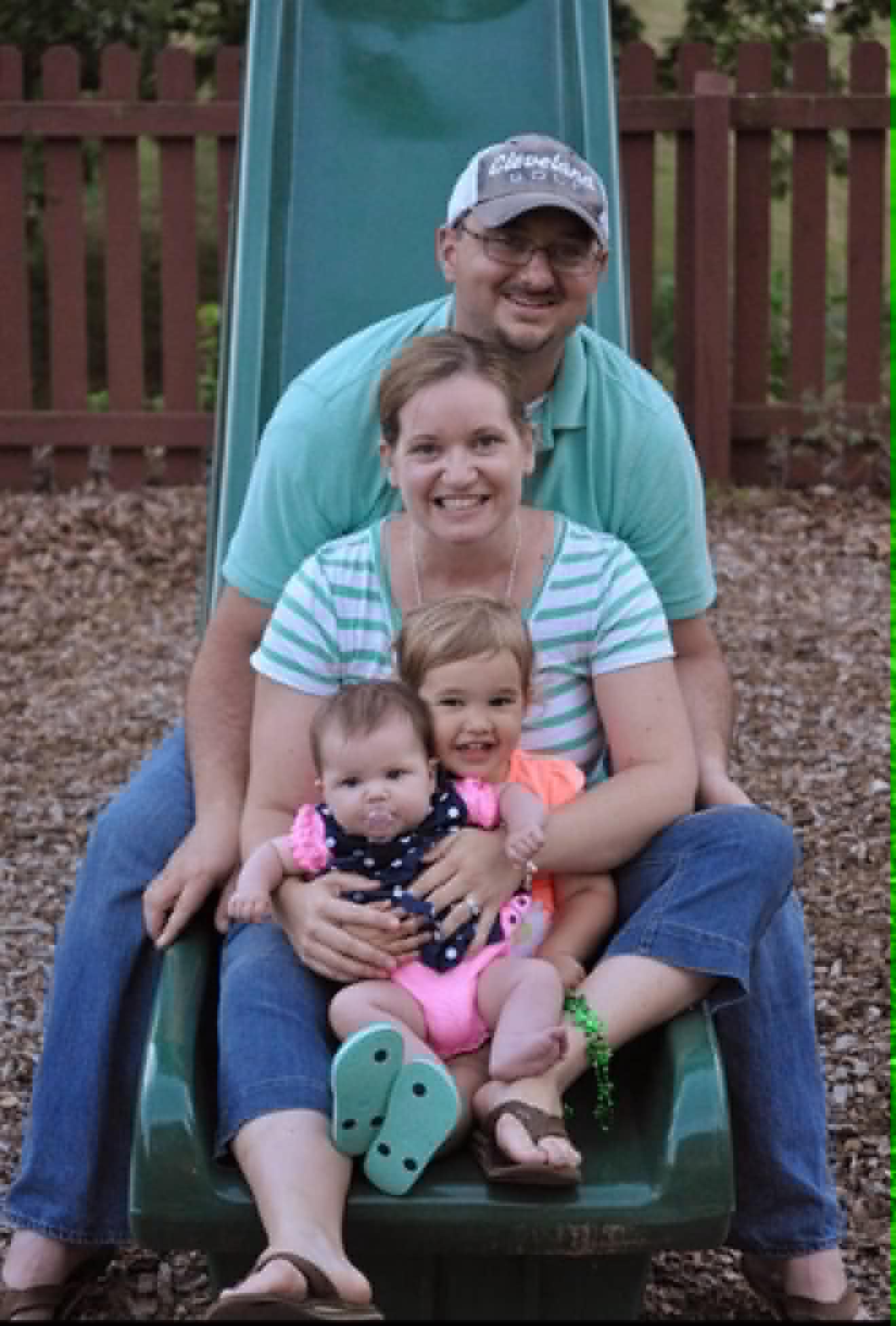
Her husband saw what she couldn’t, and called 911.
Dulaney spent two weeks hospitalized in a general psychiatric unit before continuing her recovery with increased family support and an intensive outpatient program. She said recovery took months.
Today, Dulaney is founder and executive director of Cherished Mom and created Postpartum Psychosis Awareness Day. Her experience changed the way she thinks about the phrase “ask for help.”
“We often expect someone who is struggling to recognize what is happening and reach out for help,” she said. “With postpartum psychosis, that may not be possible.”
“Families shouldn’t be learning what postpartum psychosis is for the first time while they’re already in the middle of it.”
When maternal mental illness reaches a Texas courtroom
Texas has wrestled with some of the most extreme intersections of postpartum mental illness and the criminal justice system.
The best-known case is Andrea Yates. She drowned her five children in their Houston-area home in 2001 after a lengthy history of severe mental illness, suicide attempts, hospitalizations, and psychotic symptoms. At her 2006 retrial, Yates was found not guilty by reason of insanity.
San Antonio’s Otty Sanchez case raised a different question about opportunities for intervention before tragedy.
Days before Sanchez killed her 3-week-old son in 2009, records obtained by the Texas Observer showed she was taken to a hospital during a mental health crisis, reported hearing voices and hallucinating, and asked to be admitted to the psychiatric unit.
She was not admitted and the following week, her son was dead.
Three psychologists later determined Sanchez was legally insane and she was found not guilty by reason of insanity in 2010.
But a diagnosis or evidence of psychosis doesn’t automatically lead to the same legal outcome.
In the Houston case of Tradezsha Bibbs, defense psychologists testified that Bibbs experienced severe postpartum depression with psychotic episodes around the time of her infant daughter’s death. A state expert disagreed that she was psychotic.
Texas law sets a narrow standard; a severe mental disease or defect is an insanity defense only when it causes a person not to know that the conduct was wrong at the time. The successful use of this defense is rare.
A new view on motherhood
Figueroa said her second postpartum experience was dramatically different. After beginning psychiatric care and therapy during her pregnancy, she said she had no hallucinations or postpartum depression after her second child.
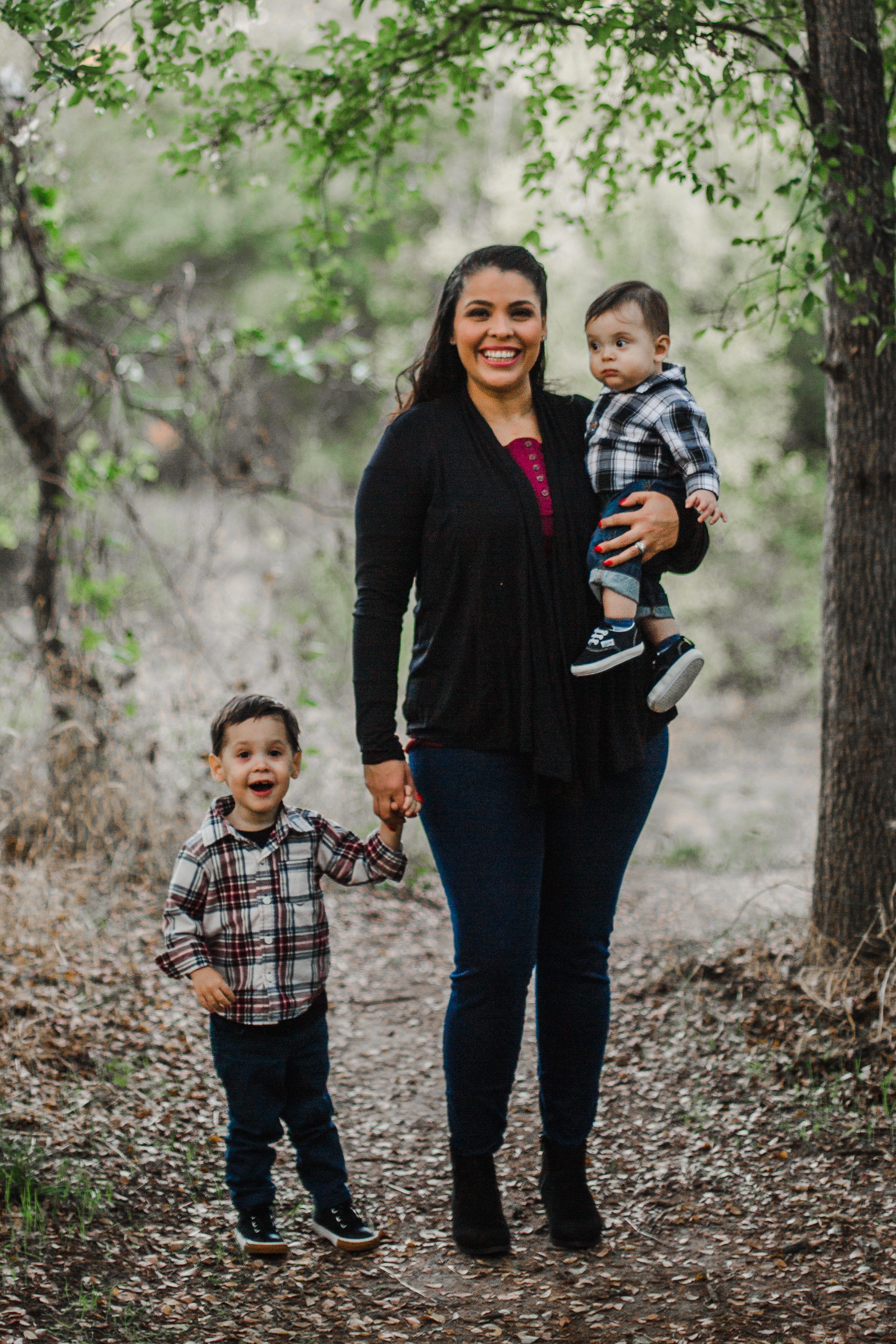
Cobb’s journey never reached an emergency room or courtroom. She moved through her depression and later found purpose in helping other moms. But the experience also changed the family she imagined for herself.
Today, Cobb is a nurse and postpartum infant care doula building The Motherline, a local organization focused on supporting mothers through the postpartum period. While she believes support can make a difference for mothers, a third pregnancy is not in her future.
“My fear for going through postpartum again is that intense… I could not see myself doing it again,” Cobb said. “The joy of having a baby doesn’t outweigh the bad.”
And that’s one of the more subtle ways postpartum mental illness can leave a mark, not just through a tragic headline, but in changing the dream a family once held.
Where Texas families can turn for immediate help
If postpartum psychosis or an immediate safety risk is suspected, seek emergency medical care. Check out the resources below:
National Maternal Mental Health Hotline: Call or text 1-833-TLC-MAMA (1-833-852-6262) for free, confidential 24/7 support for pregnant and postpartum people.
988 Suicide & Crisis Lifeline: Call or text 988 for immediate mental-health crisis support.
Postpartum Support International: Offers support groups, education and a directory of perinatal mental-health providers.