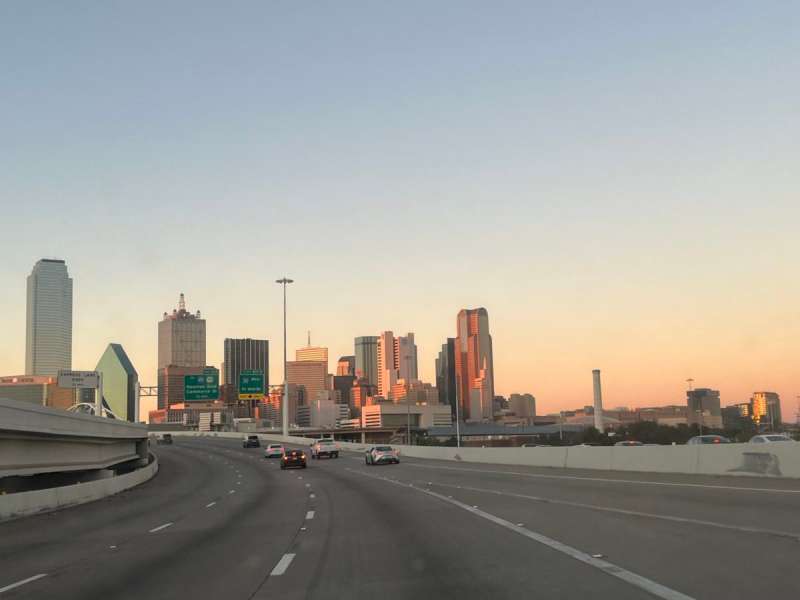
The tollway—in North Texas, it’s as unavoidable as overpriced housing and as ubiquitous as queso on a menu. It is the thing that separates living in the Dallas-Fort Worth metro from all other metros in the US and, perhaps, one of the most jarring things about moving to the area: The tolls are everywhere, and they’re expensive.
I moved back to Dallas in 2020, working remotely and living in very walkable Uptown. I waited 11 months before buying a car and then when I did, we were still in dire Covid-19 times. There were no vaccines yet, so socializing with family members across the metroplex didn’t happen much. As things felt safer and I started to build a bit of a social life, the cost of jetsetting around DFW set in. Going out of my way 15 or 30 minutes to avoid the tolls didn’t make sense, so my toll bill increased from maybe $30 a month to more like $75.
To visit my mother (who lives 25 miles away) and drive back home on the Dallas North Tollway cost me about $9. That is a costly check-in!
At the end of 2024, I found myself with a nearly $300 bill that had not been registered to my toll tag, nor had I received notices about the balance. I couldn’t believe it.
For the next couple of weeks, I avoided the tollway, burning double the gas: What should have been a 40-minute drive one day took me an hour and a half on I-75. Frustrated, I finally went in-person to an NTTA location, only to find out I was being charged like I didn’t have a toll tag. That’s double the rate, and to make things worse, I had accrued fees for late payments after my automated payment setting was disabled.
Considering all the money associated with buying and maintaining a vehicle—registration and emissions fees, purchasing car insurance, not to mention gas—I hate that we also have to factor in the cost of simply driving on a road that makes our commute shorter. North Texans have been completely overwhelmed by the growth of the area and what that means for their wallets. Tolls seem like one of the things lawmakers can reform to make life easier for folks. So why hasn’t it happened yet? I needed to learn more.
The toll system has become predatory
Tollways were originally a response to rapid population growth. It takes a while to build new roads to accommodate new residents and Texas, like other states, turned to tollways as a way to fund the expansion of highway construction quickly. But now there are more than 50 toll roads in Texas, spanning 850 miles—more miles than any other state, with the exception of California. How’d we get here?
There are 50 tollway systems throughout Texas, but the Dallas North Tollway (DNT) and the President George Bush Turnpike (PGBT) are the longest ones. The DNT is nearly 60 years old and was originally a road that went between downtown Dallas and I-635, until it was decided it’d be tolled to pay off a bond amount needed to complete the project. Back then, a Texas Tollway Authority manager said, “When revenue bonds for a project are finally paid off, however, the facility reverts to the state as part of its highway system, to be used free.”
The DNT has never been toll free or run by the state’s highway department. The bond was paid off in 2005.
By the time the first part of the PGBT was finished, tolling was already the norm, so there were no implications the road might become free at any point. In fact, NTTA continues to make the toll road even longer.
Proponents of toll roads might argue they offer another means of paying for the construction and maintenance of new roads to sustain a city’s growth. People do want easy access to the places they frequent, and developing roads is how lawmakers and state agencies can offer that. But at what point do they become more of a hindrance than a help?
Most people in DFW are affected by the tollways, even if it’s something they only use a few times a month. A hundred dollars might be a small price to pay for convenience for some, but let’s remember that Dallasites earn an average of $60,000 a year and Fort Worthians around $55,000. Even before considering the latest changes in the cost of housing in the region, an $100+ toll bill feels really significant for a majority of North Texans.
So then the question becomes: is a toll-covered region necessary to pour back into the area’s infrastructure as it grows? Or is it a money grab in a bad disguise?
Well, as residents, we’re already paying a gas tax, vehicle registration fees, rental taxes, and state sales tax— all meant to help pay for the area’s highways. The state also uses other federal funds and levies from oil and gas companies. This seems like plenty of revenue streams to cover the toll roads as well.
If this is simply about making more money, let’s look at who is most affected by this greed and really any forms of inflation—our most marginalized neighbors. Low-income families suffer the most from tolls. These residents also tend to be the people who don’t work remotely and rely on the tollways to commute to work. They also don’t have the luxury of time, so even if there’s another route available they may still need to take the toll road to get to another job or pick their kids up on time.
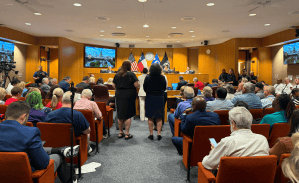
In 2019, a Republican Texas senator spoke up about how predatory the toll system was becoming: State Sen. Bob Hall called the toll system “toll road mafia gods” and said this was an example of double taxation because the fees are too high. Hall said using the tollways is not a choice for the “worker” like it is for the “executive.” Significant toll fees are a sneaky way to get the credit for not raising taxes for residents, but introducing another tax that the average person wouldn’t even register as such.
NTTA racks up
Texas has been the biggest producer of tollways than any other state in the last 20 years—and North Texas has more tolls than the rest of the state combined. The North Texas Toll Authority (NTTA) is estimated to have made $1.19 billion in toll revenue in 2024, according to a commissioned NTTA study, and that number is predicted to double in the next 20 years.
Meanwhile, Dallas-Fort Worth International Airport is one of only two airports in the country that require drivers to pay a fee to access their roads.That means those dropping off or picking up a passenger pay $2 to enter the airport if staying under 30 minutes. DFW cites that they maintain their own private roads with the revenue, splitting it with NTTA.
Recently, I asked subscribers of my newsletter how much they spend a month in tolls and more than a quarter of them pay more than $100 a month. With my jaw still on the floor, I took my question to an online community forum and asked Dallasites to tell me about their experiences navigating the toll system in North Texas. Here’s what they said:
“I’ve been paying $120 for so many months I don’t even know what I’m paying anymore.”
“Have paid thousands, suffered scofflaw holds, (restrictions on vehicle registration) loss of time, and many headaches. All these payment plans and bill bargains…never an option for me.”
“$2000 🫣….had to pay to get my license renewed🤮…don’t use tollways anymore”
“It’s their predatory fees that kill you. $30 something bucks to mail you an invoice.”
“Omg! Yes they’re the worst with the fees. I once owed over $3,000. I wasn’t notified until the amount was way too high. Then it was a hassle to try and make a payment, I had to go in person.”
If you’re frustrated by our tollway system, here’s my advice to you:
- Hold your lawmakers accountable. Write them and tell them you want toll reform to be a priority.
- Pay close attention to your TollTag account. It seems like NTTA makes a lot of its money by hoping you miss things and then charging you astronomical fees as a result. Be a diligent customer.
- If there is a problem with your bill, go talk to an agent in person. It is a time suck, but you’re more likely to get fees dropped and issues rectified in person than over the phone.
- If your job location requires you to take a toll road daily, ask your employer for accommodations. See if they can issue you a monthly stipend to cover them.
With a modicum of sacrifice, I can pay an unexpected bill and go into one of the very few NTTA locations to solve problems and get fees waived. But what about those living in North Texas with less resources, less time, and purely unaware of how these systems are designed? I can’t imagine how much of a burden this could be for someone working multiple jobs, a single parent, or an elderly customer who may have trouble navigating the site and assessing their bill.
This system is broken and while the metroplex racks up buckets of money from high-earning newcomers, increased property taxes, and a constant stream of visitors, what should be lawmakers’ number one concern— the residents—are left to drown in DFW 2.0—east coast inflation capitalistic trickery without a beach. Tell me these aren’t our southern values.