Zahrah Butler is running out of time. The Houston-born Harvard scholar is looking to archive the living histories of Black sharecroppers in East Texas and Northern Louisiana—Butler’s own bloodline. But as Black rural communities get swallowed up by industry and illness, documenting untold Black stories becomes a race against the clock, but Butler has a plan.
Texas and Louisiana have been linked since the time of slavery. The borderlands between the states were places of particular violence between the Civil War and Reconstruction. Even after slavery became illegal, white Southerners continued practices of dispossession and forced labor of Black people, transitioning enslavement into a new iteration of the same system: sharecropping. These states had the highest concentration of formerly enslaved people and simultaneously, the highest concentration of Klan lynchings.
Sharecropping, most common in the American South, meant that newly freed Black people rented land from white landowners and paid their rent through crops, creating cycles of debt and poverty that kept the hierarchies of slavery preserved. Over the years, emancipated Black communities were built around the sharecropping farms, carving their own way in rural areas.
Butler is working on an ethnographic study—a long-term immersive project told from the point of view of the subjects—to save the stories of these descendants. In a series called “Worlds Within Worlds: Landscapes of the Black Southern Gothic in the Piney Woods”, the graduate student studied the lands surrounding the Piney Woods.
Butler recorded sounds, images, oral histories, and experiences to better understand what life was like for Black Texans from emancipation to today.
The 24 year-old plans to compile their findings into a multisensory project that will allow audiences to navigate the sounds, sights and feelings of the communities they worked with. Butler hopes to one day integrate the stories into larger archives that focus on Black Southern communities post-abolition, like the Texas Freedom Colonies Project.
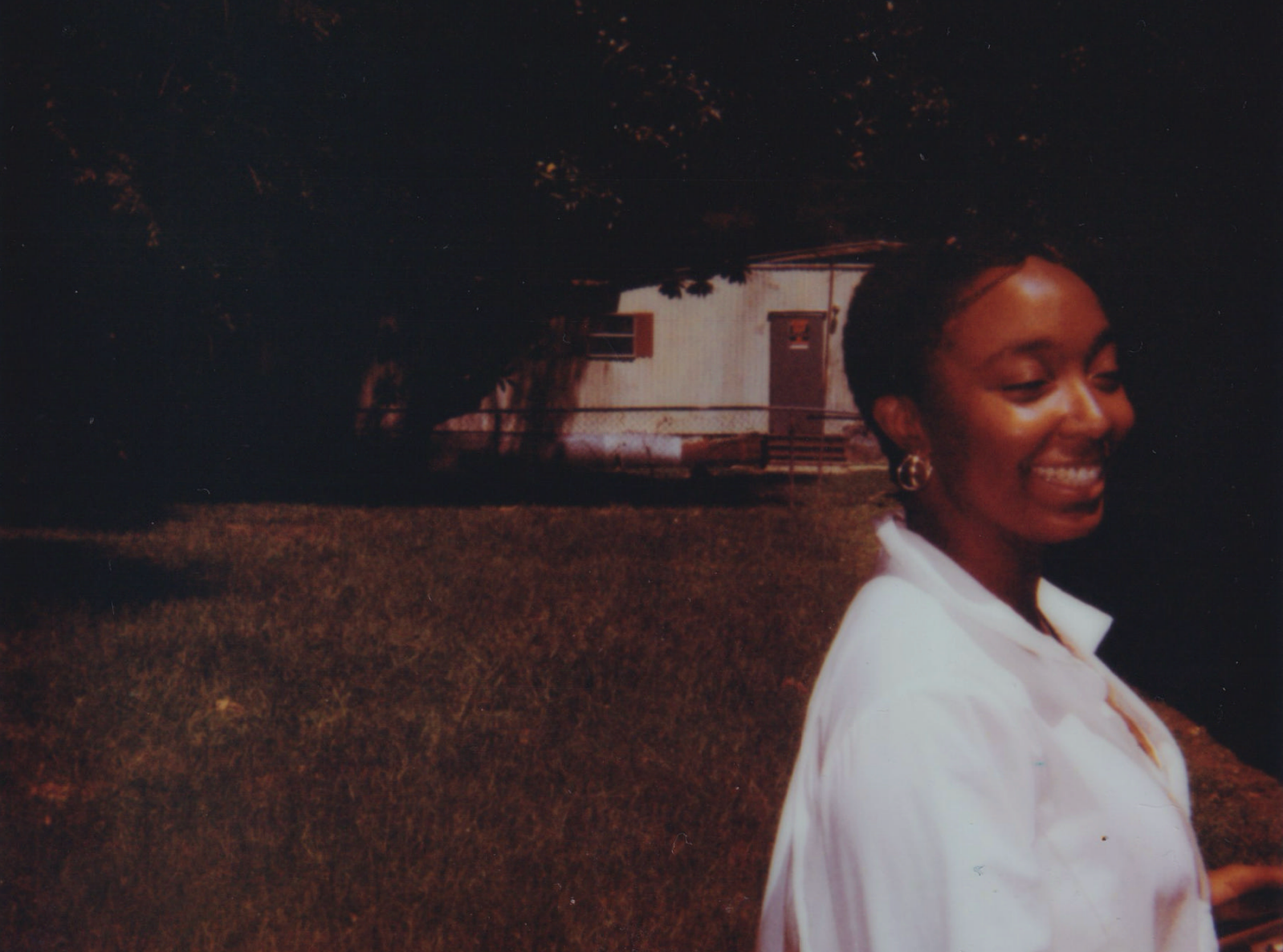
”I study how enslaved people understood the literal landscape of home, family, and community,” Butler said. “Because every day we interact with our environments and our ecologies, but they’re easy to take for granted. So that’s why I’m interested in looking at the things that are seen but unseen.”
What Butler refers to as the “seen but unseen” are the not-so-hidden histories of racism and classism that society chooses to ignore.
“ Growing up in Texas, histories and the legacies of enslavement, they’re literally right in front of you,” said Butler. “I’m from Sugarland, where you pass the former plantation grounds every single day. You need to be looking for what’s in plain sight, because where we’re at socioculturally and politically, there’s an active desire to repress these stories, and there’s an active desire to lean on that natural transition in time that leads to the death of the elders to rip that history away.”
Interviewing the last generation
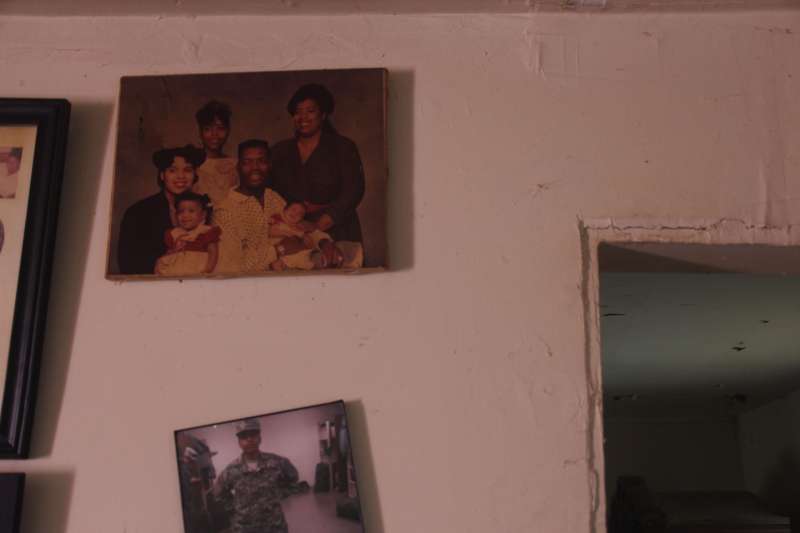
Butler interviewed the now elderly descendants of people who were enslaved and sharecropped and live in more isolated, rural, and poor regions of East Texas and Northern Louisiana. Butler’s family has lived in that same area since the 1830s. Profiling elders allowed Butler to reach the last generation of people to live and work on the land.
The core of Butler’s project was to archive the oral and visual history of their great-great uncle Thomas Walker Hudson. Hudson was from Shongaloo in Webster Parish, Louisiana, where his grandparents were born into slavery. He was born into a sharecropping family before moving to Houston, where he built his own family and worked as a plumber. In the latter half of his life, he returned to live on family land in Webster Parish, priding himself on being a blue-collar worker with strong ties to the land.
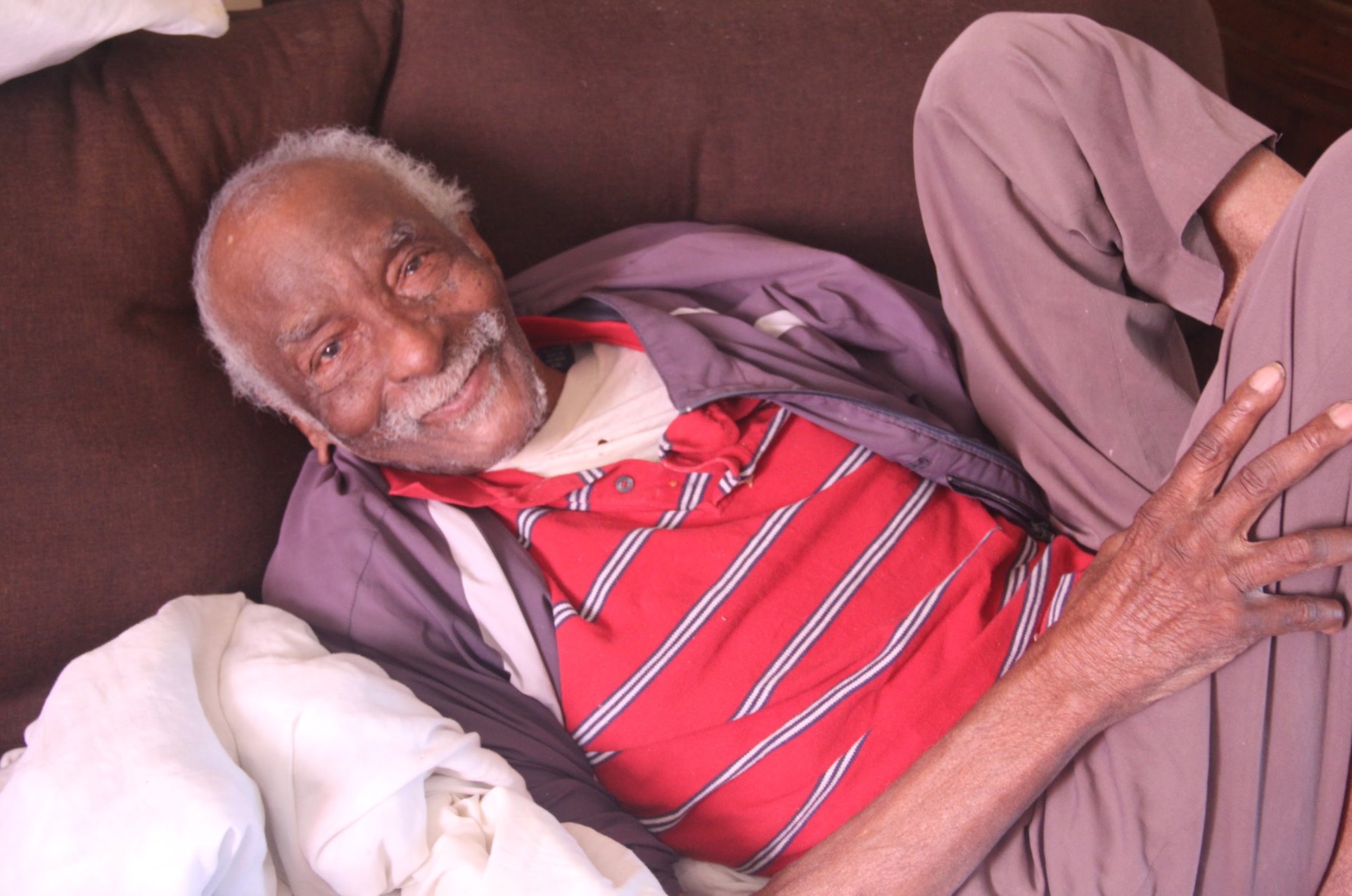
Butler’s project is one that has simultaneously preserved their family history and helped process grief—Hudson died not long after the interview. Butler thinks he knew it was the end.
“I was talking to him about those questions and those themes especially because he was sick. He had prostate cancer, and he knew that the twilight of his life was coming,” said Butler. “What does this land mean to you? I was able to get that story right in time.”
Butler took photographs of the ecology around their uncle’s community, turning those photographs into postcards that they sold to fund end-of-life care for Hudson.
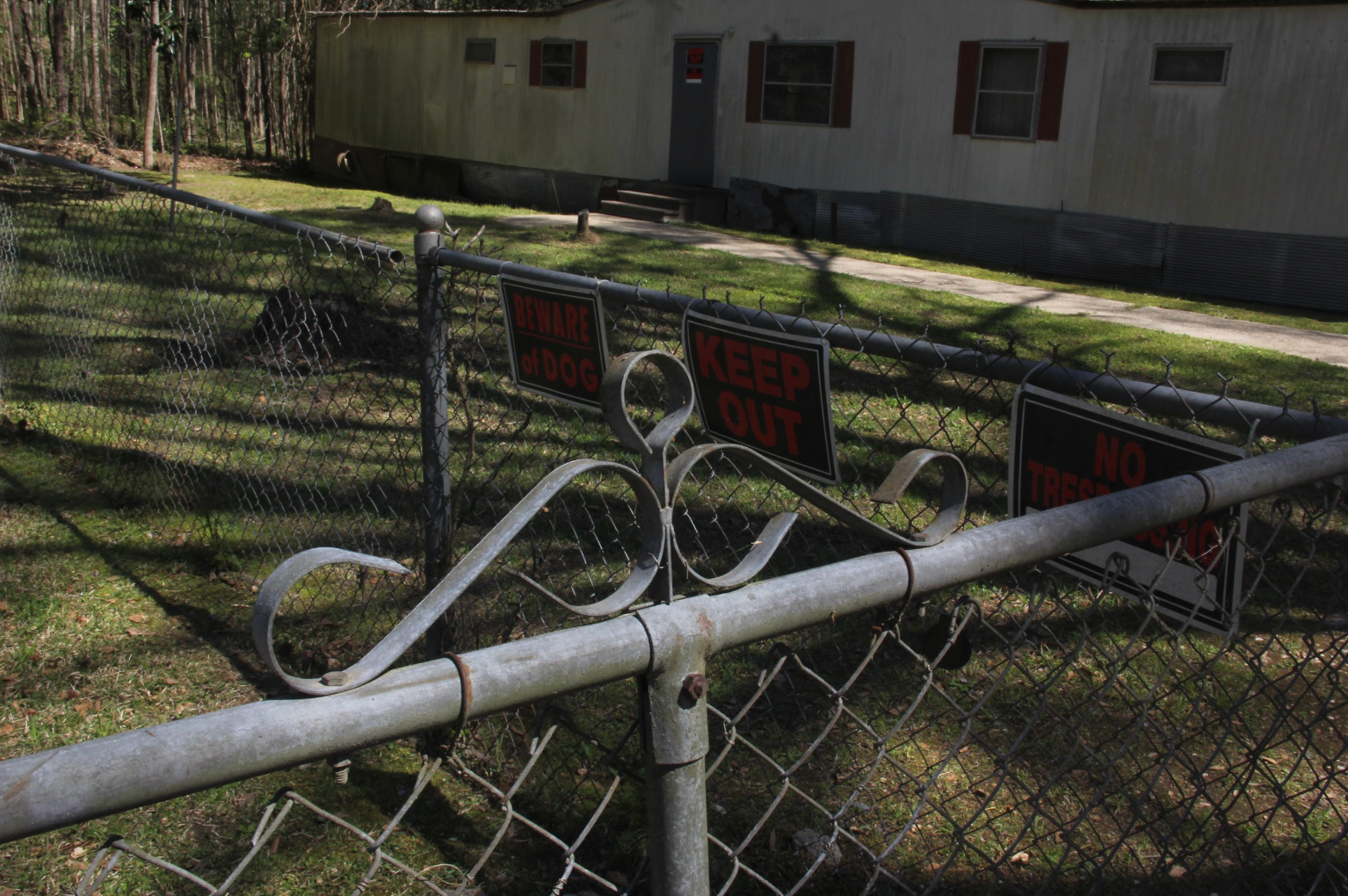
Butler worked with other southern-born students at Harvard to curate the feeling of the region through the postcard series, including audio storytelling and recordings of natural sounds of the area, developing what they call “sensoreality”, or a representation of the feeling of being in a place. But the Houstonian’s preservation of Black stories from the Southern borderlands is running on borrowed time.
“We’re at one of those turning points where you really do lose hundreds and hundreds of years of history because of the death of a single family member who never got to tell their story on camera or write it down,” said Butler.
Not only does old age threaten the vitality of this living history, but the encroachment of modern technology does, too. Two data centers have been proposed for East Texas, worrying local residents who have built their homes in the quiet peace of the Southern wetlands. Data centers are known to increase noise and air pollution, raise electricity bills for locals, and contribute to water waste and scarcity by draining natural resources.
“We’re losing time because people are dying, but we’re also losing the land because of climate change and active destruction,” said Butler. “It’s really hard to think about how to continue to make a meaningful and growing, lasting, positive impact on these communities when I don’t even think I’ll have the time to let this project mature.”
The clock ticks loudly for archivists like Butler. And with that comes another grief.
“Ten years from now, these towns will not exist. They will not be municipalities anymore. They won’t have post offices, fire departments. They won’t have mayors. They’ll be consumed by the local economy and data centers, quite literally.”
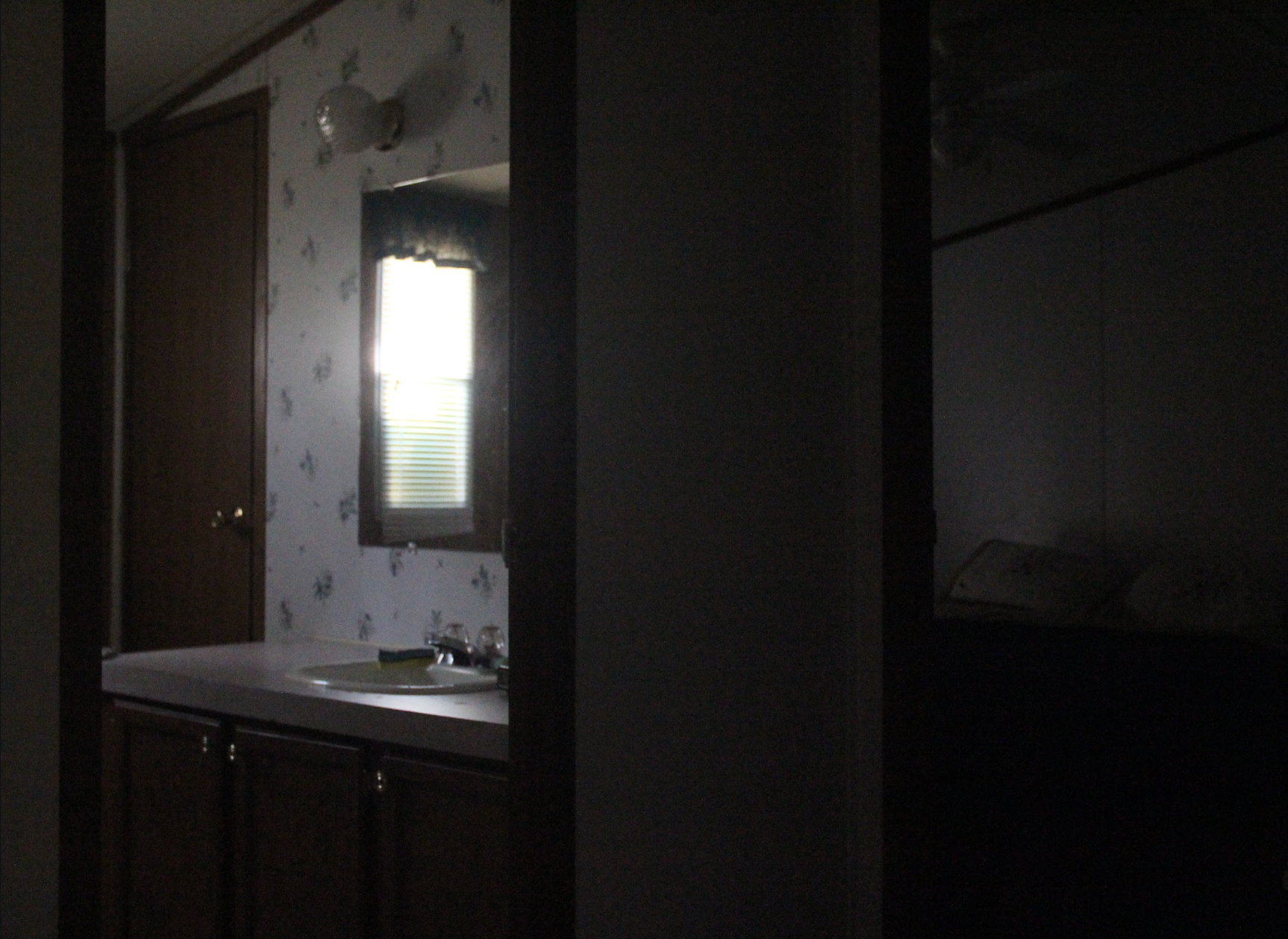
Butler’s project comes at a time when media surrounding the Southern Gothic genre is taking off online, with movies like Sinners using the swamps of the South to make hundreds of millions of dollars.
“People forget these places are hallowed grounds that are still left behind and alive,” said Butler. “My uncle is dead. His house will rot and fall into the river. As the river floods, his house will go with it. But that doesn’t mean that his life wasn’t lived there.”
Butler says that the artistic direction of the postcards they made comes from the “Southern Haunting”—an idea adjacent to the Southern Gothic, but more reflective of the rapidly disappearing nature of the people and land that make up the culture.
Postcards for a cause
Part of Butler’s goal in creating this project was providing relief from the generational poverty inherited by the descendants of enslaved peoples. East Texas experiences higher poverty rates and lower wages compared to the rest of the state, and a majority of the country, which has lead to chronic health issues for many.
Butler said because they value giving back to the communities they work with, they started selling the postcards on Facebook and Instagram, resulting in $1,203 raised for groceries and medical equipment for their uncle before his death—essential funding to give the elder a dignified passing. Butler plans to continue the postcard series to support other Black elders from the same area.
Butler hopes the project’s multisensory completion will show their audience that the South is a place of living histories—histories they believe we are obligated to preserve. Through visual elements and audio recordings, Butler conjures a version of rural Texas loud with the sounds of their family’s stories.
“You can hear the haunting. You don’t have to see it. It’s in the things that people take for granted. The smell of burning wood, somebody just cutting trees down. Dogs barking far away, somebody’s rooster, old people fussing and cussing and playing dominoes.”
But the fight to preserve these stories isn’t over yet.
After Hudson’s passing, Butler’s family learned that their land was reclaimed by the state and then purchased by white absentee landowners. The family is working to reclaim the land that birthed their family for generations.
To support Butler’s continued storytelling, order your own southern gothic postcards here.