By Freda Ross
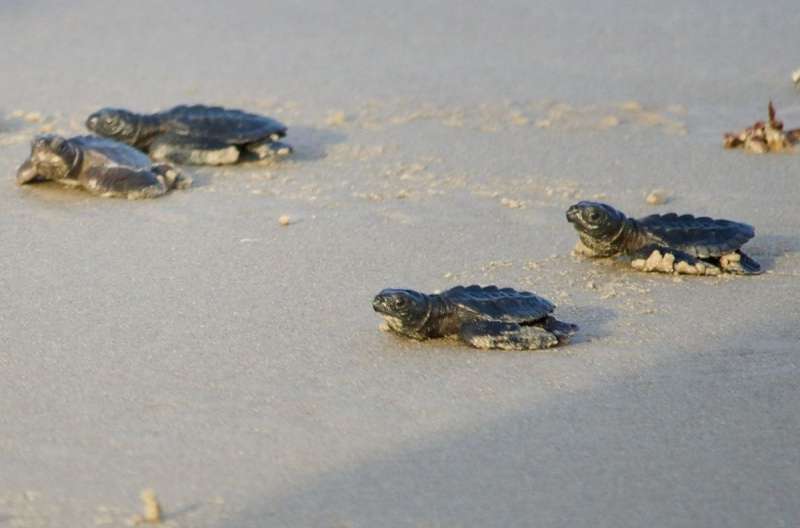
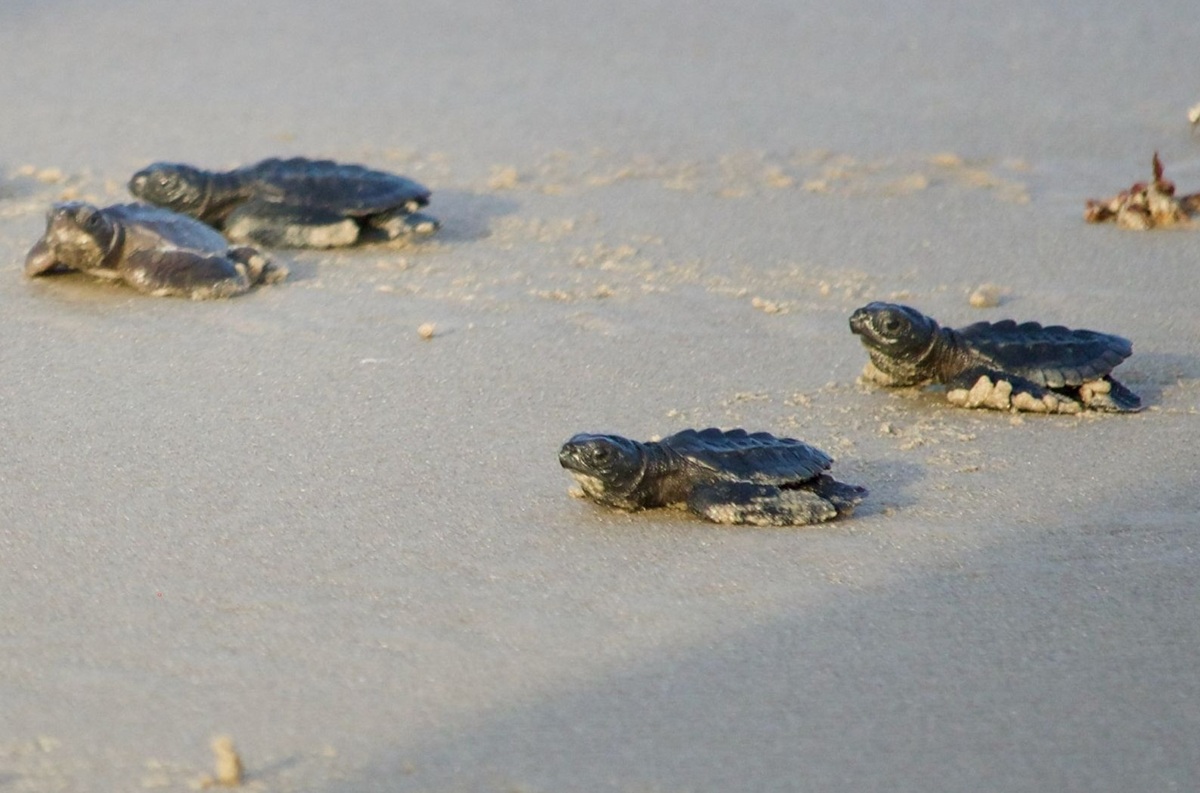
Proposed changes to the definition of legal terms outlined by the Endangered Species Act could increase the risk of extinction for the golden-cheeked warbler, Ridley sea turtles and other Texas animals, according to wildlife conservationists.
An internal Fish and Wildlife Service memo showed the agency plans to change the definition of the word “take” in the legislation to cover only intentional acts killing endangered animals.
Grahame Jones, executive director of the Texas Conservation Alliance, said the changes could mean developers will not be as cautious around animal habitats.
“These guardrails are there for a reason, to protect the most vulnerable species and the most vulnerable animals and their habitat that are out there. And so what this would do is it really takes those guardrails away,” Jones contended.
Previous changes to the Endangered Species Act
The Wildlife Service also narrowed the definition of the word “harm” in the ESA earlier this year. The change removed safeguards against habitat modification and degradation killing or injuring protected wildlife.
The Wildlife Service argued several core protections remain in place. Multiple lawsuits have been filed to try to turn back the changes.
Jim Murphy, associate vice president of legal advocacy for the National Wildlife Federation, said if the changes are not rescinded, he is hopeful companies will continue to work to preserve endangered animals.
“I think there are a lot of industries actually that pride in their measures to protect species and have done a very successful and commendable job doing industrial and commercial activities on the landscape while protecting species,” Murphy observed.
Jones stressed if the decisions are not reversed, they will cause the extinction of certain species and he urged Texans to reach out to lawmakers.
“If I were to make one suggestion, it’d be to call, email your members of Congress and your US Senators and tell them how you feel and why, because it’s very important to the future of conservation and for future generations,” Jones emphasized.
Related: How 650 acres near Lake Palestine became Texas’s newest park-in-the-making