Reporting by Felicity Guajardo, Corpus Christi Caller Times
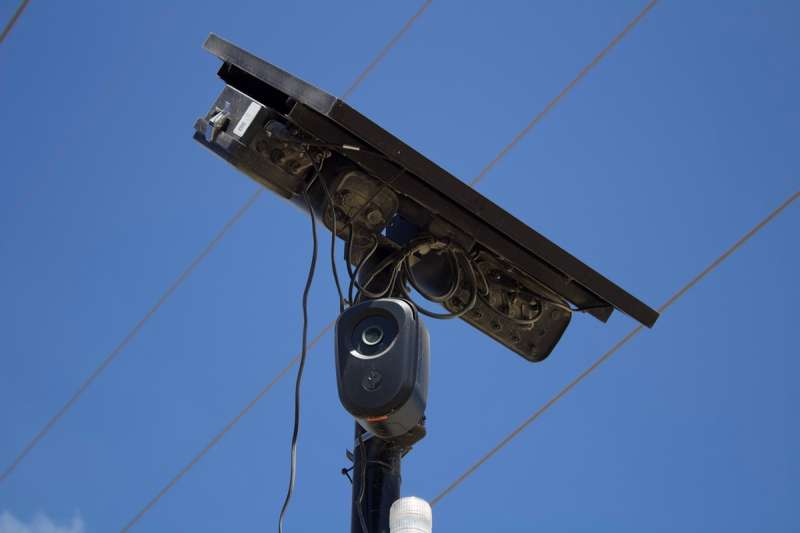
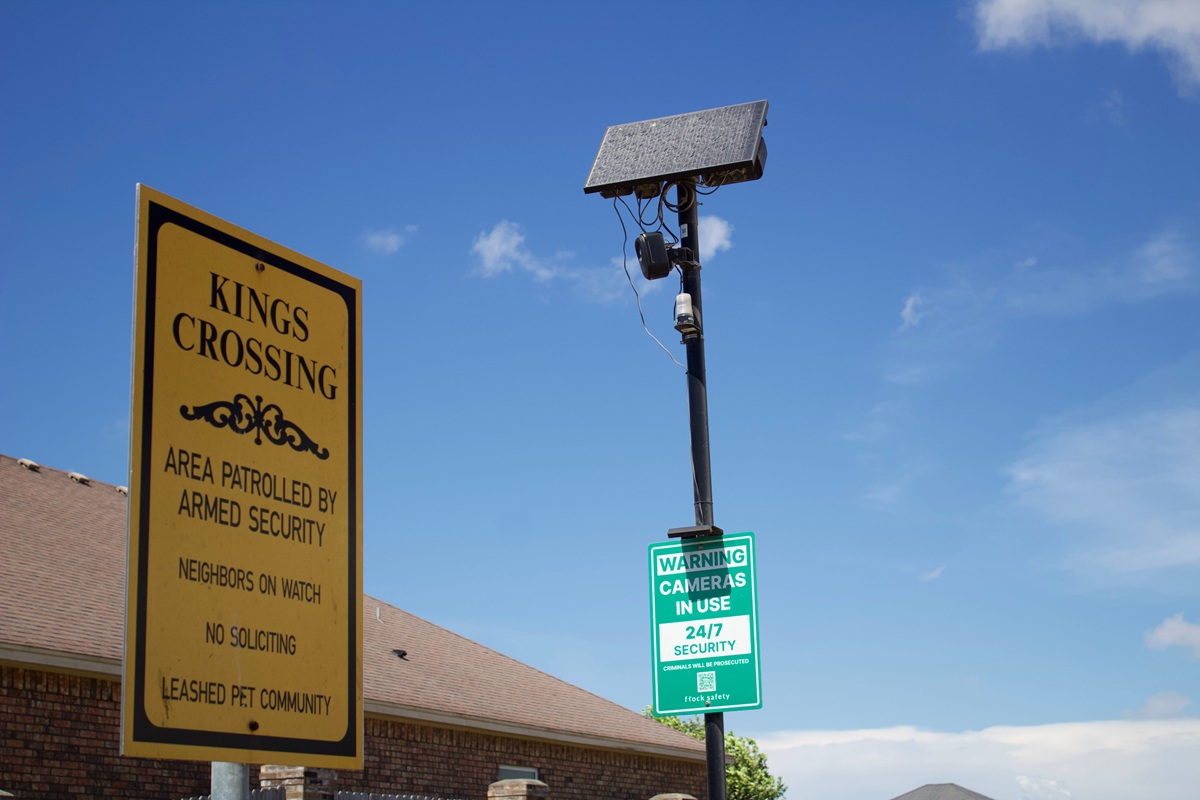
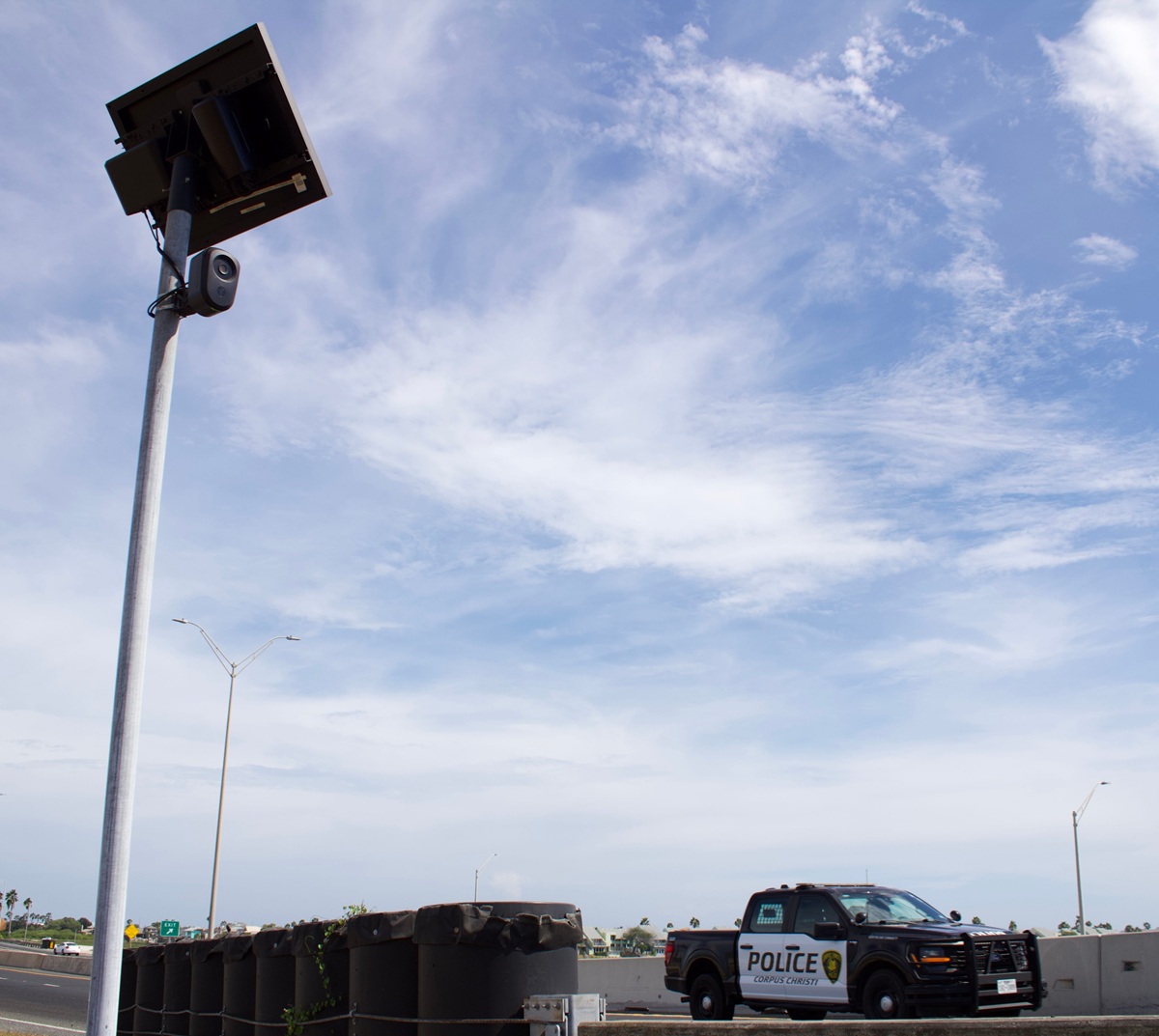
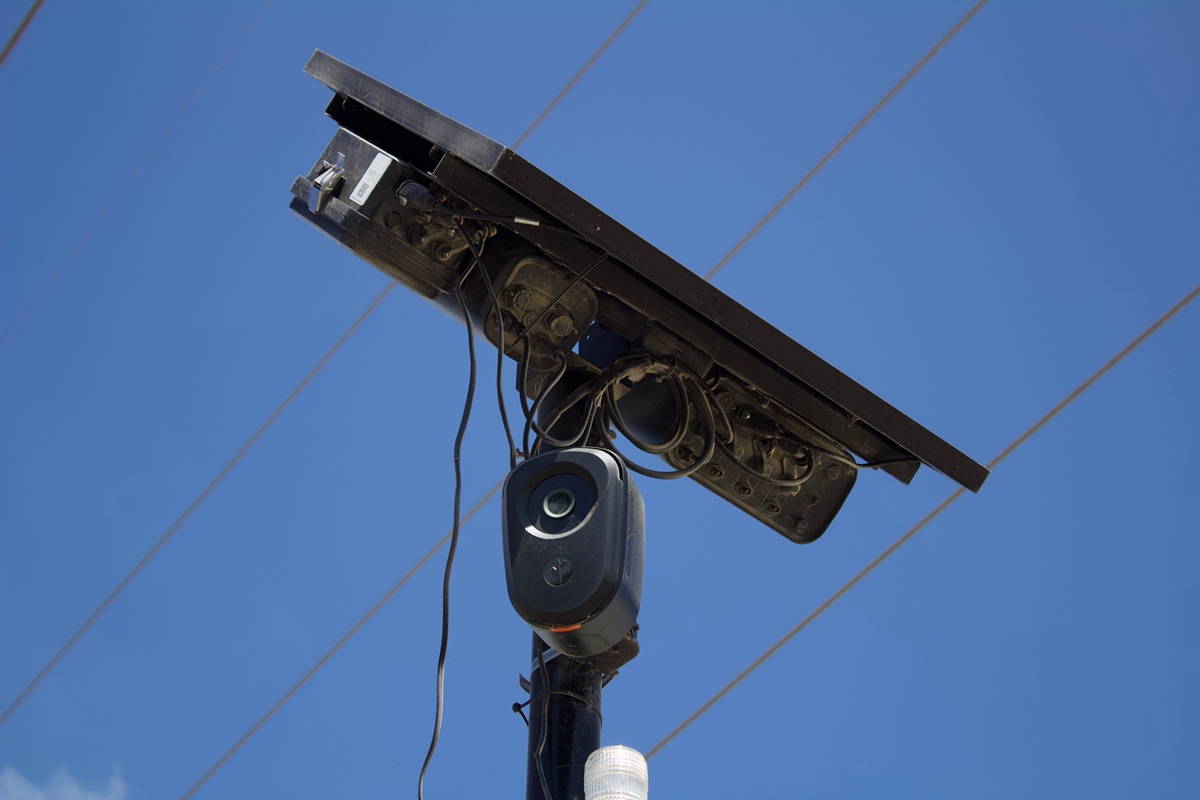
Amid growing privacy concerns regarding license plate reader technology, more cities in South Texas are reviewing their contracts with Flock Safety, which offers access to AI-powered cameras, and are providing more information about the technology to the public.
The cities of Aransas Pass and Ingleside voted to terminate their Flock Safety contracts but are still awaiting confirmation about termination penalties and equipment removal.
The city of Rockport could be considering action related to its Flock Safety contract on Sept. 22, according to Rockport Police Chief Nathan Anderson.
The item is tentatively scheduled to be included on the City Council meeting agenda, which would include a presentation by the Rockport Police Department.
The license plate reader subscription from Flock Safety is able to alert police departments of license plates associated with stolen vehicles or other crimes. Officer should then verify license plate photos through the Texas Crime Information Center, National Crime Information Center or the department “hot list.”
Aransas Pass Flock termination
The Aransas Pass Police Department previously had access to 10 license plate readers manufactured by Flock Safety. The original funding for the technology, totaling $20,000, was granted in 2022 by the Motor Vehicle Crime Prevention Authority, a state agency.
In 2023, the Crime Control and Prevention District funded a five-year contract renewal valued at $126,300, an October 2023 purchase order showed.
Aransas Pass Mayor Jason Knight said the five-year contract did not include termination language or an “ironclad” payout to end the subscription.
The Flock contract states that removal of equipment would cost the city $500 per camera and city officials are working on clarifying what penalties they could be facing from termination.
Knight said police access to the Flock database became inactive shortly after the vote to terminate and that all data stored within Flock would be deleted after 30 days.
Aransas Pass City Council member Ruth Camarillo-Smith said that residents are supportive of local law enforcement but believe Flock cameras are an overstep.
She also emphasized that funds toward public safety improvements could be better spent elsewhere.
“We need to look at every dollar and [make] sure that we have a measurable value for every dollar of the city’s tax money that we spend,” she said. “So, looking at ways to maybe improve public safety with those dollars instead of putting them towards a system that our community did not want in place.”
Aransas Pass Police Chief David Perkins did not respond to requests for comment.
The Caller-Times made a public information request to the police department regarding how Flock cameras have assisted in investigations and all “hits” or leads resulting from the Flock database, but it was pending as of Sept. 16.
Ingleside Flock termination
A state grant awarded to the Ingleside Police Department for fiscal year 2025 covered nearly $25,000 for the purchase of six Flock cameras along rights-of-way, including one on city property.
The city is under contract for another year with Flock at the cost of $18,000, but is awaiting confirmation if that cost will have to be paid in order to cut ties.
If so, the payment would come from Council Discretionary Funds, up to $22,000, to cover termination fees.
A report dated Sept. 8 shows that Ingleside police officers searched the Flock database 316 times to assist in drug/narcotic investigations, the most common offense type.
The second common was motor vehicle theft, searched 123 times by officers.

Ingleside City Council member Steve Diehl said that although the technology has helped with solving local crimes, there was ultimately too much room for abuse of the system.
“It’s the potential of it falling into bad hands, and that’s really what started all of this,” Diehl said.
He said he was mainly concerned with data privacy and made a distinction between law enforcement’s and private entities’ use of the technology.
“If you drive through homeowners associations, apartment complexes, you’ll see Flock cameras … but you can’t control their employees who may or may not have access to the data by walking in and looking at the computer,” he said.
“And for that reason, I know Flock has a lot of people worried about the third-party service and about the ability for people outside of law enforcement agencies to view this data.”
Ingleside Police Chief Martin Molina declined to comment about the termination, saying “it is in progress” with the city attorney.
What actions are being taken by other cities?
After the rise of resident concerns, Rockport police published a Flock Transparency Portal and their License Plate Reader Policy on Aug. 27.
As of Sept. 9, the Rockport Police Department stopped sharing data within the Flock Safety network and lowered the data retention rate to seven days instead of the standard 30 days.
In 2026, Rockport police had made 21 arrests as of Aug. 27 with the assistance of Flock license plate readers, with the majority being for theft.
Robstown Police Chief Mike Tamez said he has no plans to deactivate the technology.
Robstown police officers have access to 22 license plate readers in total, including 18 Flock cameras, according to Tamez.
He said that since Gov. Greg Abbott paused state funding for Flock cameras in late August, 12 of those cameras will be affected, and he will be pursuing federal grants to keep them in service.
Tamez said that Flock cameras have been a useful tool for the police department in assisting with investigations of robberies, thefts and some murder cases.
“As long as we just continue to use it lawfully and ethically, then I’m not going to pull the system,” he said. “I believe in preventing crime, I believe in increasing crime solvability, and those are great tools as long as we rein in how the officers use those tools.”
Tamez said only one instance of misuse has happened where a police officer did not enter a case number required for search authorization; the officer received a written warning.
Despite the controversy surrounding Flock cameras, Tamez said he believes the technology is crucial for police work.
He noted the court case United States v. Porter affirms that license plate reader technology does not violate privacy rights since a license plate photo is captured on a public roadway.
In this case, the 5th Circuit Court of Appeals also distinguishes LPR systems as having limitations compared to cell phone location data, which “provides a more intimate window into a person’s life.”
Despite controversy surrounding the advanced technology, Tamez believes it could make all the difference in locating missing persons or children, he said as an example.
“I care more about finding your kids, even if it is with Flock cameras, than I do about folding to political pressure.”
Felicity Guajardo covers breaking news and public safety. Contact her at felicity.guajardo@caller.com.
This article originally appeared on Corpus Christi Caller Times.
Related: Are Flock cameras tracking you? Here are 4 tools you can use to check