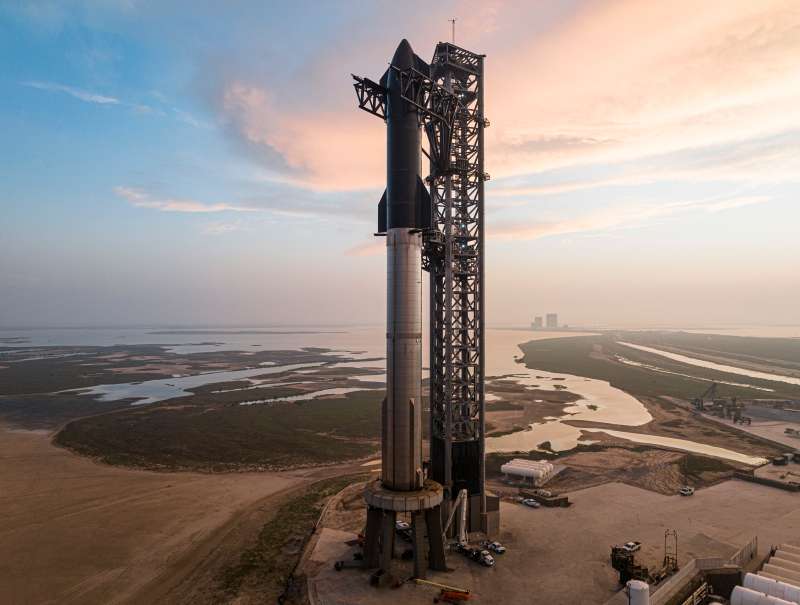
South Texas is getting another Starship launch, but this one is expected to look a bit different.
SpaceX is targeting Monday, Sept. 28, for its launch of Starship Flight 14 from Starbase, near Boca Chica. If everything goes according to plan, it will be the first Starship mission to enter orbit around Earth, marking a new phase for a program that has so far flown suborbital test trajectories.
The 75-minute launch window opens at 7:15 a.m. Central Time and runs through 8:30 a.m. SpaceX still describes Sept. 28 as its earliest possible launch date and says the mission remains pending regulatory approval. The FAA’s current operations plan also lists Sept. 28 as the primary date, with Sept. 29 as a backup.
And this won’t necessarily be a quick launch-and-done situation.
If the mission goes as planned, Starship is expected to circle Earth about six times during a flight lasting nearly 10 hours before splashing down in the Pacific Ocean west of Chile. SpaceX also plans to deploy 26 next-generation Starlink satellites along the way.
Here’s what you should know before Flight 14 blasts off.
What makes Flight 14 different?
The biggest difference is that SpaceX plans to send Starship into orbit for the first time and release satellites.
These are designed to help provide faster and more reliable internet service through the company’s Starlink network. Once released, the satellites will unfold their antennas and solar panels, connect with the rest of the Starlink network and eventually begin providing service to customers.
What happens after liftoff?
About two minutes after launch, Starship and its Super Heavy booster are expected to separate. The booster will head toward an offshore landing area in the Gulf, while Starship continues toward orbit. Satellite deployment is expected to begin a little more than half an hour after liftoff. Nearly nine hours later, Starship is scheduled to perform a deorbit burn before returning through the atmosphere and eventually splashing down in the Pacific.
What else is SpaceX testing?
Getting Starship into space is only part of the challenge. SpaceX also needs the spacecraft to survive the extremely hot trip back through Earth’s atmosphere.
Starship is covered in thousands of heat-resistant tiles that act like a protective shield. During previous test flights, SpaceX says some of those tiles came loose or were exposed, so they’ve made changes aimed at keeping them attached and better protecting the spacecraft during reentry.
Engineers will essentially get a close-up look, in real-time, because three of the Starlink satellites will carry cameras to monitor Starship and see how it all holds up.
Can you watch it in person?
There is no public SpaceX viewing area or visitor center at Starbase.
State Highway 4 and Boca Chica Beach are accessible while open, but both are closed for Starship launches. On launch day, the closest public viewing is across the water on South Padre Island, with Isla Blanca Park among the closest commonly used spots, about five miles from the launch site.
Can I just watch from home?
Yes, and you might want to keep the stream running for a while.
SpaceX says its webcast will begin about 30 minutes before liftoff and is expected to continue through splashdown. Because Flight 14 could last nearly 10 hours, viewers may get hours of live video as Starship circles Earth.
One last thing: Check before making plans
Starship launch dates have a habit of moving.The flight remains dependent on testing and regulatory approval. So whether you’re heading toward South Padre Island or watching from the couch, check the Flight 14 page again before grabbing the keys.