The midterm elections are right around the corner, and Texas is facing some big decisions about who will take office. In years past, these decisions were celebrated with colorful Election Day traditions that have since faded into history.
These traditions were large events hosted by party workers and politicians who usually wanted to sway voters to choose a specific candidate. In the 18th and 19th centuries, voting wasn’t a protected right for many, and to bribe Texan voters, party workers would use every tool in their arsenal to convince the public to exchange their vote for a good time. These traditions involved sweet treats, music, free rides, and parades through town.
Here are a few retired Texas Election Day traditions that disappeared with tighter election laws.
Election Day barbecues were first popularized during Andrew Jackson’s presidential campaign, linking politics and the grill for many years after. One of the first records of Texas holding Election Day barbecues is mentioned in an 1860 newspaper, which recounts the town of Belton and their Democratic Party holding an “old fashioned barbecue” on Nov. 3. The event was eventually co-opted in the 1920s as the Ku Klux Klan began to use barbeques as ways of advertising their own candidates for political office.
Texas used to have color-coded party ballots known as colorados y azules, or reds and blues. The ballots appeared in either color and were used for voters who didn’t speak English or couldn’t read. This meant voters could only vote for all Republican candidates or all Democratic candidates. While this system was in use, parties operated under “boss rule,” where a group of politicians exercised political control over a city using manipulation and bribery. For example, money was offered to Mexican American voters in exchange for their support of certain candidates.
In the 1920s, color-coded ballots were retired.
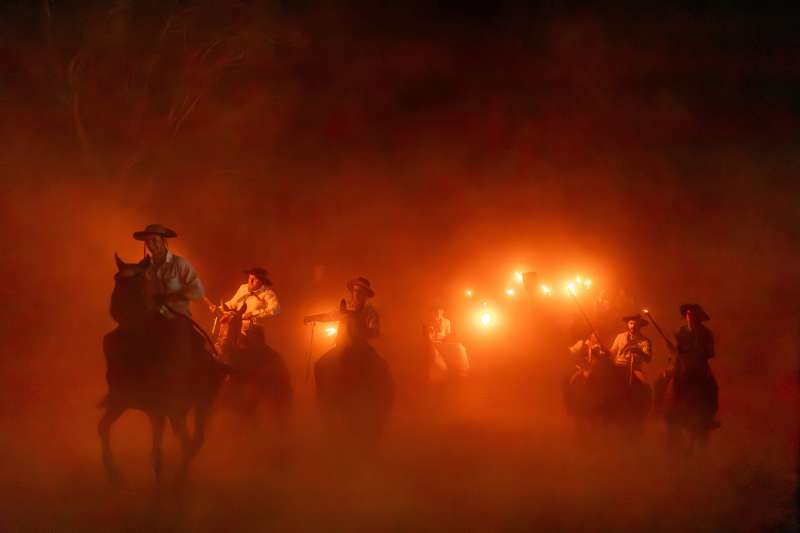
In the 19th century, it was common to hold parades the night before an election. People marched down the roads with lit torches, and leaders from both parties would ride horses through the streets, shouting in excitement and anticipation over the next day’s results. Torchlight parades for special occasions go back centuries in Texas, but have since been retired from popularity and are particularly frowned upon in recent years because of an infamous 2017 white supremacist rally in Charlottesville, North Carolina characterized by the lighting and carrying of torches.
In the 19th century, Texans geared up for voting by hosting giant dances before going to the polls. Crowds of people congregated at dance halls, where bands performed as politicians tried to persuade voters to pick certain candidates. Relying on stereotypes of the Mexican American majority, white politicians handed out ice cream and alcohol to bribe attendees to vote for particular candidates
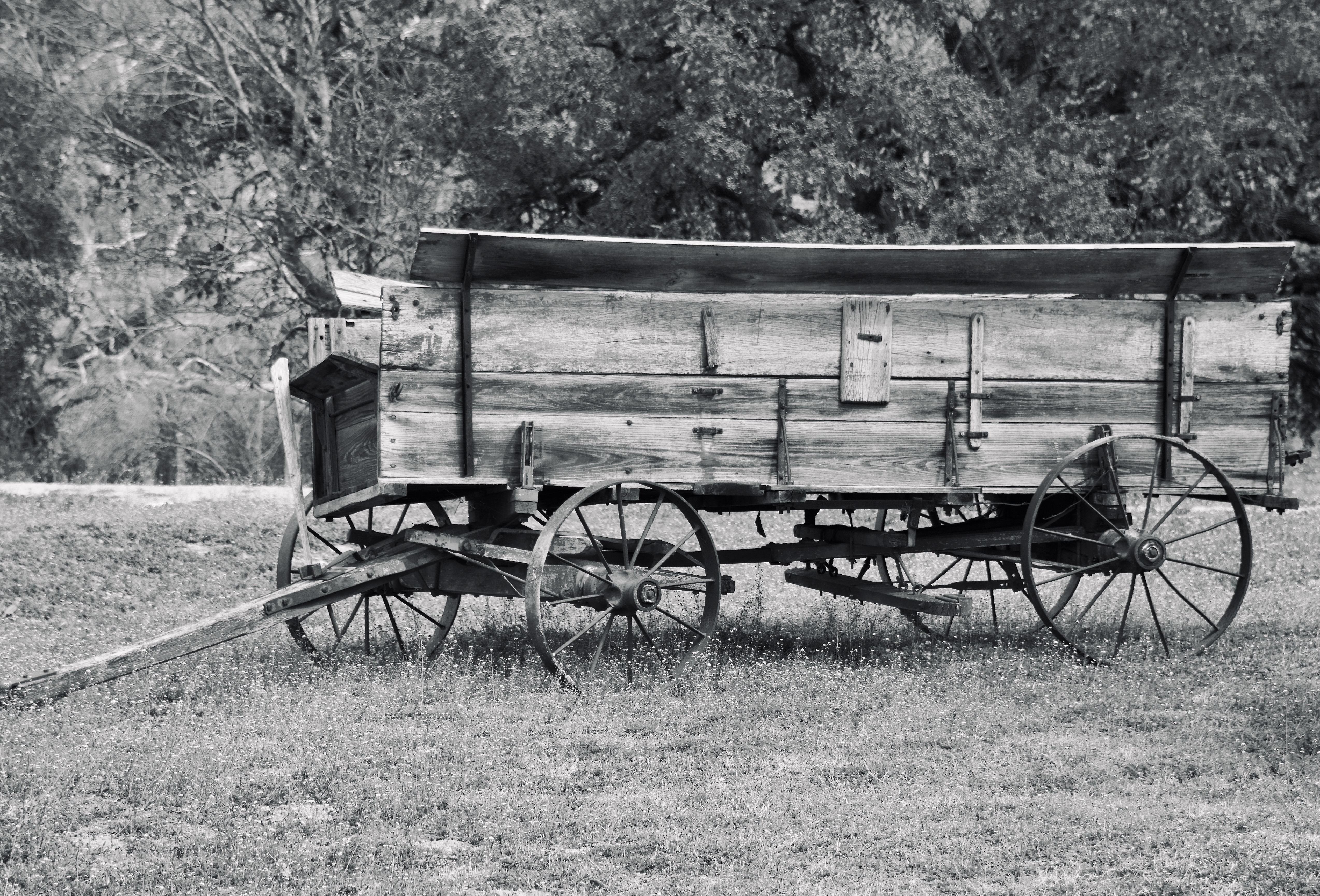
Texas politicians would arrange wagons to pick up big groups of ranchers from farms and bring them into towns to vote. These wagon rides were often followed by parades and dancing, and party workers would try to influence the farmers’ votes.