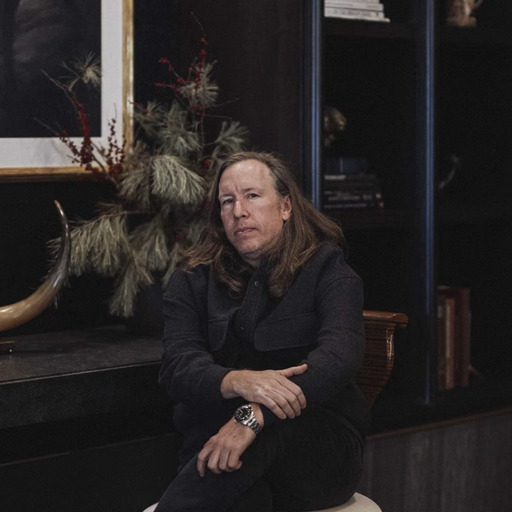
A year into running for Congress, Bobby Pulido’s campaign trail has taken him well beyond traditional political stops.
The longtime Tejano singer has spent much of the past year meeting voters face-to-face across Texas’ sprawling 15th Congressional District, often in places that look more like family gatherings than campaign events.
And now, he can add one more title to a resume that already includes Latin Grammy-winning artist and congressional candidate: padrino.
Pulido said one family recently asked him to serve as godfather at a child’s baptism this September, an invitation he plans to accept.
Call him “Padrino Pulido.”
The moment fits a campaign that has increasingly centered on one simple philosophy: show up.
“You can’t want to go represent an area if you don’t show up,” Pulido told COURIER Texas.
Pulido, an Edinburg native who has spent three decades in Tejano music, launched his Democratic campaign in September 2025, saying he wanted to use the voice and platform he had built through music to advocate for South Texas on issues including affordability, healthcare and immigration.
He is challenging the Republican incumbent, Monica De La Cruz, for Texas’ 15th Congressional District, a seat that stretches from the Rio Grande Valley up through rural parts of Central Texas. It includes 11 counties under boundaries redrawn by the Texas Legislature. De La Cruz became the first Republican elected to represent the historically Democratic-leaning district in 2022. The majority Hispanic area has since become a key test of whether Democrats can regain favor with Latino voters who have shifted right in recent elections.
Nearly a year later, Pulido says his campaign has connected with roughly 20,000 people through direct, face-to-face voter outreach. A move he believes can matter more than television ads or name recognition.
The experience, he says, has taught him as much about the district as it has about politics.
A different venue, a bigger mic

Pulido has spent decades performing in front of crowds, but campaigning has required a different kind of public exposure.
He knew from the beginning that the district would be difficult terrain for a Democrat. Trump carried it by 18 points in 2024, while De La Cruz won reelection by 14 points after becoming the first Republican to represent the district two years earlier.
Still, Pulido said his perception of the race began to change as he traveled through the district’s northern, more Republican counties.
He expected skepticism. Instead, he said he found voters willing to hear him out.
“What I see is a lot of people that are very conservative that say, ‘I like what you have to say,’” Pulido said. “And more importantly, ‘I believe you.’”
That experience has reinforced the central themes of his campaign: voters are increasingly frustrated with both political parties and are more interested in whether a candidate will represent their interests.
“Voters want you to be loyal to them, not to your party,” he said.
Pulido describes himself as a Blue Dog Democrat, a label generally associated with more moderate Democrats, and says he’s willing to break with his party when he believes South Texas needs something different.
Of all the issues where that tension could wind tightest, immigration may be the most difficult—and the most urgent.
The hardest issue to solve
Immigration remains one of the biggest issues in South Texas, where federal enforcement policies affect not only border security and mixed-status families but also industries that rely heavily on immigrant labor.
In recent months, South Texas builders have publicly warned that elevated US Immigration and Customs Enforcement activity has contributed to worker shortages and project delays, as some immigrant workers stay away from job sites out of fear of detention. The Texas Tribune reported that ICE had arrested more than 9,100 people in South Texas since Trump returned to office, nearly one-fifth of arrests statewide during that period.
Despite the detrimental impact on the region, De La Cruz voted for Trump’s signature spending law, which increased funding for ICE, and has long supported stronger border enforcement. At the same time, she has said enforcement should focus on violent criminals and has backed legal status for some immigrant workers, including a proposed visa program for construction workers. She also supports the bipartisan Dignity Act, which would offer certain longtime immigrants a path to legal status while increasing border enforcement.
Pulido, meanwhile, said he supports a secure border—“I’m absolutely not a proponent of open borders. Never have been, never will be”—but is highly critical of the Trump administration’s approach.
Pulido described current ICE enforcement as aggressive and said he believes it is hurting the South Texas economy and creating fear in mixed-status families.
“They’re aggressively hunting people,” Pulido said. He also argued that racial and language profiling have become part of immigration enforcement.
Pulido pointed specifically to construction, saying businesses are struggling to replace experienced workers who have stopped showing up to job sites. He said Congress should pursue “a path of citizenship or at least a legal status” for some undocumented immigrants who have built lives in the US.
Pulido said he’d work with either party to find a solution. That is part of a larger frustration he hears from voters; they want solutions more than talking points.
“I’m not afraid to call out my own side if I disagree with them,” he said.
Giving South Texas a voice in Washington
Pulido built a three-decade career in Tejano music, becoming known for songs including “Desvelado” and “Se Murió de Amor.” His music career has taken him far beyond the Rio Grande Valley and given him an unusually close connection to the culture and communities he now wants to represent in Congress.
“Nobody knows our people and our culture down in South Texas more than I do,” he said. “I am emblematic of it.”
That belief has shaped the way he campaigns.
One of the clearest examples came after the March primary, when De La Cruz took aim at Pulido’s celebrity background, telling voters the election “isn’t about who you want performing at your niece’s quinceañera,” but about who they trust with their family’s future.
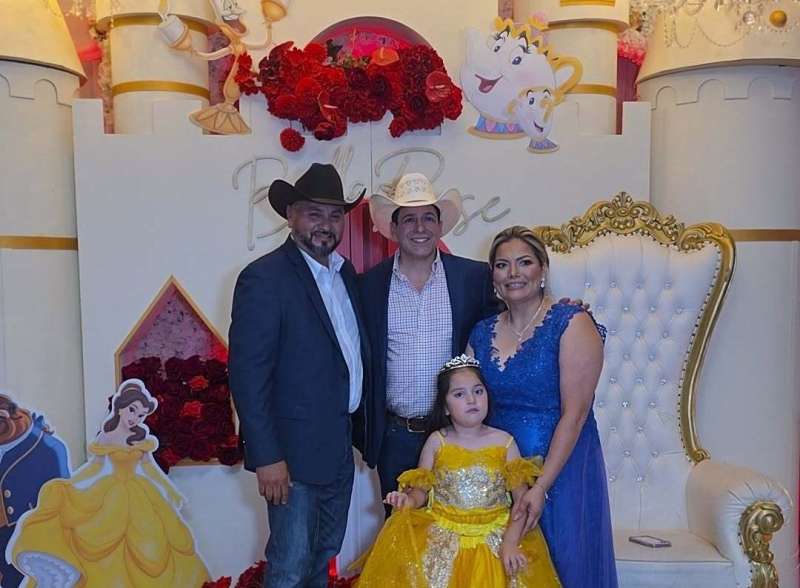
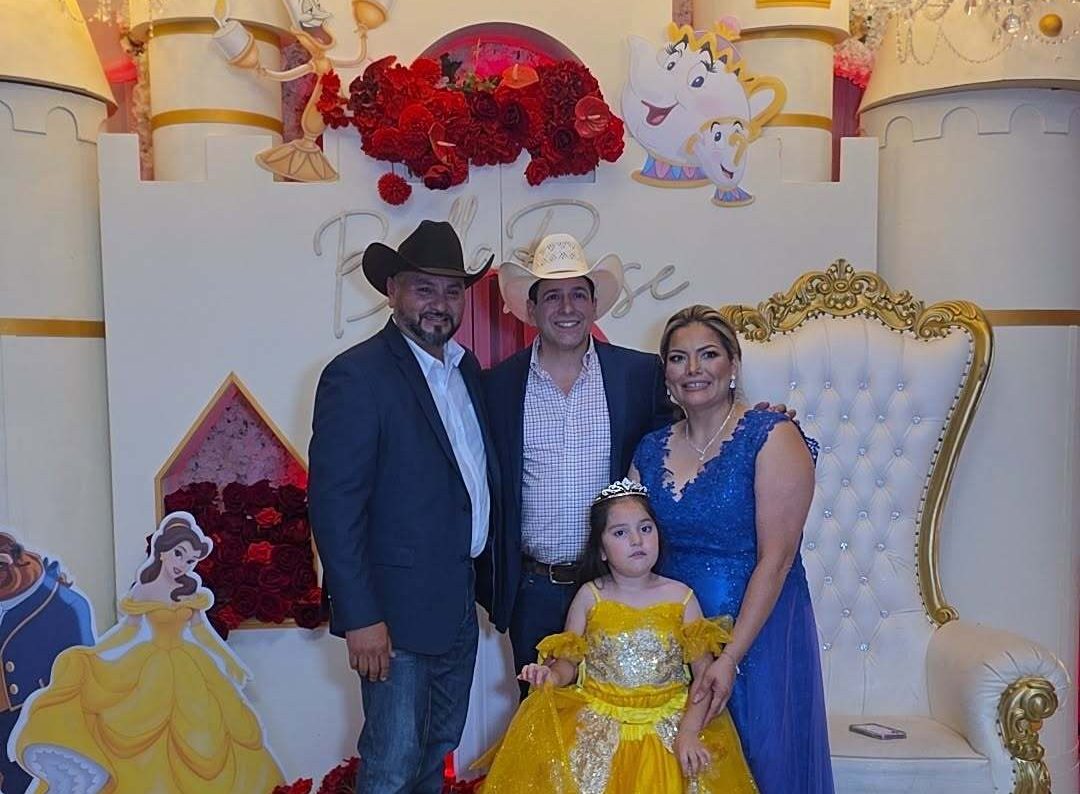
Pulido responded by leaning into the dig, inviting families across the district to include him in their quinceañeras.
“I would not have thought about that,” he said. “She’s probably my best political consultant.”
Pulido said he has now attended 71 quinceañeras, along with weddings, graduations and other family celebrations.
“I’m not crashing weddings,” he said. “I’m getting invited.”
Scrutiny comes with the job
The campaign has also brought a level of scrutiny different from what Pulido experienced as a musician.
Over the past several months, Pulido has faced scrutiny over old social media posts that resurfaced during the campaign, including crude jokes and comments he’s since acknowledged and said he regrets.
He has also faced questions about his past professional relationship with a former band member who had been convicted of a child sex offense. Pulido has apologized for some of his past remarks while arguing that voters he meets on the campaign trail are more focused on what he can do for them today.
Nearly a year after announcing his campaign, Pulido feels good.
“I don’t have any regrets,” he said. “I’m running the race exactly the way I envisioned.”
That could still change, he joked, depending on how the rest of the campaign unfolds. For now, Pulido is enjoying spending time with his fellow Texans.
And whether it is a campaign stop, or a baptism, Pulido’s all in.
“I’m a man of the people,” he said, “and I want to be their champion.”