As Texas heads into another hurricane season, emergency‑management experts and local officials warn deep cuts to the Federal Emergency Management Agency could leave the nation’s most disaster‑prone state dangerously exposed.
Texas relies more heavily on Federal Emergency Management Agency (FEMA) than nearly any other state, averaging $1.4 billion per year in federal disaster aid and has received support for 16 major disasters since 2015. Over the past decade, Texans have collected $11.6 billion in flood‑insurance payouts, the second‑highest total in the country. Harris County alone has 240,100 flood‑insurance policyholders, more than many states.
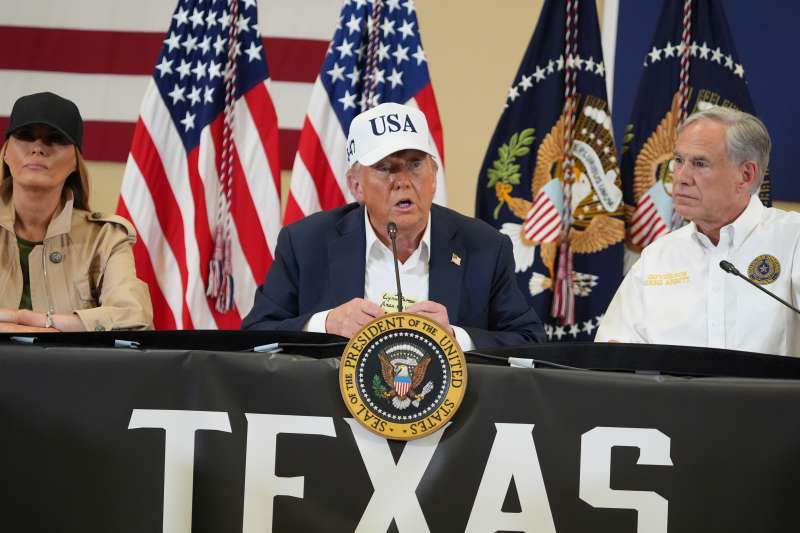
The Trump administration’s stated effort to streamline operations and reduce procedural delays has been cited as a factor behind the FEMA cuts, and FEMA’s capacity has eroded sharply. The agency’s workforce has fallen from 29,000 to 23,000 employees, with another 50% reduction targeted. Leadership turnover has been unusually rapid, with five administrators cycling through the role in 11 months. And FEMA’s Disaster Relief Fund has dropped to $3.6 billion, down from $22.25 billion as recently as October 2024.
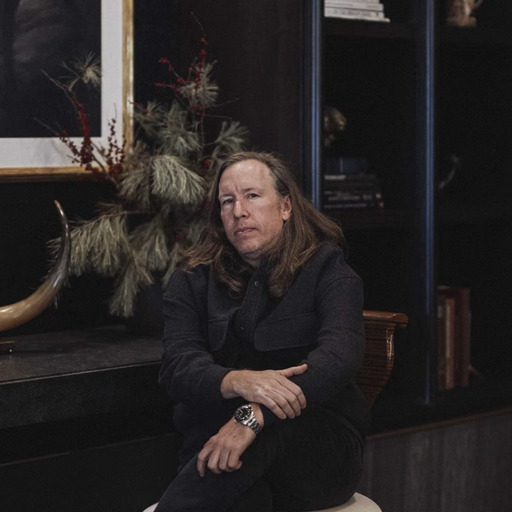
Madison Sloan, director of the Disaster Recovery & Fair Housing Project at Texas Appleseed, a “nonpartisan nonprofit focused on bringing about policies that are fair, just, and equitable for all Texans,” said the findings reflect what she and other experts documented in a recent survey examining the scale of Texas’ reliance on federal disaster support.
“The federal disaster recovery system had a lot of problems, but slashing funding, laying off disaster response staff, and reducing the number of disasters that get federal help isn’t the answer,” said Sloan. “And it’s not going to make Texas safer. This is Texas. We know there are going to be more disasters. What we don’t know any more is whether FEMA will show up or how Texas will pay for it if they don’t.”
The strain on the system was evident during the July 4, 2025 Central Texas floods, the state’s deadliest disaster in decades. More than 135 people were killed, and FEMA’s weakened infrastructure compounded the crisis. The agency’s acting administrator was unreachable for nearly 24 hours, call centers went dark for five days, and only 20% of Kerr County families who applied for assistance were approved.
“In the case of the flooding situation, Kerr County, the state said, ‘OK, we’ll give you 10% of what you need to pay for it,’” state Rep. Vikki Goodwin (D-Austin) told Courier Texas “The county couldn’t come up with the other 90%, so they simply didn’t put in that flood warning system, and that’s where the state could do a much better job of collaboration,” Harris County Precinct 4 Commissioner Lesley Briones says the consequences of further cuts would be catastrophic.
“FEMA is a critical partner to Harris County and has been essential after disasters like Hurricane Harvey and Hurricane Beryl,” said Briones in a statement. “We won’t stand by and watch as the Trump Administration’s continued decimation of this agency puts lives at greater risk. We have already seen the catastrophic consequences of cuts to FEMA staffing, from missed emergency calls after the deadly Kerr County floods to slower response times when communities need help the most.”
Texas also faces a massive long‑term challenge, a $54.5 billion flood‑mitigation need with only $10.6 billion in available funding, leaving a $44 billion gap and no dedicated mechanism to close it.
Sloan said FEMA’s role extends far beyond disaster response.
“Since 2015, Texas has gotten almost a billion dollars a year from FEMA just for disaster response and recovery,” Sloan explained. “That doesn’t include hundreds of millions of dollars for mitigation, including flood mitigation or non‑disaster grants that pay for state and local emergency management capacity. From search and rescue equipment to training for first responders, national flood insurance payouts, FEMA funds the backbone of our emergency system.”
Without FEMA, Sloan says, Texas would be forced to take on billions in disaster costs with no federal backstop. She argues such a shift would leave communities exposed long before the next storm makes landfall.