It’s Wednesday, July 15, 2026
|
|
|
|
Happy Wednesday,
I hope everyone’s enjoying the summer months and staying cool! This week, we have some major higher education headlines to highlight. First, you’ll find coverage on how faculty at Texas Tech University, which has been at the center of a rise in censorship on college campuses across the state, are fighting for autonomy in their classrooms. You’ll also find an update on a coalition’s efforts to reinstill the Texas Dream Act.
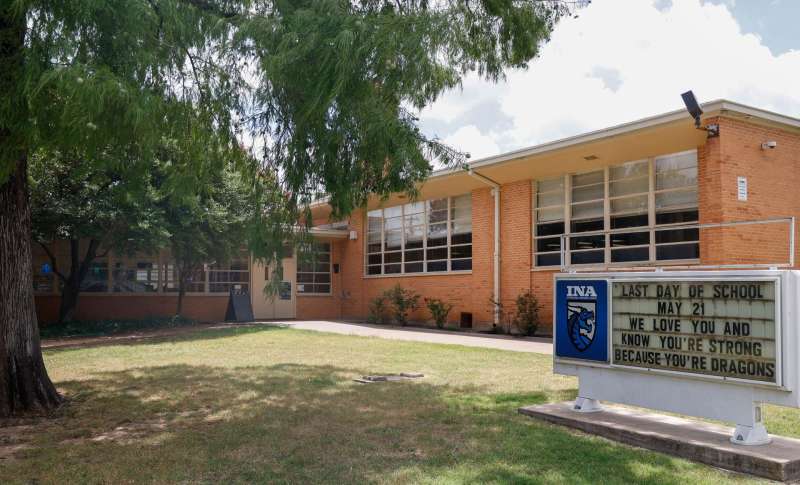
Finally, our DFW intern, Noemi Castanon, caught up with teachers at International Newcomer Academy (INA)—a Fort Worth ISD campus dedicated to teaching immigrant and refugee students English that was shut down as part of the district’s state takeover—to hear how they’re moving forward. Watch one teacher break down the impact INA had on students, and how the loss will affect the Fort Worth immigrant community.
If you missed last week’s edition, read it here.
|
|
|
|
Faculty sue Texas Tech University for ‘imposing a straitjacket’ on intellectual thought leaders
|
|
|
Photo by People Images/Shutterstock
|
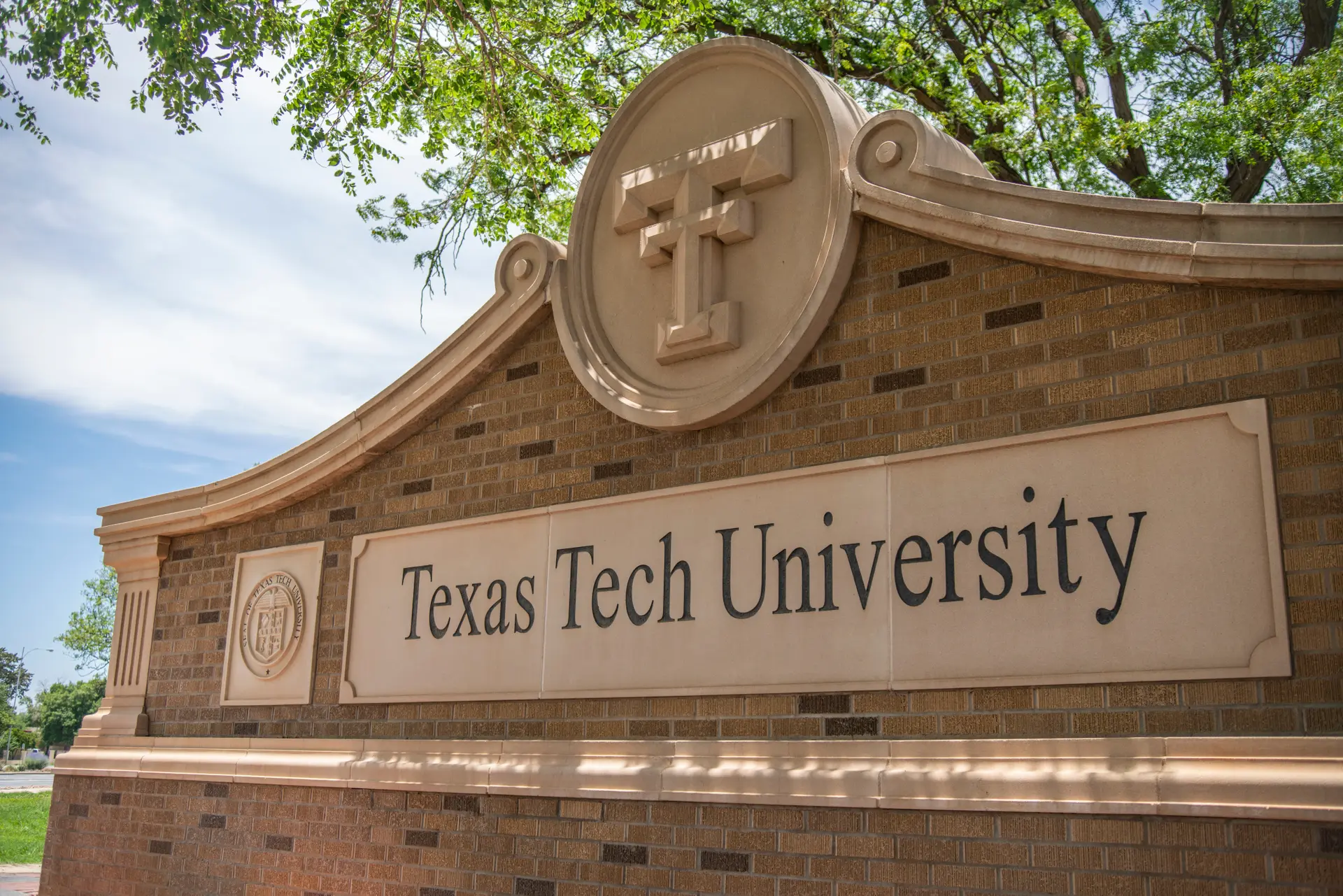
The American Association of University Professors (AAUP) and their Texas affiliate are suing Texas Tech University System Chancellor Brandon Creighton and the system’s board of regents over sweeping policy changes that censor and restrict what professors can teach about race, gender identity, and sexual orientation.
The lawsuit accuses Creighton of “imposing a straitjacket” on intellectual thought leaders, and alleges the “vague” policy changes violate the First Amendment and the Fourteenth Amendment.
In December 2025, he told faculty they could face discipline if they did not comply with new limits on course content involving race, sex, gender identity, and sexual orientation. His order required faculty to submit course material related to those topics for regents to review and approve.
In April 2026, he took it a step further and ordered all academic programs “centered on” sexual orientation and gender identity at Texas Tech University’s five campuses, which includes Texas Tech University in Lubbock, two health sciences centers, Angelo State University and Midwestern State University, to shut down.
Now, the associations are asking a federal court to block the enforcement of Creighton’s two orders and rule them unconstitutional.
|
|
|
|
Federal court lands blow to Texas Dream Act
|
|
|
|
Photo by Emmanuel Offei/Unsplash
|
|
|
|
The Fifth Circuit Court of Appeals—known as one of the most conservative federal appeals courts in the country—denied an appeal on Thursday that would have reinstated the Texas Dream Act, leaving a ruling in place that ends in-state tuition for undocumented students.
Former University of North Texas student and DACA recipient Oscar Silva, Austin Community College, Students for Affordable Tuition, and the advocacy group La Unión del Pueblo Entero were attempting to reopen a 2025 lawsuit that declared the Texas Dream Act unconstitutional.
The policy was signed into law by Republican Gov. Rick Perry in 2001 and allowed students without legal status to qualify for in-state tuition if they lived in Texas for at least three years and graduated from a Texas high school or earned a GED diploma. Texas became the first state in the nation to adopt this kind of legislation.
But in 2025, it was repealed after President Donald Trump’s US Department of Justice sued the state over the policy and Republican Texas Attorney General Paxton agreed that the law was in conflict with federal immigration law.
The federal court ruled 2-1 that the group couldn’t reopen the case to defend the Texas Dream Act because federal law bars states from giving undocumented students a tuition benefit based on residency unless the same benefit is available to all US citizens, regardless of where they live.
|
|
|
|
Fort Worth ISD educators worry immigrant students won’t be supported after campus closure
|
|
|
|
Photo by Noemi Castanon/Courier Texas
|
|
|
|
By Noemi Castanon
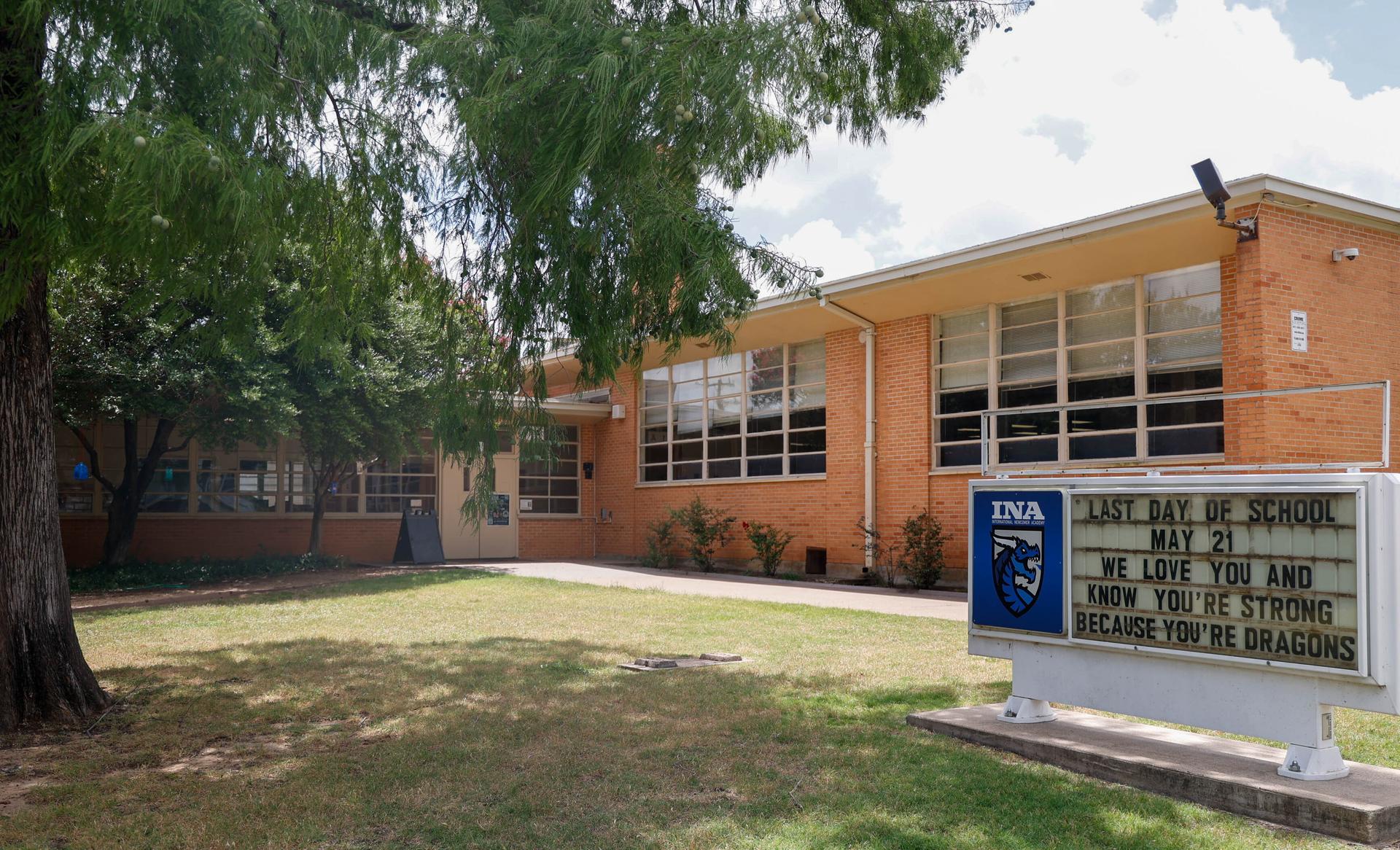
International Newcomer Academy (INA), which served immigrant and refugee students in North Texas, opened its doors to Fort Worth families in 1993. But after 33 years, the Fort Worth Independent School District’s newly appointed board of managers voted to close INA in a unanimous decision on April 28, 2026.
“Myself, being an immigrant into this country, I wish we would have had places like this coming in,” Juan Carlos Guerrero, an in-school suspension and on-campus intervention teacher, told Courier Texas. “It provided a sense of belonging.”
Fort Worth ISD was taken over by the state in October 2025 after one of Fort Worth’s campuses—Leadership Academy at Forest Oak Sixth Grade Center—received a failing accountability rating for five consecutive school years. The takeover has led to mass cuts and campus closures, including INA.
“The district cares very little about the disservice they’re doing to special populations, students with disabilities, and students with language barriers,” Guerrero said.
|
|
|
|
Throughout July, we’re reading “Sold” by Patricia McCormick. The novel was banned in Nacogdoches ISD in 2025, and was one of the most challenged books across the country in 2025.
It follows a young girl from Nepal named Lakshmi who is trafficked in India, and is written in short prose poetry and vignettes.
Here are additional discussion questions to consider as you continue to make your way through the book:
1. How does reading fiction increase awareness of real-world human trafficking?
2. Which relationships become important to Lakshmi as the story progresses, and why?
3. How does the author encourage readers to see the humanity of every character?
|
|
|
|
|
Would you recommend this newsletter to your friends and family?
|
|
|
|
|