It’s Wednesday, July 1, 2026
|
|
|
|
Hey y’all,
After days of deliberation and a months-long process, the State Board of Education passed a first-of-its kind required reading list on Friday. The list makes Texas the first state in the nation to require public students to read passages from the Bible. More on that below.
The SBOE also passed some new social studies standards, but is not entirely out of the woods quite yet. Late Friday, board members approved standards for kindergarten through eighth grade, but postponed a vote on high school courses. The board meets next in September, and The TexEd Report will continue to provide coverage on this ongoing saga.
In today’s edition, you’ll also hear from a North Texas lawmaker on Fort Worth’s state takeover, and we get back to our regularly programmed banned book club.
Missed last week’s edition? Read it here.
Now let’s get into it.
|
|
|
|
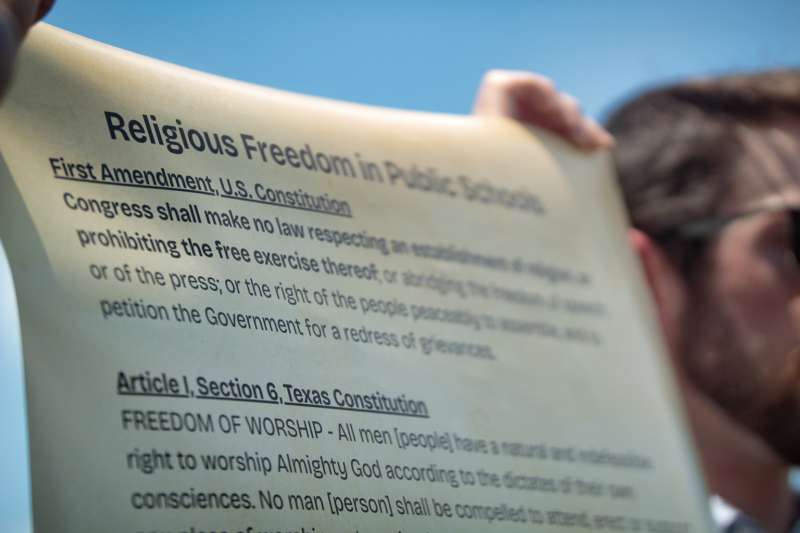
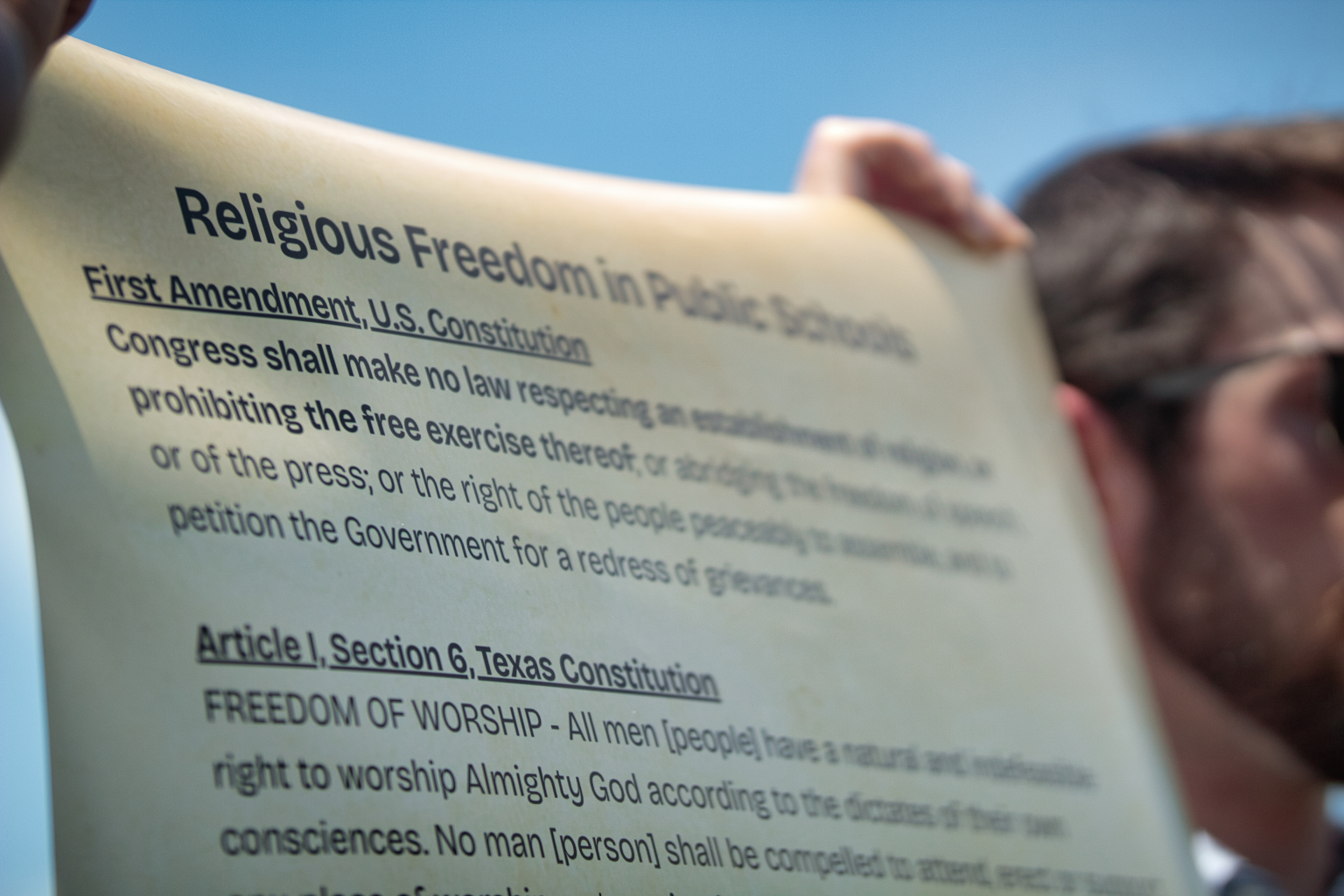
These Bible verses are now required reading for millions of Texas public school students
|
Photos by Jerry White/Texas Freedom Network
|
Texas has become the first state in the nation to require the Bible be read in public schools.
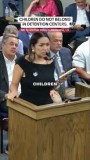
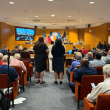
The Republican-dominated State Board of Education approved a required reading list for Texas’ more than 5 million public school students that includes more than a dozen passages from the Bible in a 9-5-1 vote last Friday afternoon.
The unprecedented list, which spans kindergarten through high school, will go into effect starting in 2030. It’s been slammed by critics for being too long, outdated, and not representing any other religious texts.
Students in first grade will read “Jonah and Whale,” third graders will learn about Daniel and the Lion’s Den, and eighth graders will read the entirety of Lamentations 3.
|
|
|
The board also passed new social studies teaching standards for kindergarten through eighth graders Friday evening, but postponed their vote on high school courses, including US history, world history, and world geography.
Several amendments to the proposed standards were deliberated and passed last week, including a US History provision proposed by Brandon Hall (R-Weatherford) that forces teachers and students to “evaluate the negative effects of the counterculture movement of the 1960s through the 1970s, including changing attitudes toward marriage, changes in rates of divorce, and the difference between the rate of poverty in married households and divorced households.”
The proposed standards also cut lessons on slavery, emphasize the role Billy Graham played in fighting communism, and force students to learn about Islam through “the Prophet Mohammed’s brutal military campaigns.”
Additionally, critics have raised concerns that the curriculum is now in chronological order, starting with ancient history in third grade and progressing to the 20th century by seventh grade.
The board is scheduled to meet next at the beginning of September, where they’re expected to make a final vote on the high school standards.
|
|
|
|
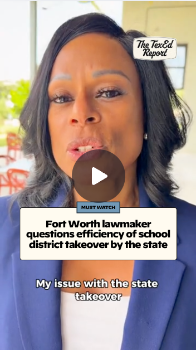
Fort Worth lawmaker questions efficiency of school district takeover by the state
|
|
|
|
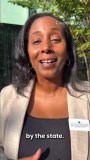
During a Get Out the Vote event in Houston on Monday, State Rep. Nicole Collier (D-Fort Worth) spoke with our HTX Political Correspondent ShaVonne Herndon about Fort Worth ISD’s ongoing state takeover.
She called for more accountability for the state-appointed board of managers who are now running the district, and voiced her concerns about the lack of community input and involvement on the takeover.
Collier also said she is hosting a town hall for community members to discuss the takeover on Tuesday, Aug. 4. If you live in North Texas, stay tuned for more information.
Hear from her below:
|
|
|
|
Our regularly scheduled banned book club is back in session. (ICYMI: During the month of June, I spotlighted an LGTBQ+ book that’s been banned in Texas public schools each week. See the list here.)
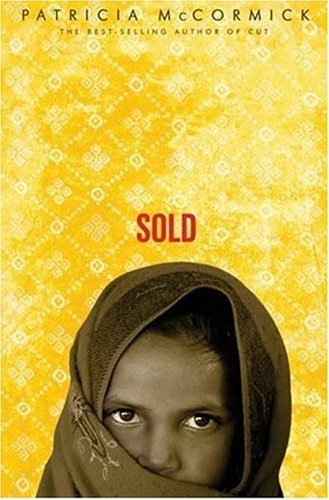
Throughout July, we’ll read “Sold” by Patricia McCormick. The novel was banned in Nacogdoches ISD in 2025, and was the most challenged book in 2025.
It follows a young girl from Nepal named Lakshmi who is sold into sexual slavery in India, and is written in short prose poetry and vignettes.
Here are discussion questions to get you started:
|
|
|
|
|
1. How does poverty shape the decisions made by Lakshmi’s family?
2. Why do you think McCormick chose to tell the story through very short poetic chapters rather than traditional chapters?
3. Before the trafficking begins, does the novel already address subjects that some schools might consider controversial?
|
|
|
|
Would you recommend this newsletter to your friends and family?
|
|
|
|
|