Happy Wednesday!
A few weeks ago, we looked at how artificial intelligence is impacting book bans in schools. This week, we’ll see how it’s impacting courses in higher education.
We’ll also dive into who will be on the ballot for the State Board of Education election in 2026, and break down what its members do.
Finally, I want to let you know that I won’t be in your inbox the next two Wednesdays, but will be back on Jan. 7. I hope you all have a warm and cozy holiday season and a happy new year!
If you missed last week’s edition, read it here.
Let’s get into it!
|
|
|
8 seats up for grabs on the Texas State Board of Education in 2026
|
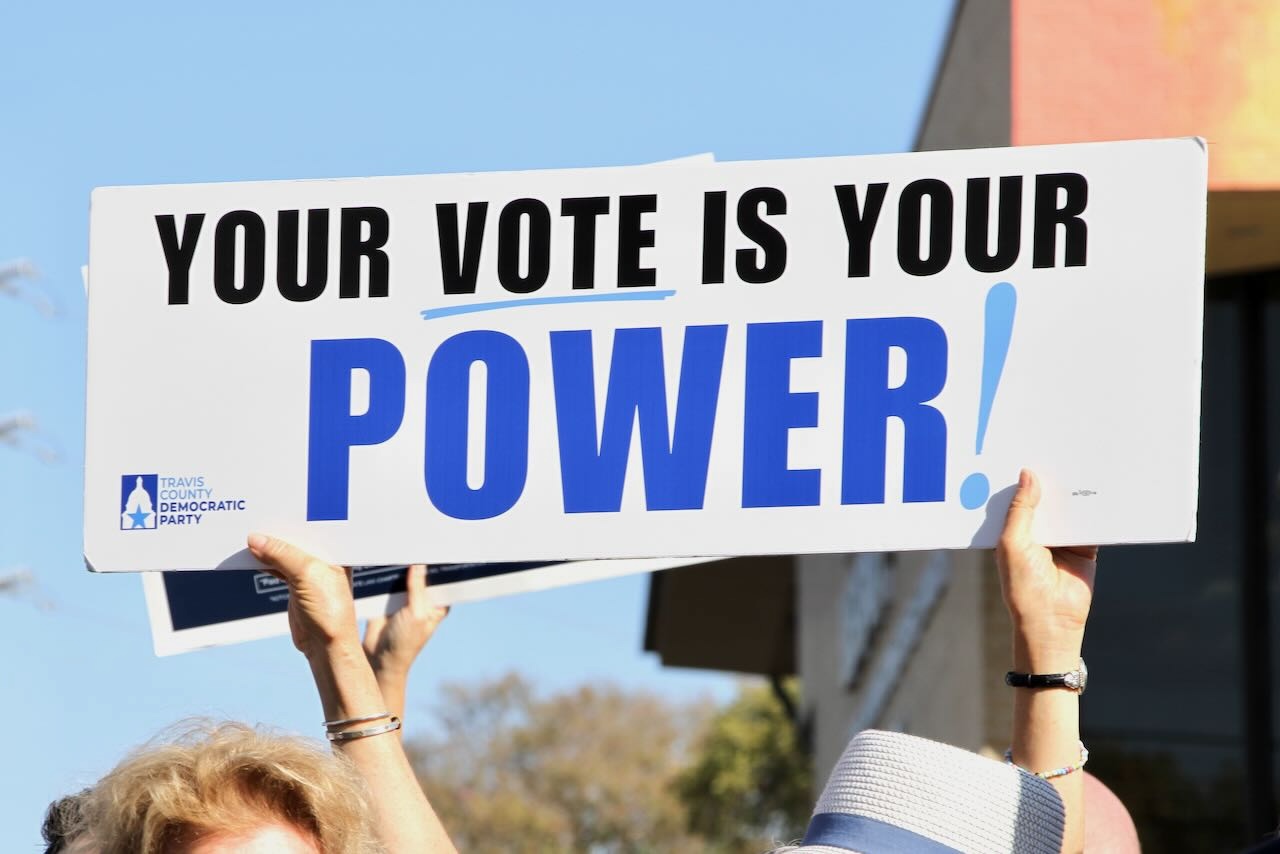
When Texas voters head to the polls for the March primaries, they’ll have a large say in shaping public education as eight of the 15 seats on the State Board of Education are up for grabs.
The board holds significant power over Texas public schools, setting policies and standards statewide.
This includes reviewing and adopting instructional materials—including Bluebonnet Learning and social studies curriculum—establishing graduation requirements, overseeing the Texas Permanent School Fund, appointing board members to military reservation and special school districts, providing final review of rules proposed by the State Board for Educator Certification, and reviewing new charter schools.
The SBOE runs parallel with the Texas Education Agency, which is run by a commissioner that’s appointed by the governor. It doesn’t have any direct authority over local school districts—those are run by local school board trustees.
There are also leadership positions within the SBOE. A chair, which is appointed by the governor from the 15 elected members. The chair requires Senate approval and serves a two-year term. The board also includes a vice chair and secretary, which are elected by the board members for two-year terms.
Click the link below to learn more about:
👉What seats are up for election
👉Who’s running
👉When you can vote
|
|
|
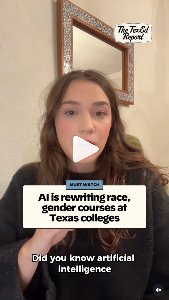
AI is rewriting race, gender courses at Texas colleges
|
|
|
Officials at Texas A&M University and Texas State University are turning to artificial intelligence to comply with new policies restricting how campuses can teach race and gender.
They’re using AI tools to search syllabi and course descriptions, and administrators are suggesting that faculty use writing assistants to revise course descriptions to drop words such as “challenging,” “dismantling,” and “decolonizing,” and rename courses with titles like “Combating Racism in Healthcare” to something university officials consider more neutral like “Race and Public Health in America,” according to the Texas Tribune.
The changes have sparked concerns from education advocates and Democratic lawmakers, who say that higher education in Texas is losing its credibility.
Watch me break it down:
|
|
|
🏫3 more Texas schools face state takeovers: Texas Education Agency Commissioner Mike Morath announced takeovers of three more school districts. The three districts—Connally, Lake Worth, and Beaumont—received multiple consecutive failing accountability ratings on their campuses, sparking intervention from the state. (COURIER Texas)
📚A grassroots group is tracking book bans across Texas schools: The Texas Freedom to Read Project, with the help of dozens of parents and community members, is filing public records requests to keep tabs on school districts that are banning books. (The Houston Chronicle)
🎅‘Officer Claus’ brings holiday cheer to Dallas students: Omar Sepulveda, a Dallas ISD police officer, has hosted a toy giveaway at Seagoville High School for students with special needs for the last 10 years. (Dallas Morning News)
|
|
|
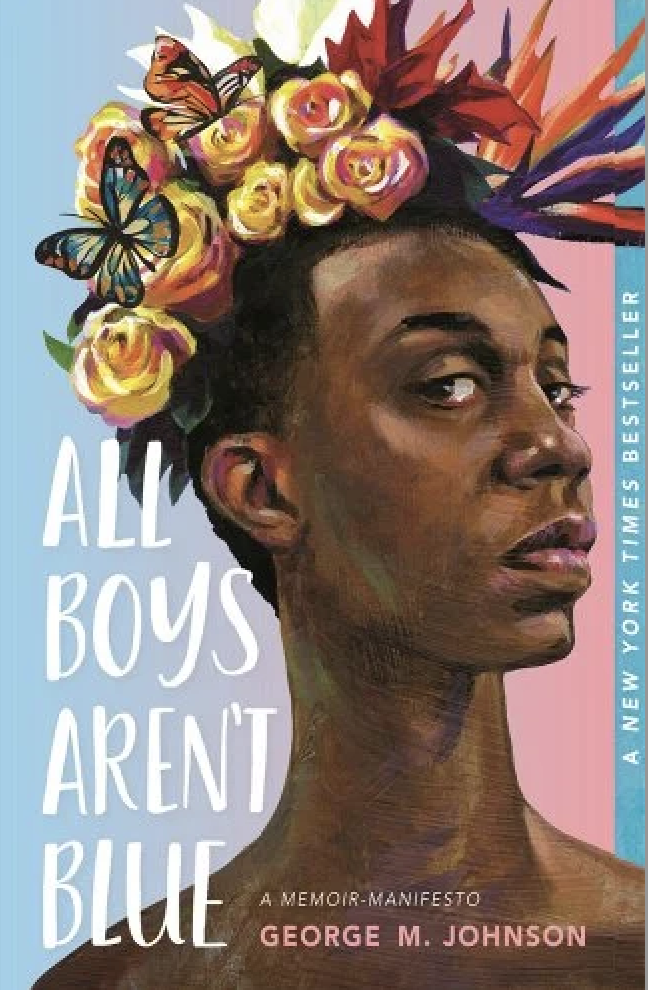
Welcome to part two of this month’s banned book discussion. If you’re just now joining us, we’re reading “All Boys Aren’t Blue” by George M. Johnson.
While continuing to make your way through this memoir, ask yourself these questions:
1. As the memoir moves toward adolescence and adulthood, how does Johnson’s understanding of their identity deepen or shift?
2. Why do you think this book is often challenged or banned—and how does the full memoir respond to those challenges simply by existing?
3. After finishing the book, what do you think Johnson most wants young readers (especially queer youth of color) to take away from their story?
|
|
|
|
Would you recommend this newsletter to your friends and family?
|
|
|
Do you or your company want to support The TexEd Report’s mission and reach your audience in Texas?
Contact advertise@couriernewsroom.com for more information.
|
|
|
Thanks for reading. This newsletter was written by Katie Serrano. The TexEd Report is happily free to read for everyone. Your financial support means a lot to us. Donate here.
Was this email forwarded to you? Sign up now to get upcoming newsletters in your inbox.
Send your feedback and news tips to katieserrano@couriernewsroom.com.
|
|
|
Our mailing address is:
COURIER DFW / COURIER Newsroom
611 Pennsylvania Ave. SE
Washington, DC 20003-4303
|
|
|
|