Saloons are as integral a part of the American West as cowboys and rodeos. After all, where do you think hard-working ranchers would go after wrangling cattle all day?
Even though the Dallas-Fort Worth metroplex in 2026 is a far cry from the late 1800s era of duels and outlaws, there are still glimmers of its historical past in some of the local saloons.
People have been gathering for generations at old-school style bars like these to drink, hang out with others, and dance the night away. Sure, a certain level of rowdiness and the occasional brawls occurred, but so did fantastic music and entertainment.
While many saloons closed or changed hands throughout the years—especially during the Prohibition era in the 1920s and early ‘30s—three historical saloons are still operational today.
Learn about these fascinating landmarks that are embedded in Texas history, including some of the local lore about them, then visit one for a drink like thousands of Texans before you.
If you love a good dive bar, then you’ll have a great time at these historic Dallas-Fort Worth saloons.
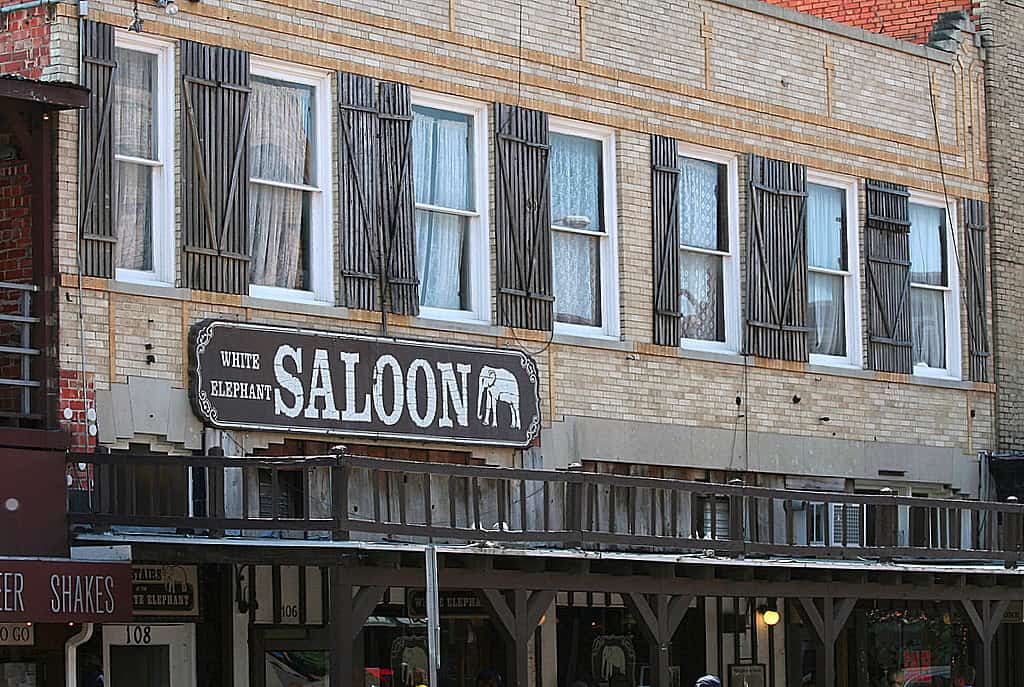
1. White Elephant Saloon
Address: 106 East Exchange Avenue, Fort Worth
Texans love grabbing a beer and letting loose at a honky tonk on Friday nights. But while country-western music exploded in popularity in the ‘90s with the rise of George Strait, Toby Keith, and Brooks & Dunn, the honky tonk experience actually began much earlier—in the late 1800s. In fact, the White Elephant Saloon opened in Fort Worth’s Hell’s Half Acre in 1884, making it the oldest honky tonk in the Lone Star State.
It started as a drinking hole for real-life cowboys. And where alcohol and gun-slinging men combined in the Wild West, it could lead to some fatal fights. Legend has it that a gambler named Luke Short killed a city marshal named Jim Courtright during an infamous shootout here in 1887. Talk about a bloodied history!
Like many other bars at the time, the White Elephant Saloon was forced to shutter its doors during the Prohibition era in the 1920s. It stayed closed for nearly 50 years, reopening in 1970 inside the Fort Worth Stockyards.
Since then, the most famous run-ins with law enforcement were scripted, as many scenes from “Walker, Texas Ranger” were filmed inside the saloon. That wasn’t the only show that used the historic saloon for its setting—in 2022, the “Yellowstone” prequel named “1883” shot scenes at the honky tonk as well.
Now, you can dance to live music from local artists, see the cowboy hats hanging from the ceiling, and enjoy the atmosphere of one of the most famous saloons in the metroplex. Coming here is about as Texan as it gets.
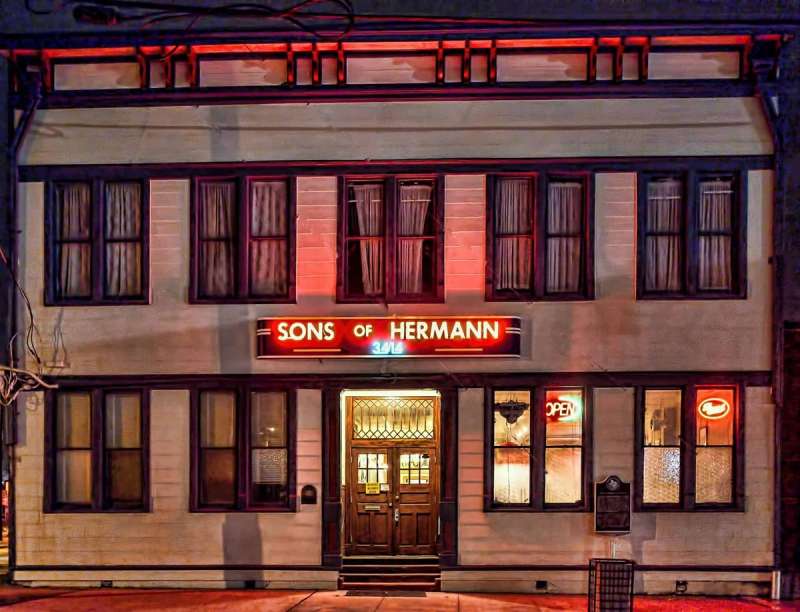
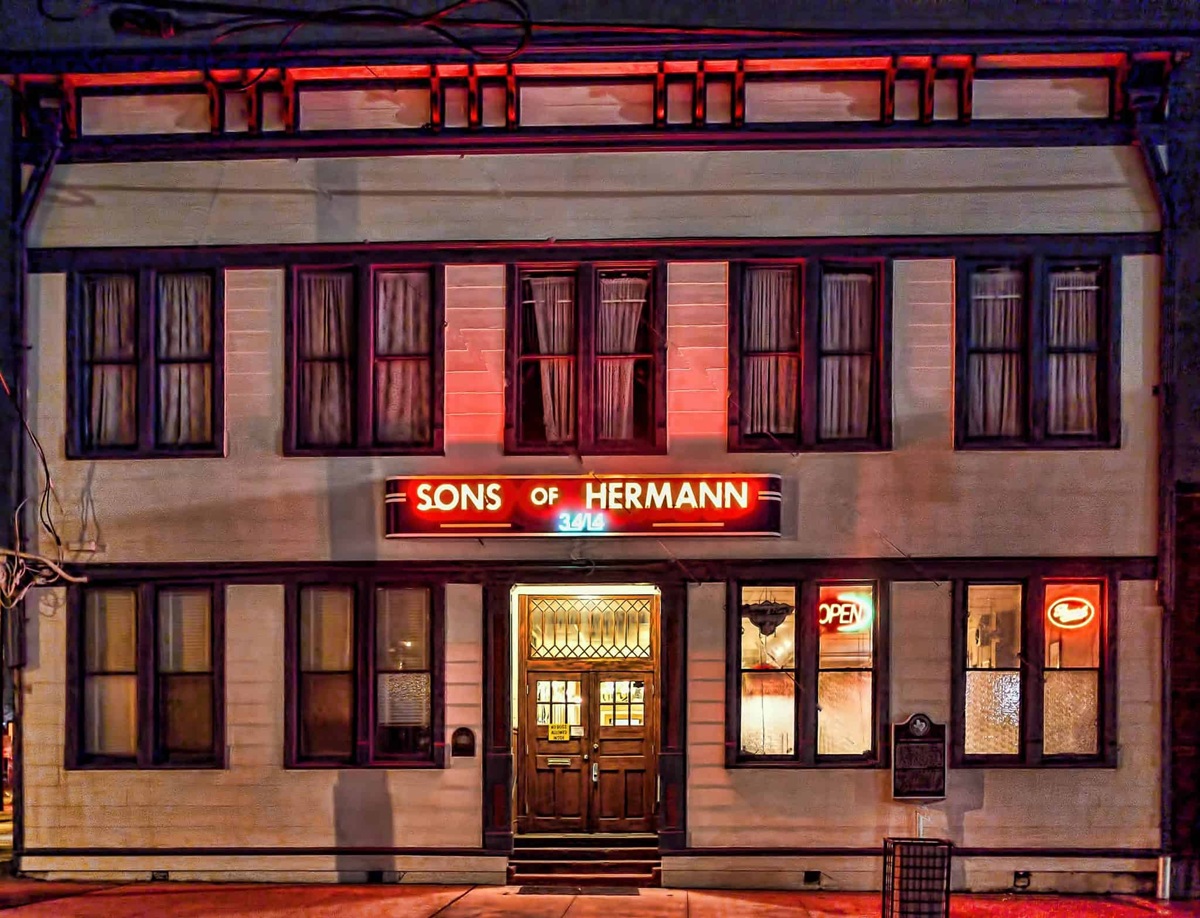
2. Sons of Hermann Hall
Address: 3414 Elm Street, Dallas
Dancing was—and continues to be—a big part of the culture at Sons of Hermann Hall, the oldest neighborhood bar in Dallas.
This historic Deep Ellum bar opened in 1910 as a private club for a German fraternal organization called Sons of Hermann. Fraternities are known for their fun-loving community, and this one fit the bill perfectly with its bar that didn’t have to close during Prohibition because it wasn’t open to the public. It also has an upstairs ballroom, where people still gather to dance and enjoy live music, and it used to have a bowling alley inside (now that spot is used for entertainment).
The iconic building is the oldest free-standing wood structure in the city and an official historic landmark. The Sons is deeply intertwined in music history, where Kelly Clarkson first auditioned for “American Idol” and where many legendary country musicians performed before they rose to fame, including Pat Green and The Chicks. It has also served as a rehearsal location for the Frohsinn Singing Society since 1937.
Swing dancing became an important part of the Sons in the ‘90s. According to the lore, neighborhood young adults were given a discount if they dressed up and came to swing dancing lessons. This was a way to encourage the youth to stay out of trouble, and it became so popular that they carried on the tradition.
The Sons hosts weekly lessons in Lindy Hop, Charleston, and classic swing dancing for all levels. They also have collaborative music circles called the Electric Campfire Jam, concerts, and other events. In this way, they continue to honor their legacy of good music, community spirit, and dancing just for the fun of it.
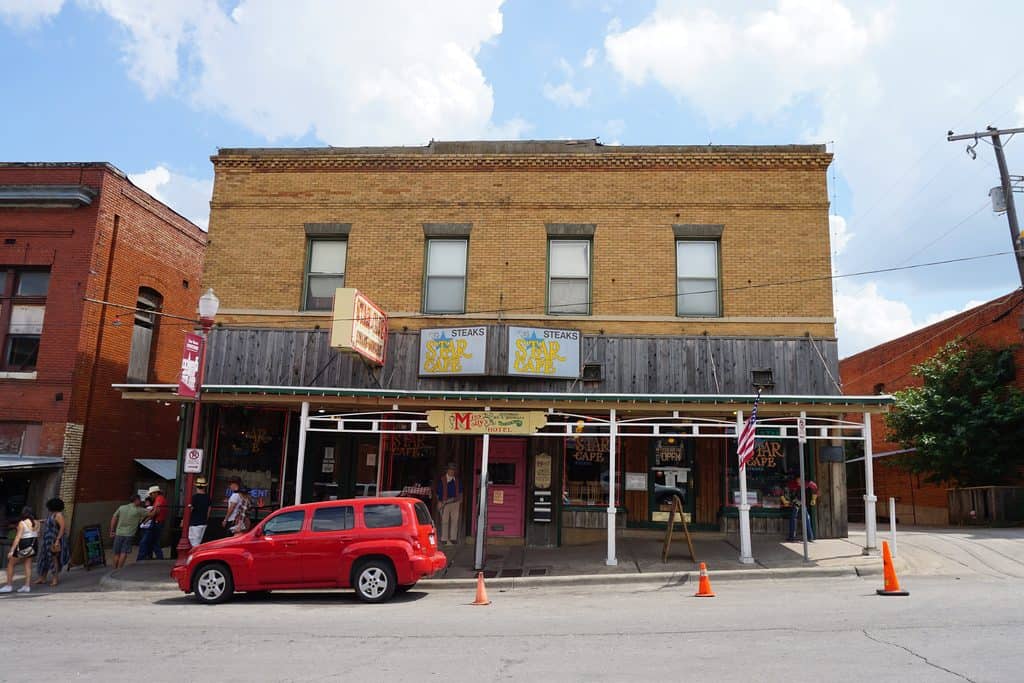
3. Star’s Basement Bar
Address: 105 West Exchange Avenue, Fort Worth
Deep in the underbelly of the Fort Worth Stockyards is an unexpected hidden gem: Star’s Basement Bar (formerly known as just the Basement Bar). The blink-and-you’ll-miss-it entrance is just a neon sign with arrows pointing down, directing patrons to climb down the steps underneath the Star Café and Miss Molly’s Hotel.
Billed as “the world’s smallest honky tonk,” this bar truly does feel like a neighborhood basement with its dark, intimate setting. You might feel a little bit cramped as you literally bump elbows with other Texans, but that’s all part of its charm. (The ice-cold beers more than make up for it.)
Dollar bills line the walls and the ceiling, signed by many of the folk who’ve stopped by this watering hole over the years. Incredibly, Star’s Basement Bar hosts live music despite its small size—because what’s a saloon without dancing? If you can find a spot on the dance floor to do a boot scoot boogie, that is.
The bar is on the underground level of the historic building built in 1910. The upper floor was first a boarding house before becoming a brothel and later a hotel (which some say is haunted by the spirits of long-ago working girls).
Legend has it that the hidden bar below served as a speakeasy during the Prohibition era, which would certainly make sense, as it is so tucked away. You don’t need a password to get into Star’s Basement Bar now, but it’s still fun to sneak underground for a taste of Fort Worth’s scandalous history.
This article first appeared on Good Info News Wire and is republished here under a Creative Commons license.
Related: Popular Denton food truck trades wheels for walls with Dallas Farmers Market debut