
Punching In is a bimonthly series about the people who make Houston work, highlighting interesting jobs, roles and careers across the city.
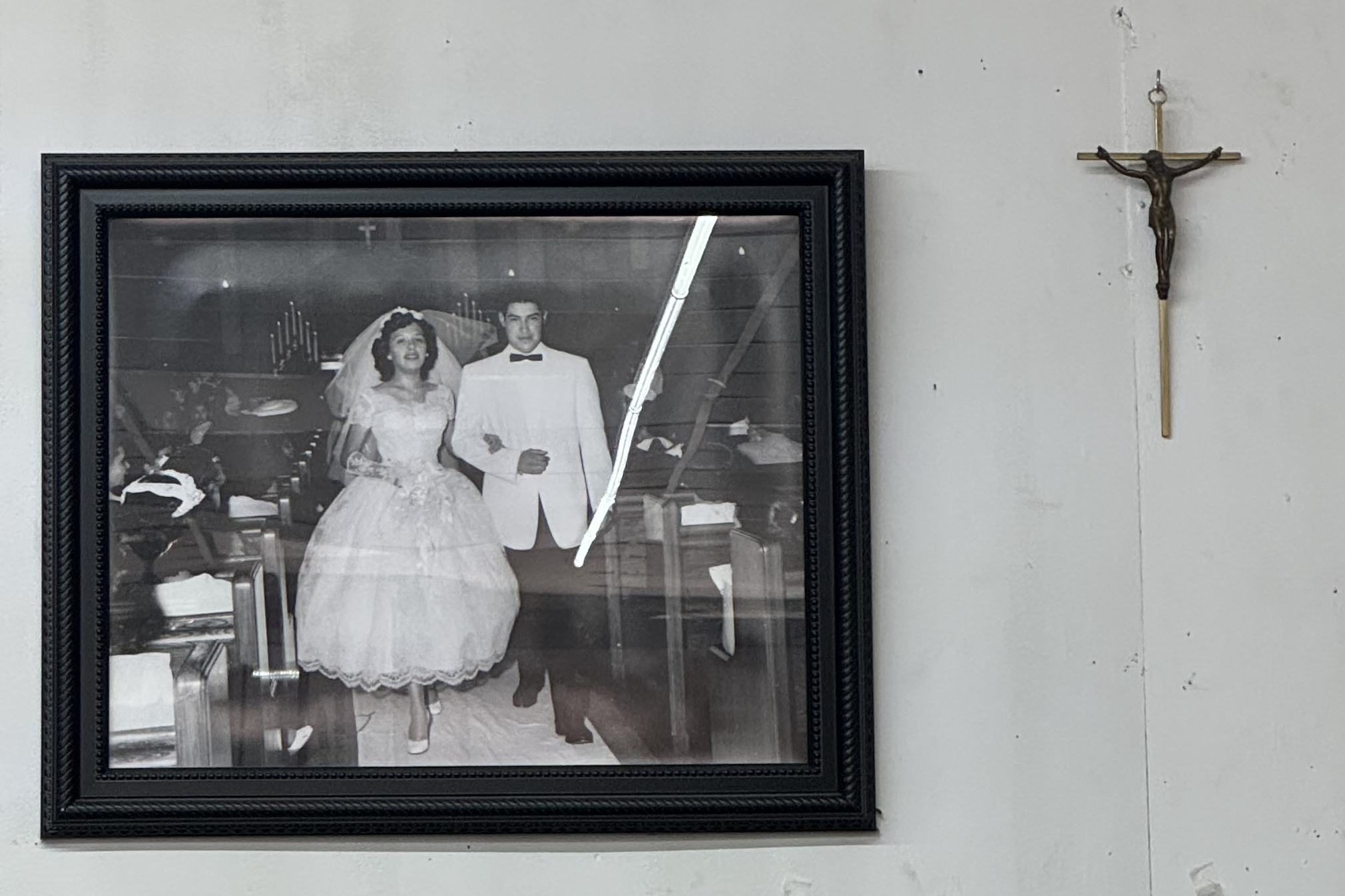
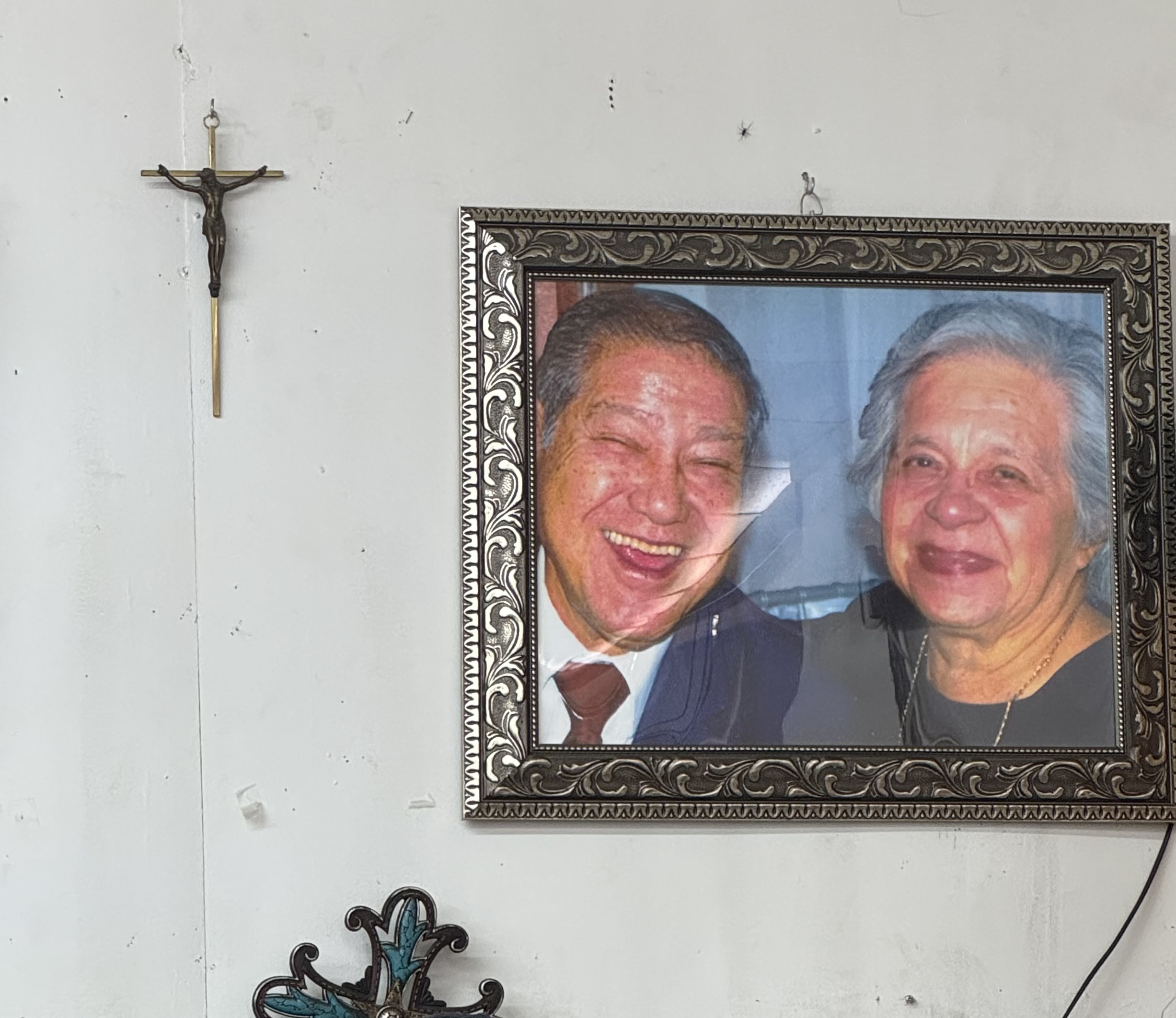
John Galvan’s watch repair shop feels like a family relic. The walls inside are adorned with framed photos of his smiling parents—their wedding, their 50th anniversary, and a photo of them in their old age. Stacked on tables throughout the shop are tools of all kinds, watch parts, antiquities, and trinkets. A small fan putters away in the corner next to a calendar marking off the hot July days.
Houston’s Wheeler Watch Clinic has stood on Midtown streets for 69 years, moving only once—and only by a few blocks—in its history. I came into the shop and was greeted with a teeming glimpse into the past. Customers walked in after me laughing, talking about how long they’d been coming to see Galvan. I quickly learned that Galvan grew up in this shop, and that it’s been in his family since before a man set foot on the moon.
Traditional watch repair has long been characterized as a dying industry. In the last 60 years, the number of independent watchmakers in the United States has shrunk from 50,000 to 6,000—an 88% decrease. The culprit is mostly retirement. For every 10 watchmakers that retire, only one enters the market. This is what makes Galvan’s work so special.
The 59-year-old described spending his teen years in the shop under the firm but loving guidance of his parents, who taught him early on that what you can make with your hands has more value than what money can buy. It’s those lessons that keep him coming in.
Galvan talked to me about his family legacy and how this work has helped thousands of Houstonians salvage their own family histories.
Raj: How did your family get into the business?
Galvan: My father’s dad was also in the industry. They butted heads from time to time business-wise, so my dad decided to start his own shop. He told us he started with $500 of borrowed money in his pocket on Wheeler street, hence the name.
He started in an 8 x 10 room—very small. He had two workbenches and it was just him. He was working for Sears, Roebuck and Co., which was one of the first department stores. He was doing their jewelry and watch repair when needed. He would do a lot of ring sizing, watch sizing, and things of that nature.
Then, Mom and Dad started a family. I’m a product of six. I have one sibling still in the business and four of us boys were in it. We had two sisters that would occasionally come in and help.
Raj: What was your father like when he ran the place?
Galvan: My dad would always lend a helping hand.
Even back then, there were people that always needed help. At our old location, which was one mile from here, we had a lot of fast food establishments around us, and when someone would come in hungry, my dad would call up Prince’s Hamburgers—an old staple of Houston—and buy them food and send them on their way. He would go over there later on in the evening and pay for it. Those were the days when everything was bought with cash. I practice that from time to time. Sometimes, people really do need it.
Anna Raj: Talk to me about your history with this place.
John Galvan: When I was a kid, I came into the shop after school and my parents made us learn through apprenticeship. I enjoyed learning what it took to fabricate things from scratch and what it took to repair something. I learned to be a problem solver early. If we ever wanted anything for ourselves, we had to make it, they wouldn’t just give it to us.
I had dabbled in a few other careers, but my sibling and I always had this to fall back on if we didn’t like what we did. We could always come back to the family business, work in it, help run it, and one day own it. I personally enjoyed the customers and the community around me.
Raj: How long have you known some of your customers?
Galvan: I started working in the business when I was 14 and now I’m 59. These people—these grandfathers, great grandfathers, grandmothers, great grandmothers, their children and grandchildren—are coming here. I’ve always been told heartwarming stories when customers come and see my parents’ photos on the wall. Customers show me pieces my parents made for them that they still have from decades ago. I knew who my parents were, but hearing it from somebody else’s perspective, it’s just really enlightening.
You create a bond with somebody, although they may not be your friend, they’re your business relationship, and it’s a camaraderie that can’t be taught, only learned. I’ve known one customer for four decades. He’s been coming to us that long. He’s a great grandfather and just a really nice man. And he’s not the only one.
The community around us looks for us, because we do simple service work at a fair cost. Our dad always had a habit of holding things a little longer than he probably needed to. Sometimes people didn’t always have the money to pick up their things, but they would come back to it, sometimes years later, and he would still have it. So we always had continuous support.
Raj: How have you managed to stay in business in an ever-modernizing society?
Galvan: I think we provide a service that is a dying art because we can diagnose, troubleshoot, and repair a problem in a timepiece. This includes vintage pieces, heirlooms, and anything of antiquity. We get so many family heirlooms in here that grandchildren are bringing in, because it was handed down to them and they want it working.
That’s really my drive, getting here each and every day—not necessarily the work, but the customers.
Raj: What’s one thing you’d want the city of Houston to know about your watch repair shop?
Galvan: The history. I think it’s important to pay homage and honor to my parents who started this business when it was much harder to do. This is their legacy, and it’s up to me to continue it.