It’s Wednesday, Sept. 30, 2026
|
|
|
|
Hey y’all,
Welcome back to another edition of The TexEd Report. As we head into October it feels like we might finally get a welcome reprieve from all this intense summer heat here in North Texas. I hope you get to enjoy it!
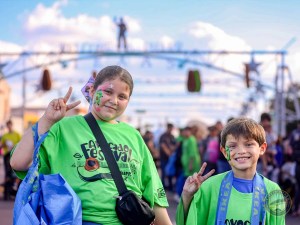
Before we dive into today’s news, I wanted to share this video from my high school alma mater’s over-the-top homecoming pep rally. This isn’t the first time a video of an Allen High School pep rally has gone viral, and I’m always shocked to see how they continue to grow and evolve over the years.
This week, we’ll take a look at where Texas colleges and universities rank when it comes to free speech on campus, take a deep dive into how Gina Hinojosa’s campaign is resonating with moms from across the political spectrum, and you’ll find information on how each Texas comptroller candidate plans to tackle the state’s private school voucher program if elected.
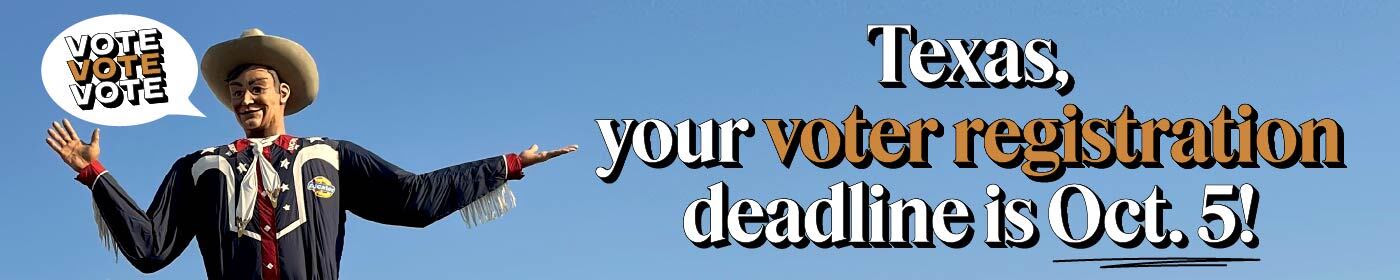
But first, are you registered to vote? We’re nearly a month away from Election Day, and the voter registration deadline is Oct. 5. Click the banner below to check your status.
|
|
|
|
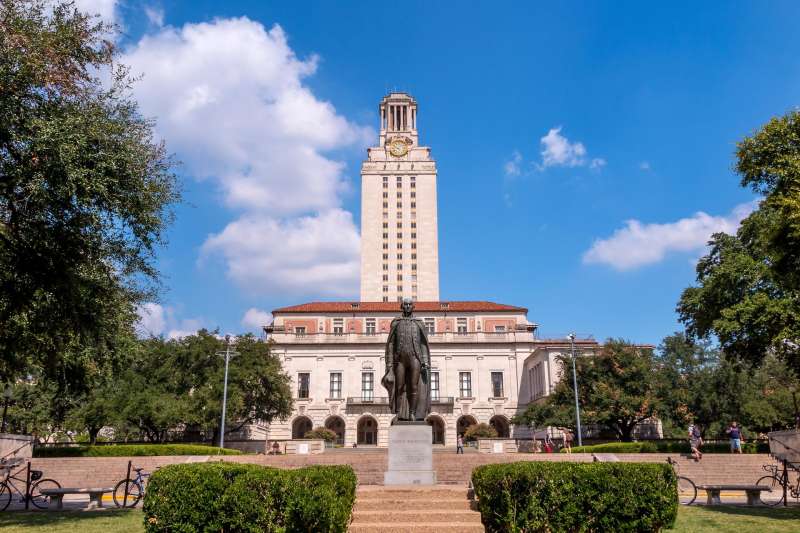
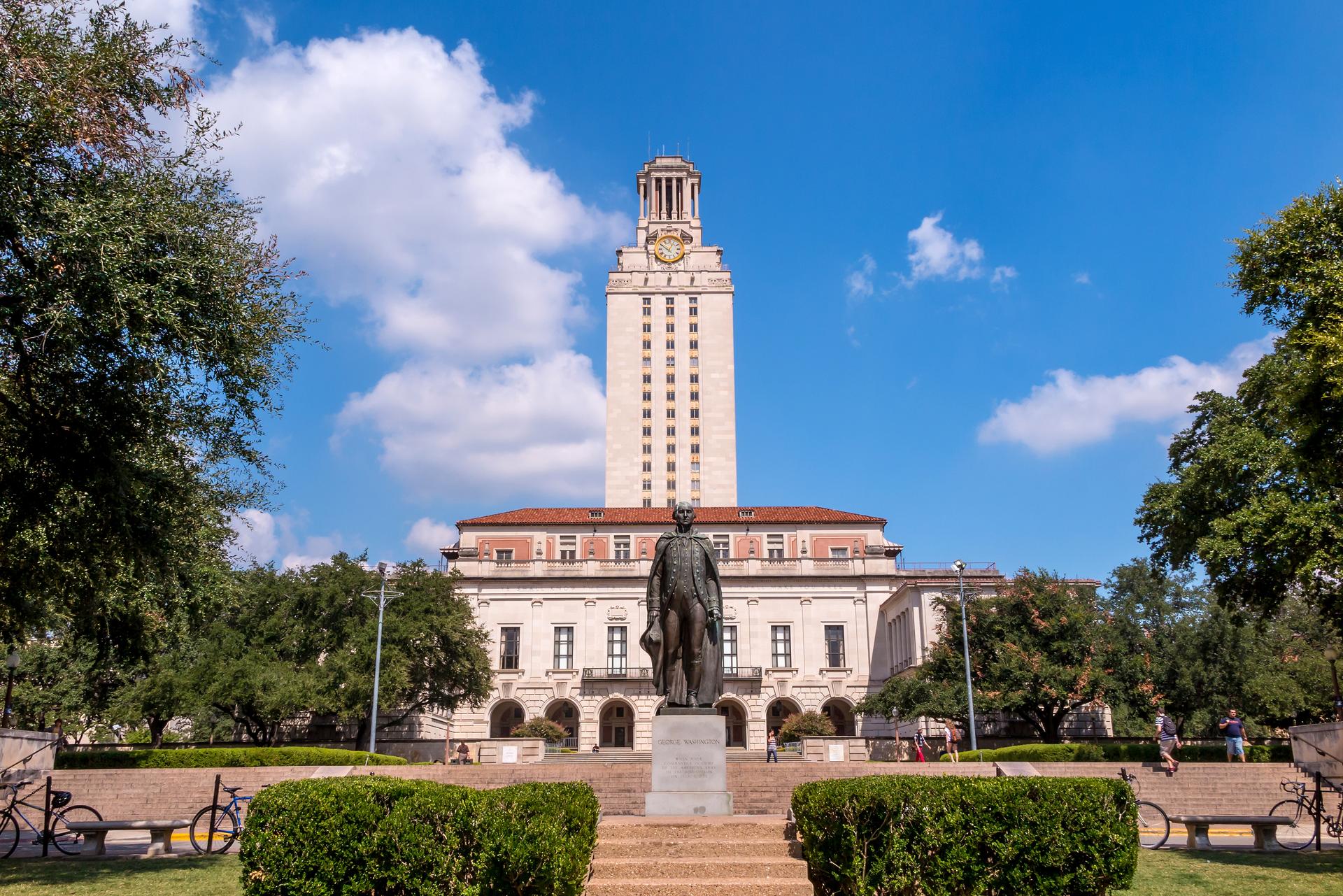
Free speech at Texas universities receives a failing grade
|
|
|
|
The Foundation for Individual Rights and Expression (FIRE), which is a nonprofit organization “committed to defending and sustaining the individual rights of all Americans to free speech and free thought,” surveyed undergraduate college students about their perceptions and experiences regarding free speech on their college and university campuses.
Seven Texas universities failed, while five others earned Ds:
|
|
|
|
-
University of Texas at El Paso: D+
- Southern Methodist University: D
- University of Texas at Arlington: D
- University of Texas at San Antonio: D
- University of Texas at Austin: D-
- University of Houston: F
|
|
- Texas A&M University: F
- Texas Tech University: F
- University of North Texas: F
- Rice University: F
- University of Texas at Dallas: F
- Texas State University: F
|
|
|
|
The survey consisted of six components:
- Comfort expressing ideas, which measured how comfortable students are expressing controversial views.
- Self-censorship, which measured how often students withheld their views during classroom discussions.
- Disruptive conduct, which measured students’ opinions on stopping campus events or speeches, or shouting down speakers.
-
Administrative support, which measured whether students believe administrators are clearly protecting free speech.
- Openness, which measured how difficult it is for students to discuss political topics.
- Political tolerance, which measured students willingness to allow controversial speakers on campus.
Among those surveyed, students said the most difficult topics to discuss on campus include the Israeli-Palestinian conflict, Donald Trump, Charlie Kirk, abortion, immigration, and transgender rights.
The survey comes two years after the passage of Senate Bill 17, which banned all diversity, equity, and inclusion initiatives on public college campuses in Texas.
It also comes at the same time several universities across the state are censoring or removing courses that focus on LGBTQ+ and race topics, and after lawmakers have restricted protests and expanded government-appointed authority over what is taught in classrooms.
|
|
|
|
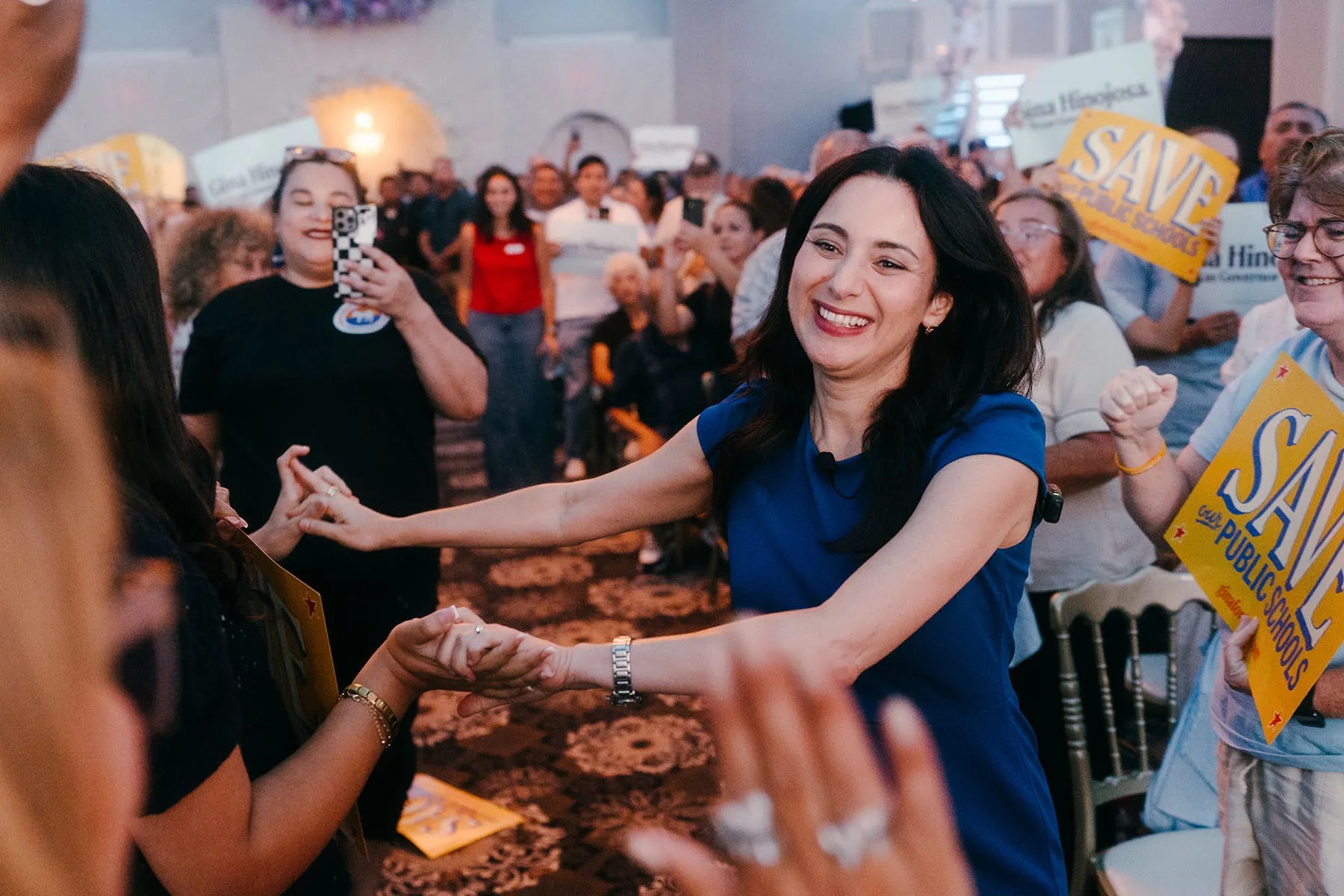
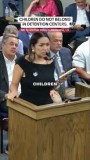
Conservative moms are fed up over Texas schools. For Gina Hinojosa, it’s an opening.
|
Photo by Brenda Bazán for The 19th
|
|
|
|
By Mel Leonor Barclay, The 19th
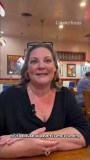
Vanessa Ovalle has a “frontline view” of Texas schools as a single mom and a speech pathologist at a local school in McAllen, a city in the Rio Grande Valley bordering Mexico. Ovalle described the state’s education system as “completely disappointing.”
In nearby Welasco, Catalina Ozuna said her daughter is working in an understaffed kindergarten classroom for little pay while being weighed down by the cost of daycare for her own child.
Meredith Keller, who for over a decade presided over a local school board south of Austin, calls a new voucher program that allows parents to use public dollars for private school “a slap in the face to everyone who went to public school.”
These Texas voters all have two things in common: They have backed Republican Gov. Greg Abbott in the past and are now throwing their support behind Democrat Gina Hinojosa in the November election, driven by concerns about the state of public education.
|
|
|
|
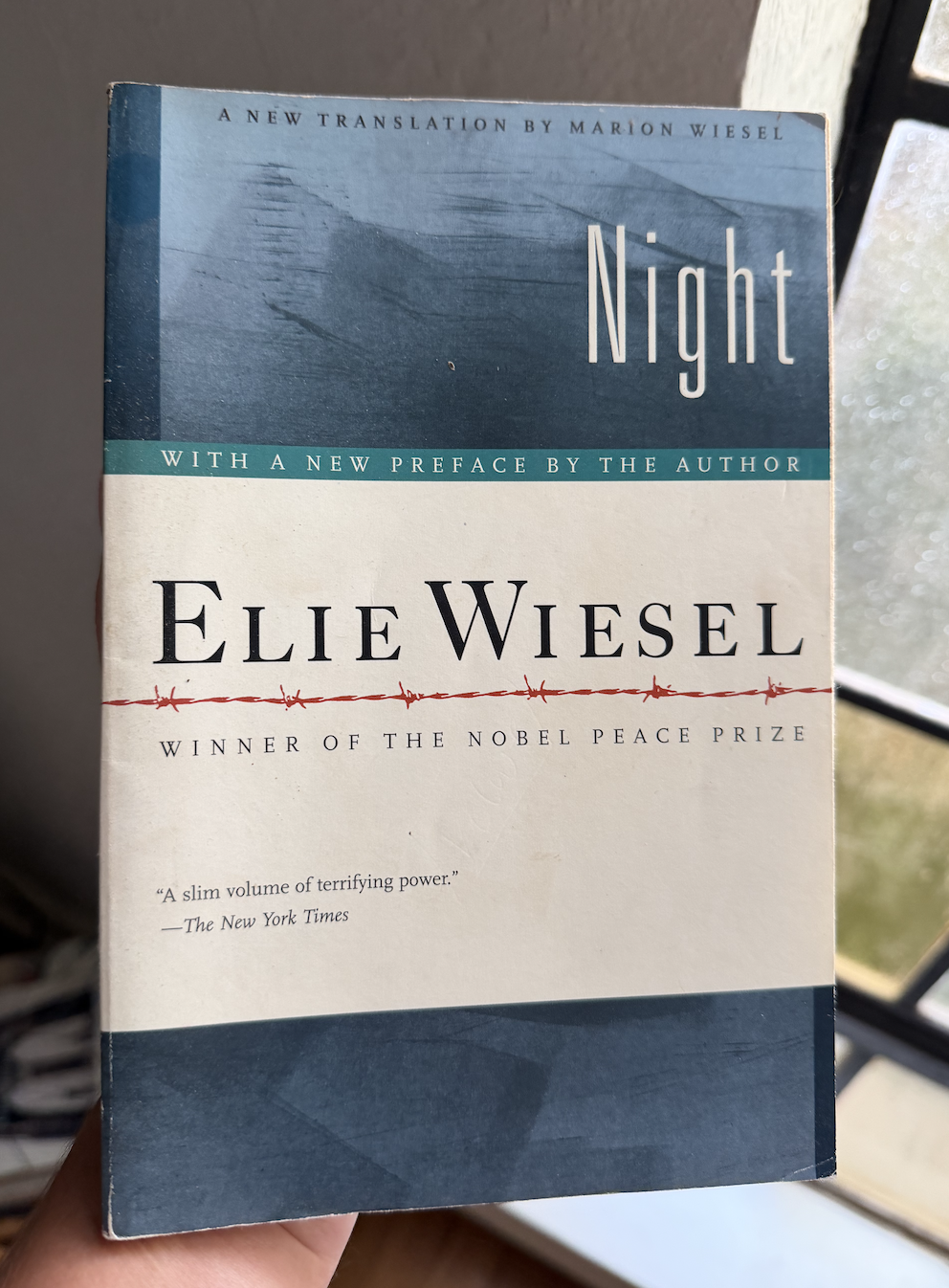
We’ve come to the end of our September banned book—just in time for Banned Book Week, which starts Sunday.
In (dis)honor of Lt. Gov. Dan Patrick’s list of books he thinks should be banned in public school libraries, we read “Night” by Elie Wiesel.
While not yet banned in Texas public schools, the memoir made headlines after Patrick claimed it should be banned. The Holocaust autobiography by Auschwitz survivor Elie Wiesel details his survival, along with his father’s suffering, in the Nazi death camps. Here are some final questions to consider as you finish the book.
|
|
|
|
|
1. Looking back at the entire memoir, what has changed most dramatically about Eliezer?
2. What does liberation mean to Eliezer? Is it portrayed as a moment of happiness, emptiness, or something more complicated?
3. At the end, Eliezer looks at himself in a mirror for the first time in a long time. Why do you think Wiesel chose to end the memoir with this image?
|
|
|
|
Would you recommend this newsletter to your friends and family?
|
|
|
|
|