For years, Texas Republicans have governed with a particular brand of swagger. They’ve refused to expand Medicaid, leaving more adults uninsured than in any other state. They’ve resisted gun safety measures, producing firearm death rates three times higher than New York’s. They’ve loosened vaccine exemption rules, helping fuel the largest measles outbreak in the United States in a quarter century—762 reported cases and two dead children in 2025 from a disease the country had declared eradicated in 2000. Another 182 cases have been reported as of June of this year.
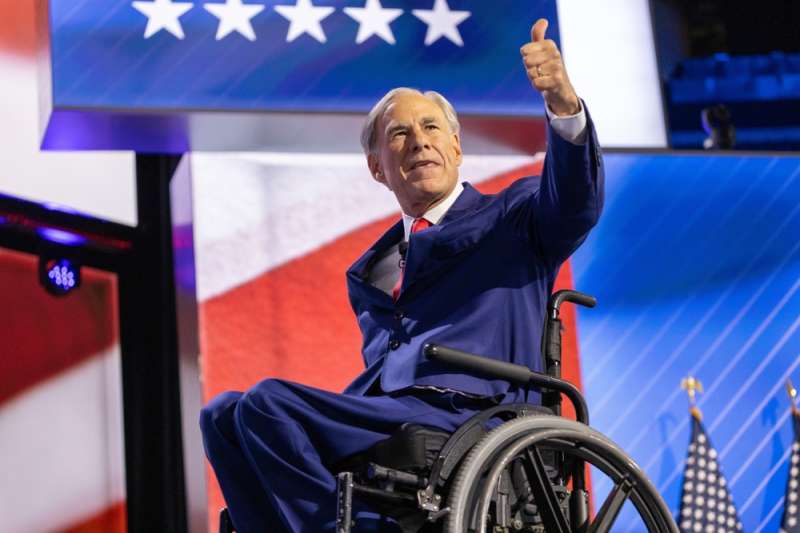
Gov. Greg Abbott and his allies have long celebrated these postures as freedom. What they haven’t mentioned is the consequences—shorter lives, sicker residents, a more burdened health system—come with a price tag. And according to one New York state lawmaker, part of that bill has quietly been landing on the desks of people who don’t even live in Texas.
New York State Sen. James Skoufis has introduced the Terminate Excessive Cross-state Actuarial Subsidization Act—the TEXAS Act—legislation that would force life insurance companies operating in New York to calculate premiums using state-specific mortality data rather than national averages. The bill takes direct aim at what Skoufis calls a hidden monthly subsidy flowing from blue-state policyholders to residents of states with shorter life expectancies, including Texas.
The mechanics are straightforward, if little known. Life insurance premiums are partly determined by life expectancy data—but carriers currently use national mortality tables that blend the lifespans of New Yorkers with those of residents in other states like Texas, where people die younger. A New Yorker, statistically likely to outlive a Texan, ends up partially subsidizing the risk pool of a state with a population with a shorter lifespan.
The gap is significant. New York’s average life expectancy is 79.2 years. Texas clocks in at 77.1, says Skoufis, though other sources put it lower, at 75.4.
“That is not by coincidence,” Skoufis told Courier Texas in an interview. “That is not by magic. That is intentional. That is a result of policies made around gun safety, around access to health care, including Medicaid, and many other policy decisions.”
Some 16.8% of Texas adults have no health insurance, compared to 4.9% in New York. Abbott and legislative Republicans have repeatedly declined to expand Medicaid under the Affordable Care Act, a decision independent analyses have linked to higher rates of preventable death in the state. Texas is one of only 10 states that have not expanded coverage.
“Texas Republicans brag on cable news about their economic miracles and low taxes,” Skoufis wrote in an op-ed published in the Houston Chronicle. “They conveniently leave out the fact that when they cut corners, their citizens pay the price with their health and their lives. And when the life insurance bill comes due, people in states with more responsible leaders pay too.”

The bill’s name is not accidental. Skoufis acknowledged the legislation is “meant to be a bit provocative”—but insisted the underlying policy problem is real.
He drew a pointed contrast with Gov. Greg Abbott’s own political theatrics.
“Folks like Governor Abbott seem gleeful whenever they get a chance to punch New York in the nose,” Skoufis said. “We’re not a punching bag for all of the gimmicks coming out of the governor’s office in Texas.”
Skoufis also took aim at what he called the central hypocrisy of Texas’ self-styled pro-life politics.
“Governor Abbott and his allies take a lot of pride in being quote-unquote pro-life,” he said, “yet seem to have no problem with policy outcomes that lead to their constituents living shorter lives.”
The bill invites an obvious objection: isn’t mandating how insurers calculate premiums government intervention in the very free market Texas Republicans champion and Skoufis calls out directly in his Chronicle op-ed?
“It’s a fair point,” he said. “What we’re trying to say is we want to keep this marketplace free—but here in New York.”
In other words, if Texas wants free market governance, it can live with free market consequences.
The insurance industry is expected to push back. Carriers argue they already use individual risk factors—smoking history, occupation, medical background—to personalize premiums, and that further state-level mandates would create administrative complexity. Skoufis said the bill allows individual underwriting to continue; it targets only the use of national versus state-specific mortality baselines.
Introduced at the end of New York’s legislative session, the bill will be taken up when the legislature returns in January. Skoufis said he has already spoken with both the state Senate and Assembly insurance committee chairs, and described a significant appetite for action. He has not yet spoken with any Texas lawmakers, he told Courier Texas.
“I’m optimistic,” Skoufis said when asked whether or not the legislation really had legs. “We’re going to put an end to this cross-state subsidization.”
When asked for comment, the Texas Department of Insurance said it would need a week to respond given the depth of questions involved and the scope of this issue; this story will be updated when the agency replies.