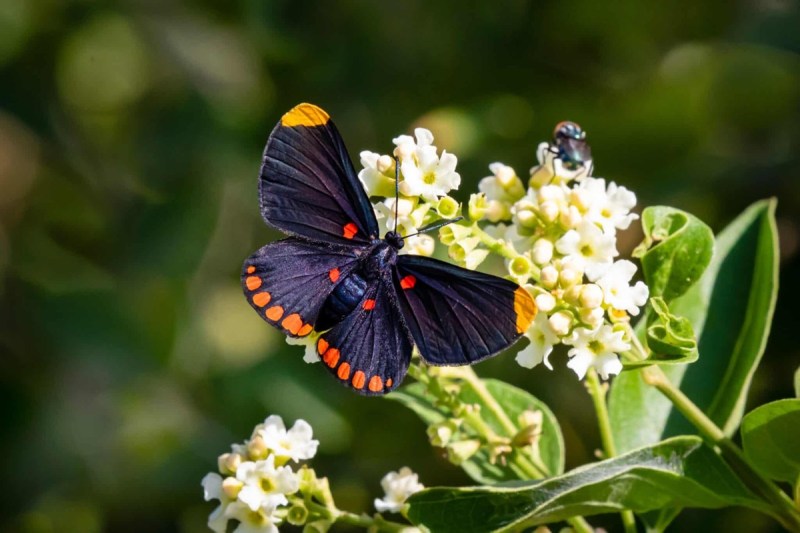
Known as “the butterfly capital of the USA,” more than 300 species of butterflies have been spotted in Mission, Texas, and the surrounding Rio Grande Valley. The Valley, in general, is recognized as being one of the most biologically diverse regions in North America, with incredible opportunities to see birds, fireflies, dragonflies, and other unique and rare wildlife.
Many beautiful birds fly over Texas, and the Valley is a prime viewing spot. That’s partly because the parks, refuges, and nature centers here do such an amazing job cultivating plants to draw the attention of winged creatures, mammals, and reptiles, among other creatures. Wildlife are drawn to the area by the native plants, and they return again and again.
Whether you live in South Texas, are a birding aficionado, or have just heard about the fun summer things to do in the Rio Grande Valley, make time this summer to check out one of these amazing places to see native creatures.
1. National Butterfly Center
3333 Butterfly Park Drive, Mission
See butterflies in their natural habitat—not in a housed, restricted facility—at the National Butterfly Center. This 100-acre nature center contains plants that butterflies can’t resist, attracting the beautiful creatures without keeping them against their will. So, you might see tons of free butterflies everywhere, or you may not see many during your visit—it’s up to the insects themselves.
At the center, you can walk on the nature trails to view the beautiful gardens, woodland, and open areas filled with nectar plants, all designed for optimal butterfly and bird viewing.
Tickets start at $5 for adults for local residents. Children age 4 and under are free.

2. Bentsen-Rio Grande Valley State Park
2800 South Bentsen Palm Drive, Mission
The purpose of the Bentsen-Rio Grande Valley State Park is to serve as a prime living location for local wildlife, due to its unique combination of habitats created by the Rio Grande River over time. Expect to see butterflies, dragonflies, birds, and other wildlife everywhere you turn in the nearly 800 acres (which is surrounded by another 1,900 acres of protected native habitat).
People have seen upwards of 360 bird species here, including subtropical species common in Mexico, such as the plain chachalaca, and migratory birds like broad-winged hawks. For a better view, rent binoculars and climb to the top of the Hawk Observation Tower.
Admission starts at $5, with children 12 and under free.
3. Laguna Atascosa National Wildlife Refuge
22817 Ocelot Road, Los Fresnos
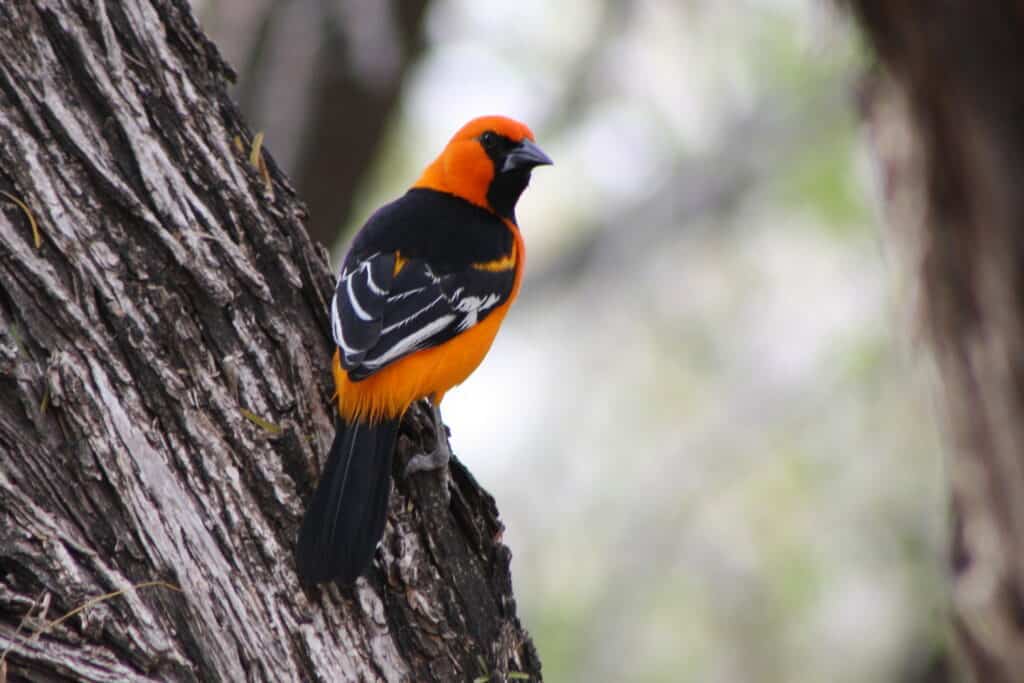
At the Laguna Atascosa National Wildlife Refuge, 417 bird species have been documented, which is more than any other national wildlife refuge in America. These include the endangered Aplomado Falcon, 35 warbler species, and so much more.
Additionally, you can spot up to 130 butterfly species, 45 mammal species, and 44 reptile and amphibian species here. Even fireflies have been documented in this refuge, lighting up the evening with their twinkly bodies (search a full map of firefly occurrences here).
Located along the Texas Gulf Coast, this refuge offers hundreds of miles of trails for all skill levels to soak up nature and spot as many native creatures as you can.
Tickets are available for $3 per vehicle.
4. Lower Rio Grande Valley National Wildlife Refuge
7 Miles South Of Alamo on FM 907 and 1/4 Mile East On Highway 281, Alamo
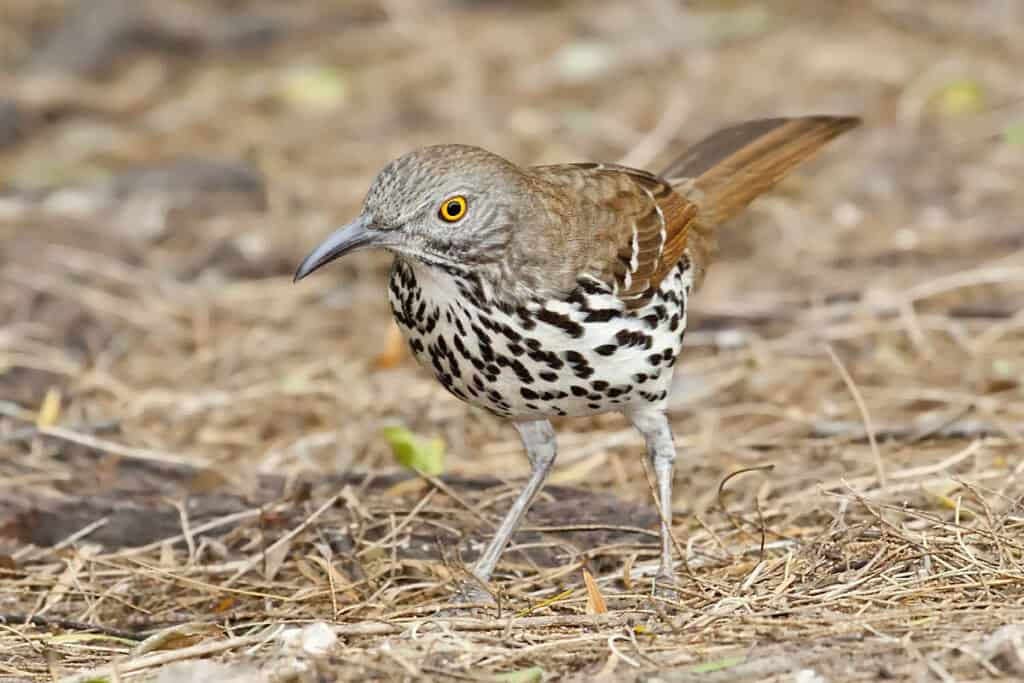
There are so many beautiful creatures to see at the Lower Rio Grande Valley National Wildlife Refuge. The 1,200 plants attract 300 butterflies, 520 birds, and other wildlife, including fireflies.
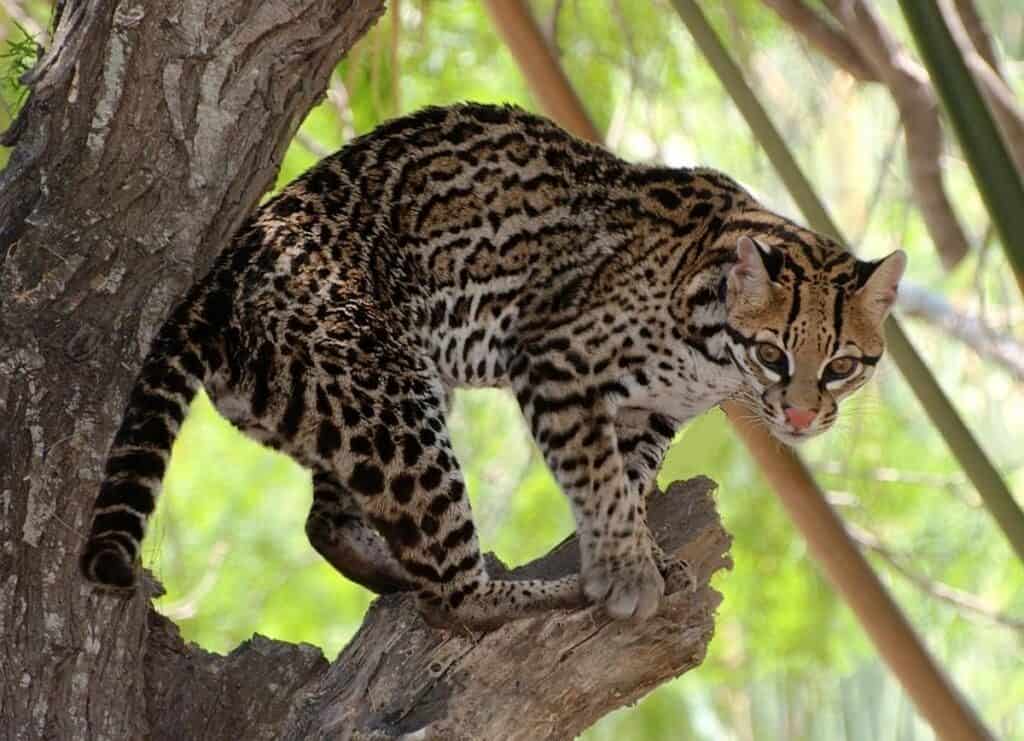
One of the most beautiful—and rare—mammals you might see here is the ocelot, an endangered cat similar to a bobcat that needs canopy cover, dense shrubs, and fertile clay to survive.
You may also spot chachalacas, green jays, the rare snake called the speckled racer, the rare southern yellow bat, and more animals that live in and around the woodlands, freshwater playa lakes, and resacas, which are a type of oxbow lake (or still water, curved lake) formed by the Rio Grande River.
Admission is free for everyone.
5. The Edinburg Scenic Wetlands and World Birding Center
714 Raul Longoria Road, Edinburg
Head to the Edinburg Scenic Wetlands and World Birding Center to see more than 300 bird species and a diverse native butterfly habitat. Walk along seven different viewing docks and trails that cut through gardens and ponds (including a dragonfly pond!), offering ample bird-watching opportunities.
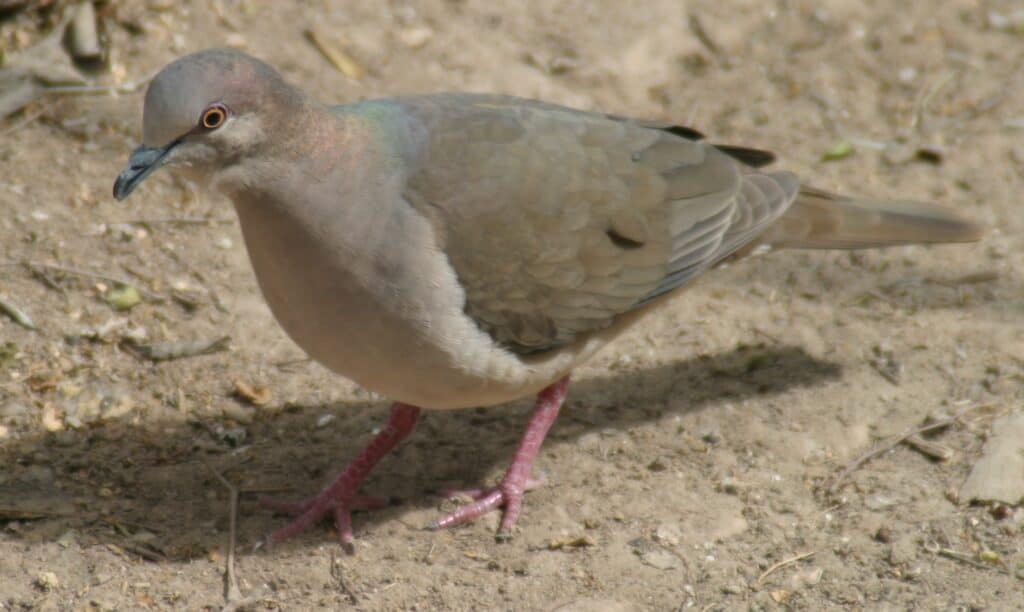
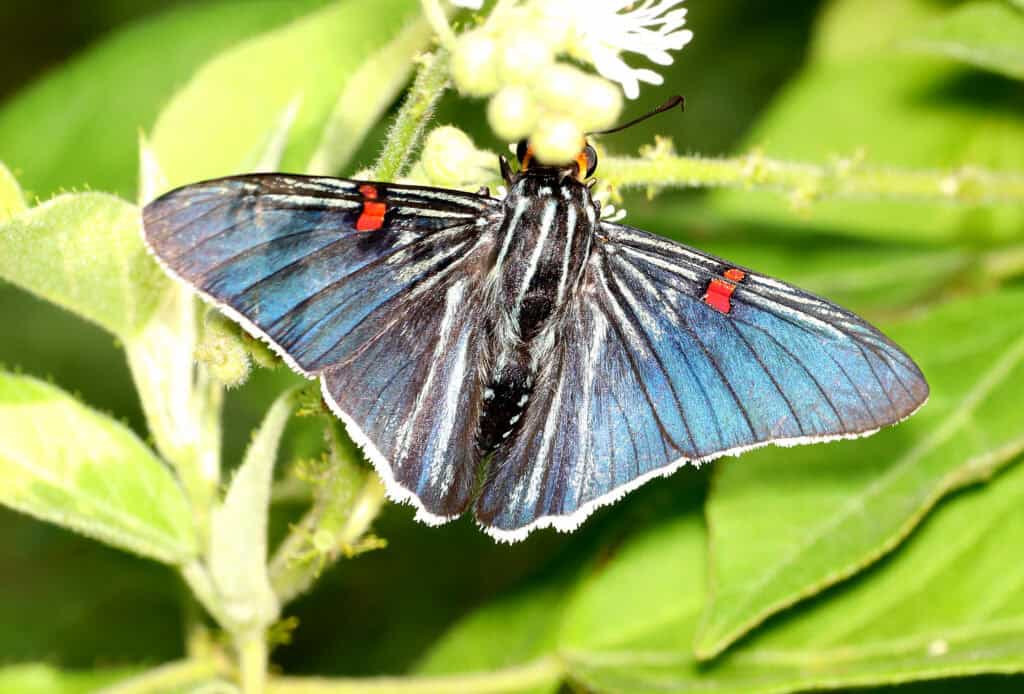
Some of the birds you might see here include the white-tipped dove, olive sparrow, green jay, green kingfisher, red-shouldered hawk, and clay-colored thrush. You might also see a Mexican bluewing butterfly, the great pondhawk dragonfly, and the buff-bellied hummingbird, among other beautiful, winged wildlife.
Tickets are $3 for adults; children ages 5 and under are free.
6. Resaca de la Palma State Park
1000 New Carmen Avenue, Brownsville
Another resaca formed by the Rio Grande attracts wildlife at the Resaca de la Palma State Park. A tropical forest grows around the water in the 1,200-acre park, where you can see colorful migrating birds, like the summer tanager and the yellow-breasted chat, as well as other birds, such as groove-billed ani and white-eyed vireos.
The best chance of spotting wildlife is from one of the four decks that overlook the resaca or on the over 10 miles of nature trails through the ebony and anacua trees.
Tickets are $4 for adults; children 12 and under are free.
7. Santa Ana National Wildlife Refuge
3325 Green Jay Road, Alamo
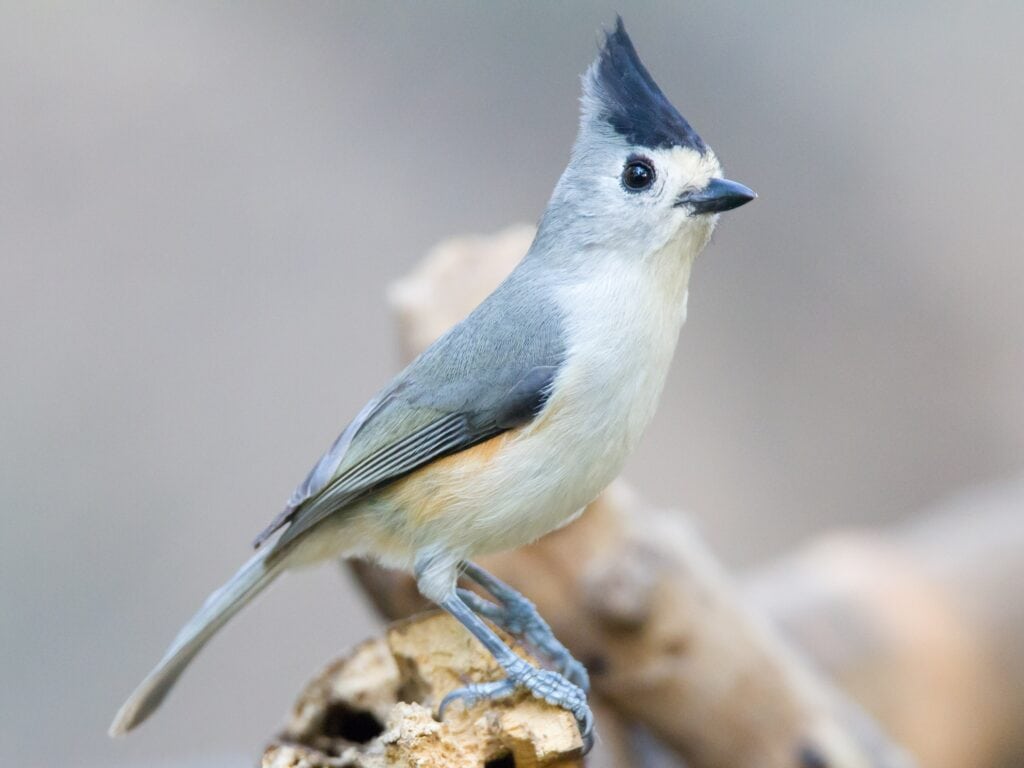
The Santa Ana National Wildlife Refuge was established in 1943 to protect migratory birds, which means it’s a wonderful place to check off birds from your personal bird-watching list. Known as the “jewel of the National Wildlife Refuge System,” this spot is home to many birds, such as green jays, chachalacas, hook-billed kite, golden-winged warbler, American redstart, and hundreds of others.
Beautiful butterflies who pass through the area include Zebra longwings, Julias, and Mexican bluewings. Endangered cat species, including ocelots and jaguarundi, have also been seen roaming in this subtropical climate. You might even see Texas tortoises, Mexican free-tailed bats, and other unique wildlife that make this a can’t-miss destination.
Tickets are $5 per vehicle.
This article first appeared on Good Info News Wire and is republished here under a Creative Commons license.
Related: Everything you need to know before heading to South Padre Island this summer