On June 12 it was announced that the bipartisan bill advocating for emergency alerts to be sent out via satellite during natural disasters would be making its way to the full US House. The announcement comes following a key committee vote that took place last week during which the bill was cleared for this next step.
One of the Texas reps in support of the bill, Republican August Pfluger, previously spoke during the House Energy and Commerce Committee meeting about the importance of adopting the Mystic Alerts Act. Pfluger said, “This legislation ensures that during natural disasters, Wireless Emergency Alerts can still be delivered via satellite when traditional networks go down or service is unavailable.”
Sending the alerts via satellite is crucial, as it would allow the wireless emergency alert system to reach residents regardless of whether cellular service is available. As it currently stands, these alerts are most often sent via cellular networks, meaning if those become overwhelmed or damaged, people may not receive critical alerts in time to get to safety. Another aspect of the legislation stipulates that satellite networks would also now serve as a backup warning system during emergencies and disasters should the initial system fail.
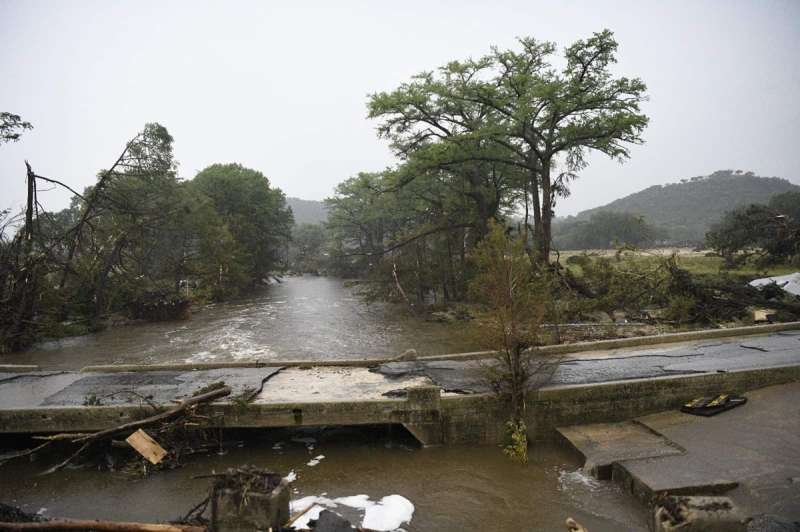
The bipartisan bill was initially thought up after last year’s devastating July 4 floods that caused widespread damage throughout Texas Hill Country and left over 130 people dead. Its name, Mystic Alerts Act, is in honor of Camp Mystic and the two counselors, 25 campers, and owner Dick Eastland who died when the Guadalupe River flooded. In the aftermath of the tragedy, Texas’s emergency warning system was closely looked at to determine how it may have caused evacuation delays.
This initiative hit close to home for Rep. Pfluger, as two of his daughters were attending Camp Mystic during that catastrophic flood. When he addressed the committee, Pfluger said, “As many of you know, this issue is very personal for me. After the July 4 flooding that swept through Central Texas, including the all-girls Camp Mystic, where two of my daughters were attending, I knew Congress had to act to improve redundancy and reliability in the wireless emergency alert system.”
Another key reason why satellite usage is essential during emergencies? It’ll help the alerts reach more people, especially those in more rural parts of the state who typically have limited access to cellular coverage.
The bill has received support from both major political parties
The Mystic Alerts Act has received support from Democrats and Republicans alike, who unanimously voted to pass it through the House Energy and Commerce Committee to the US House. When this initially happened, Rep. August Pfluger said, “Disaster doesn’t wait, and neither can we. The Mystic Alerts Act steps up where our systems often fall short, ensuring Wireless Emergency Alerts can still be delivered via satellite when traditional networks fail.”
Republican Buddy Carter from Georgia spoke about the importance of bringing this bill to fruition, saying, “No child or family should have to endure a tragedy like this again. This bill will strengthen communication infrastructure during emergencies and could mean the difference between life and death.” Carter also has a personal connection to the tragedy—his granddaughters were attending Camp Mystic during last year’s flood, during which one of their cousins died.
As of writing, it’s not clear when the US House will officially vote on the bill or when the new emergency alert system would be put in place, but for right now, it’s worth celebrating this step in the right direction.
This article first appeared on Good Info News Wire and is republished here under a Creative Commons license.
Related: ‘After the Flood’ explores stories of survival, loss, and recovery