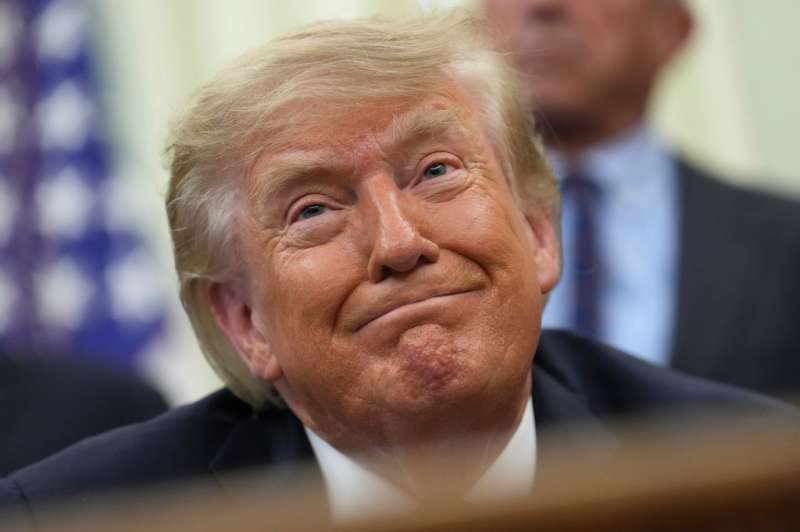
President Donald Trump waded directly into one of Texas’ most bipartisan political fights this week, posting on his Truth Social platform on Monday that communities opposing data center development risk becoming “backwards and poor,” and warning “China could not be happier with this anti Data Center movement.”
“The only reason that communities throughout the USA should not want Data Centers is if they want to end up being backwards and poor,” Trump wrote. “If they want to be successful and rich, with far lower taxes and jobs all over the place, let Data Reign. The good news is that there are plenty of other places that want them. If we kill the Golden Goose, you will only have yourselves to blame.”
The post lands at an awkward moment for Texas Republicans, who have spent the summer racing to distance themselves from an industry that has become deeply unpopular with voters across the political spectrum. A June poll from the Texas Politics Project found a majority of Texans oppose new AI data centers in their area, with opposition rising even among the president’s own base.
Longtime Republican voters in rural Texas are piping mad about the issue, with some even prepared to “break rank” and vote against GOP candidates over it.
Courier Texas has spent months documenting that backlash: Fort Worth’s city council unanimously passed a 90-day moratorium after hours of resident testimony; El Paso residents packed City Hall to fight a tax deal with Meta; and researchers have flagged possible mental health effects from the low-frequency noise some facilities emit. Nationwide, more than 520 groups have asked Congress to pause data center construction altogether.
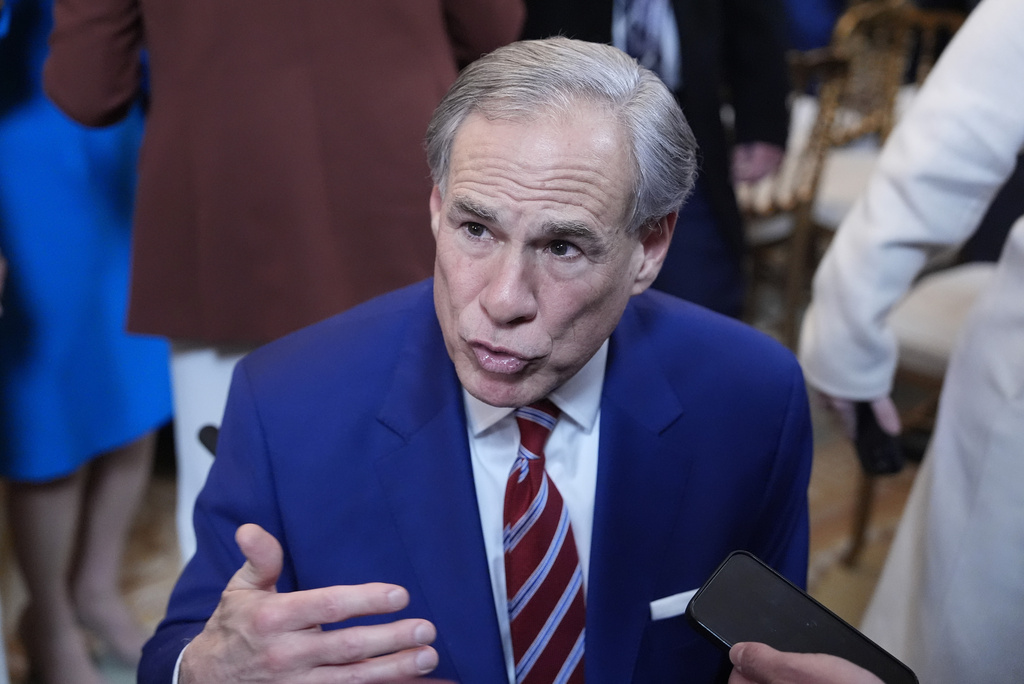
Gov. Greg Abbott—who once called Texas the “epicenter of AI development”—responded to that pressure in early August by directing state regulators to pause new data centers until audits of their power and water usage are complete.
Even some Republicans have dismissed the pause as insufficient. One of them, Texas Agriculture Commissioner Sid Miller, called Abbott’s directive “all hat and no cattle—empty political rhetoric wrapped in meaningless fluff,” and said Texans need “laws with teeth, not another press release designed to make it look like something is being done while hyperscale projects continue moving forward.”
Abbott’s opponent, Democratic gubernatorial nominee Gina Hinojosa, has gone further, accusing Abbott of political theater: “No one buys it,” she said in a statement. “He’s taken millions from data center CEOs while giving Texans lip service to non-existent restrictions.”
Hinojosa has repeatedly called on Abbott to convene a special legislative session—something he’s done many times before for other priorities—arguing only new law, not an executive pause, can permanently restrict data centers. As she put it to CBS, the former simply allows Abbott to “change his mind November 4th,” the day after the election.
Abbott has defended the pause as effective and has not committed to a special session.
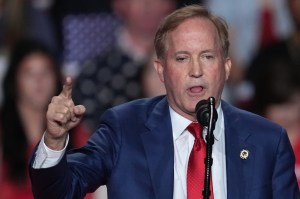
Texas Attorney General Ken Paxton, locked in a competitive US Senate race against Democratic state Rep. James Talarico, went further just days before Trump’s post. On Aug. 24, Paxton unveiled a “Texas First Data Center Plan” that would seek federal legislation barring data centers from using Chinese technology and hold companies “criminally liable” if their facilities power AI chatbots found to endanger children’s safety. Paxton also endorsed Abbott’s state-level pause.
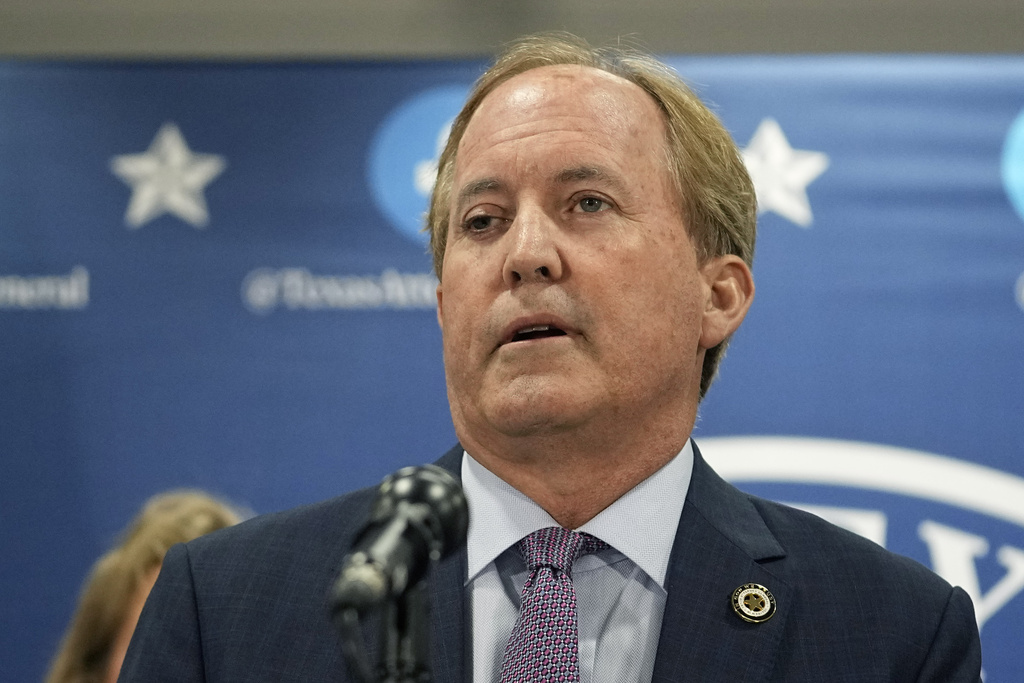
Talarico’s campaign has hit Paxton over the timing, noting his office has gone roughly six months without answering whether counties like Hood County have the authority to block data center projects locally, all while Paxton’s campaign took in close to $500,000 from data center-linked donors.
Trump’s post doesn’t name Abbott or Paxton, but it directly contradicts the framing both have adopted in recent weeks—trading “epicenter of AI development” boosterism for cautious talk of guardrails, audits, and local control. For now, the president’s message and his own party’s posture in Texas are pulling in opposite directions.