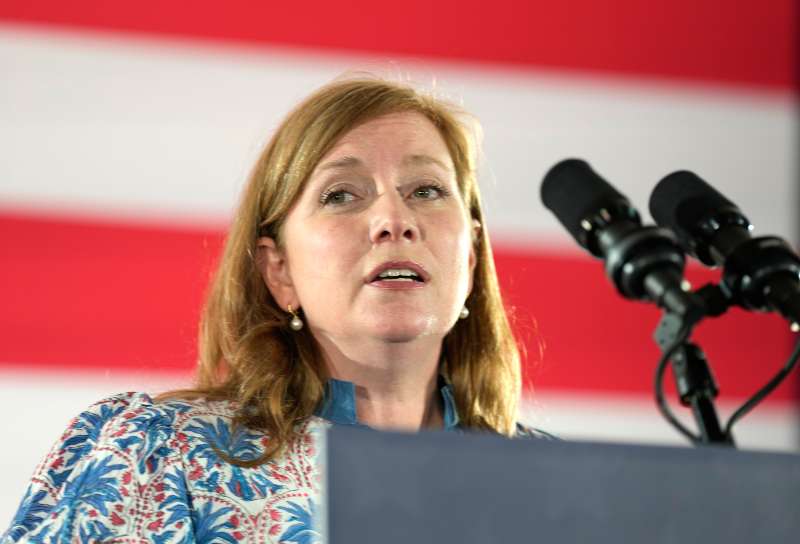
Rep. Lizzie Fletcher (D‑TX‑7) is urging researchers, universities, and nonprofit organizations to speak out against a sweeping federal proposal she says would politicize the nation’s grant‑making system and destabilize long‑term scientific research. The Office of Management and Budget’s (OMB) plan, released May 29, would overhaul how more than 41 federal agencies award and manage grants, shifting key decisions away from expert review panels and toward political appointees.
During a webinar this week with legal and nonprofit leaders, Fletcher said the proposed rule would replace longstanding peer‑review processes that guide scientific and research awards.
“The proposed rule would shift more of that authority to political folks and not scientists or experts,” she said.
Fletcher warned the changes could have far‑reaching consequences for Houston area institutions that rely heavily on federal research dollars, including medical centers, universities, clean‑energy researchers, and NASA related programs.
“A researcher three years into a five‑year study could have federal funding pulled before the work is completed,” she said, calling the proposal a threat to scientific stability and community innovation.
The 400‑plus‑page proposal would also make it easier for agencies to cancel grants already underway, reduce public input on agency‑specific grant policies, and limit how much flexibility agencies have to tailor programs to local needs.
Fletcher said the changes would create “total uncertainty” for organizations that depend on predictable multi‑year funding. “By putting political judgment ahead of scientific expertise and experience, OMB would make federal funding much less predictable and much more political,” she said.
Legal experts from Lawyers for Good Government, who joined Fletcher on the call, said the proposal would reshape nearly every part of the federal financial assistance system. Jillian Blanchard, senior vice president for climate change and environmental justice, said her organization has already worked with more than 800 entities whose grants were “canceled, frozen, or terminated” under earlier administrative actions.
“We have seen firsthand what happens when they attempt to implement the rules they are now proposing to codify,” she said.
Blanchard added the rule would touch programs across health, science, clean energy, education, agriculture and low‑income assistance. She warned the proposal attempts to “direct the way people spend all funds in such a way that turns civil rights on its head,” including provisions that would restrict diversity, equity and inclusion efforts.
Katherine Christopher, a supervising attorney at the organization, said the proposal would “reshape and weaponize how the federal government awards and administers all grants and financial assistance.” She noted the rule would eliminate internal dispute rights for grantees, increase compliance burdens on agencies already facing staffing shortages, and reduce scientific integrity by shifting oversight away from peer review.
The public comment period on the proposal remains open until July 13, and Fletcher urged organizations to submit concerns before the deadline.
“Democracy isn’t just voting in elections in November,” she said. “It’s participating in the process in all kinds of ways, and this is a really important time and opportunity to participate.”
Fletcher said she has already sent a letter to OMB Director Russell Vought opposing the rule and warning of “irreparable damage” to the nation’s leading research institutions. She told attendees her office will continue working with partners in Houston and Washington to push back against the proposal.